
As a seasoned wellness editor, my professional life has been deeply immersed in the intricacies of gut health. Years have been dedicated to interviewing leading gastroenterologists, dissecting countless microbiome studies, and authoring more articles on the digestive tract than I ever anticipated. This extensive research has unequivocally highlighted the profound connection between our digestive system and our overall well-being, impacting everything from skin clarity and mood stability to metabolic function.
Yet, despite this wealth of knowledge, a crucial gap remained: how to effectively interpret my own digestive data. My understanding of my personal gut health was largely anecdotal, based on vague recollections and broad generalizations. I had spent years advocating for the importance of gut health, only to realize I was largely in the dark about my own.
Enter the Kohler Health Dekoda: A Paradigm Shift in Personal Health Monitoring
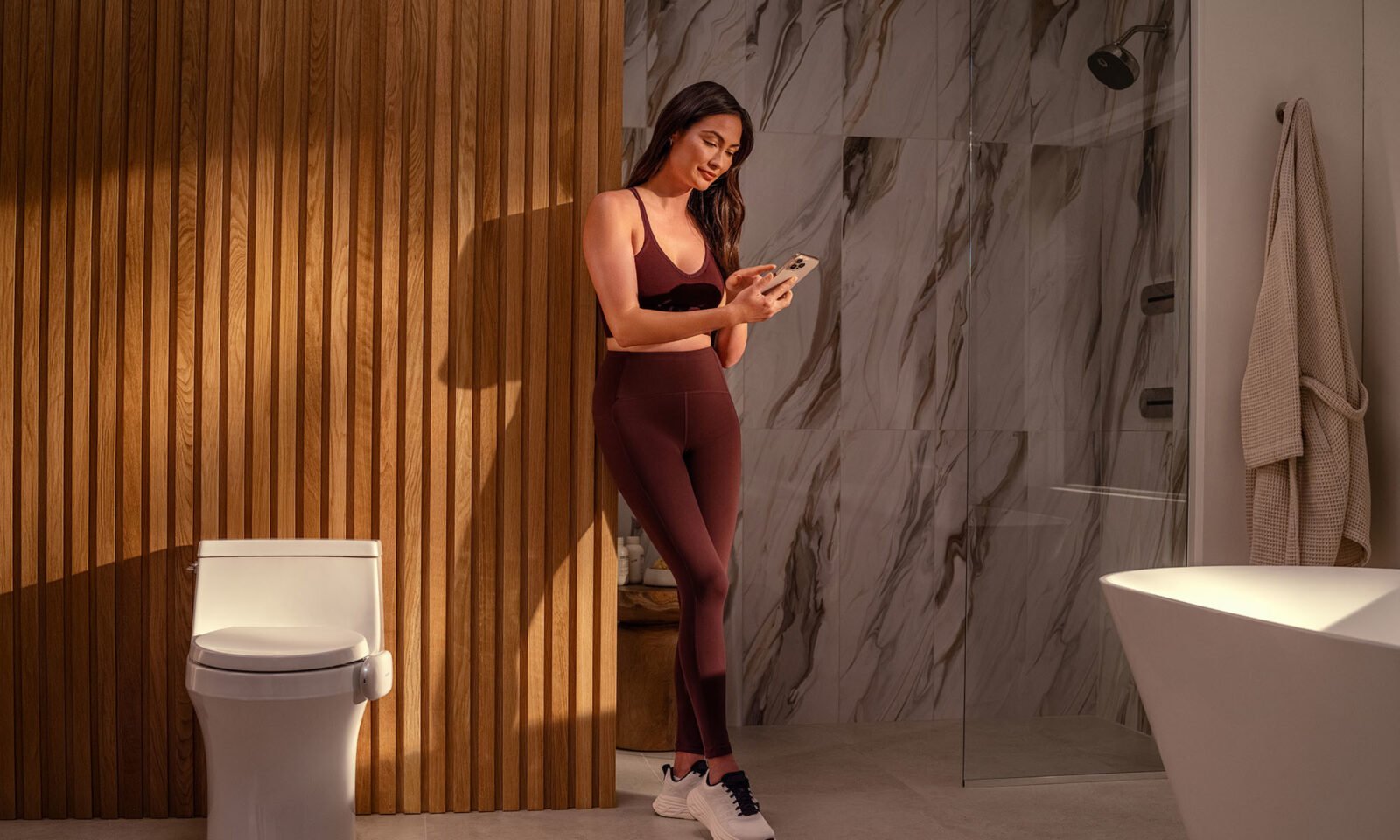
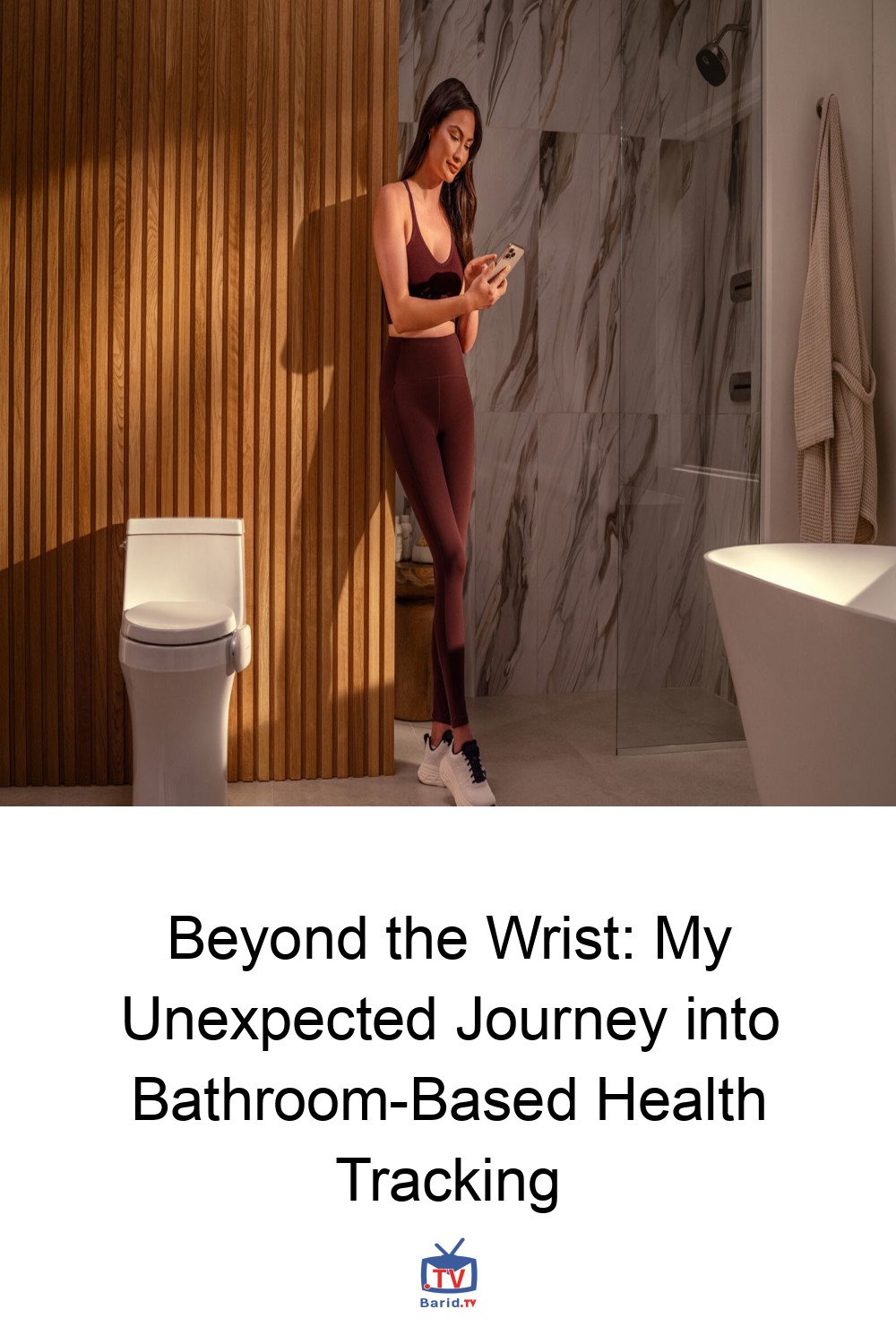
This personal revelation sparked my interest when I learned about Kohler Health’s Dekoda. Billed as a groundbreaking bathroom device, the Dekoda is designed to passively monitor key health indicators: hydration levels, digestive patterns, and long-term bathroom trends. I was eager to discover if this innovative tool could finally provide the objective insights I crapped for.
Why Your Bathroom Habits Hold the Key to Deeper Health Insights
The significance of our digestive patterns extends far beyond mere regularity. They serve as crucial indicators of hydration status, dietary effectiveness, stress levels, potential illness, and the overall impact of our daily routines on our bodies. Indeed, my recent reporting has consistently underscored the intricate web connecting gut health to systemic health.
A brief overview of the science makes its importance undeniable: our gastrointestinal tract is a bustling ecosystem, home to trillions of microbes. These microscopic inhabitants play pivotal roles in digestion, immune function, nutrient absorption, metabolism, and even the complex communication pathways between our brain and the rest of our body. Given this multifaceted influence, the gut is rightly considered a foundational pillar of whole-body health, impacting everything from daily energy and blood sugar regulation to mood resilience.
Despite this critical role, a surprising statistic reveals a widespread oversight: only 6% of Americans actively track their bathroom habits. This is particularly alarming given that most adults experience some form of digestive upset at least once a week. I, too, was among the 94% who, despite my professional understanding, largely ignored these vital daily signals – until now.
My Personal Journey with the Dekoda Tracker: A Skeptic Converted
To be entirely transparent, I am not naturally inclined towards health tracking. My lifestyle eschews the constant monitoring of rings, wristbands, and other wearable gadgets. While I appreciate their potential value and have even experimented with a few, none have ever truly integrated into my routine.
However, my deep-seated understanding of digestive health’s profound impact on overall well-being made it clear: if I were ever to embrace tracking, this was the logical starting point. The Kohler Health Dekoda presented itself as a unique proposition, unlike any tracker I’d encountered.
Discreetly attaching to your toilet, the Dekoda silently gathers critical data on hydration status, bowel movement frequency and consistency, and even the presence of blood. These invaluable insights are then seamlessly transmitted to the Kohler Health App, allowing users to visualize long-term trends and establish a personalized health baseline over time.
The Dekoda’s brilliance lies in its passive nature. It eliminates the need for manual logging or relying on fallible memory, transforming an everyday routine into a source of objective, actionable health information. This data can then be utilized for personal understanding or, crucially, shared with healthcare providers to inform more precise health strategies.
Having evaluated numerous wellness technologies throughout my career, I’ve observed a spectrum of utility – from genuinely transformative devices to those quickly relegated to a forgotten drawer due to excessive user effort. For me, the central question wasn’t about the Dekoda’s ability to collect useful information; I had already reviewed the underlying data, understood its advanced technology, and grasped the scientific principles. The real test was its seamless integration into daily life and its capacity to deliver truly meaningful insights without demanding conscious effort.
For more details, visit our website.
Source: Link