





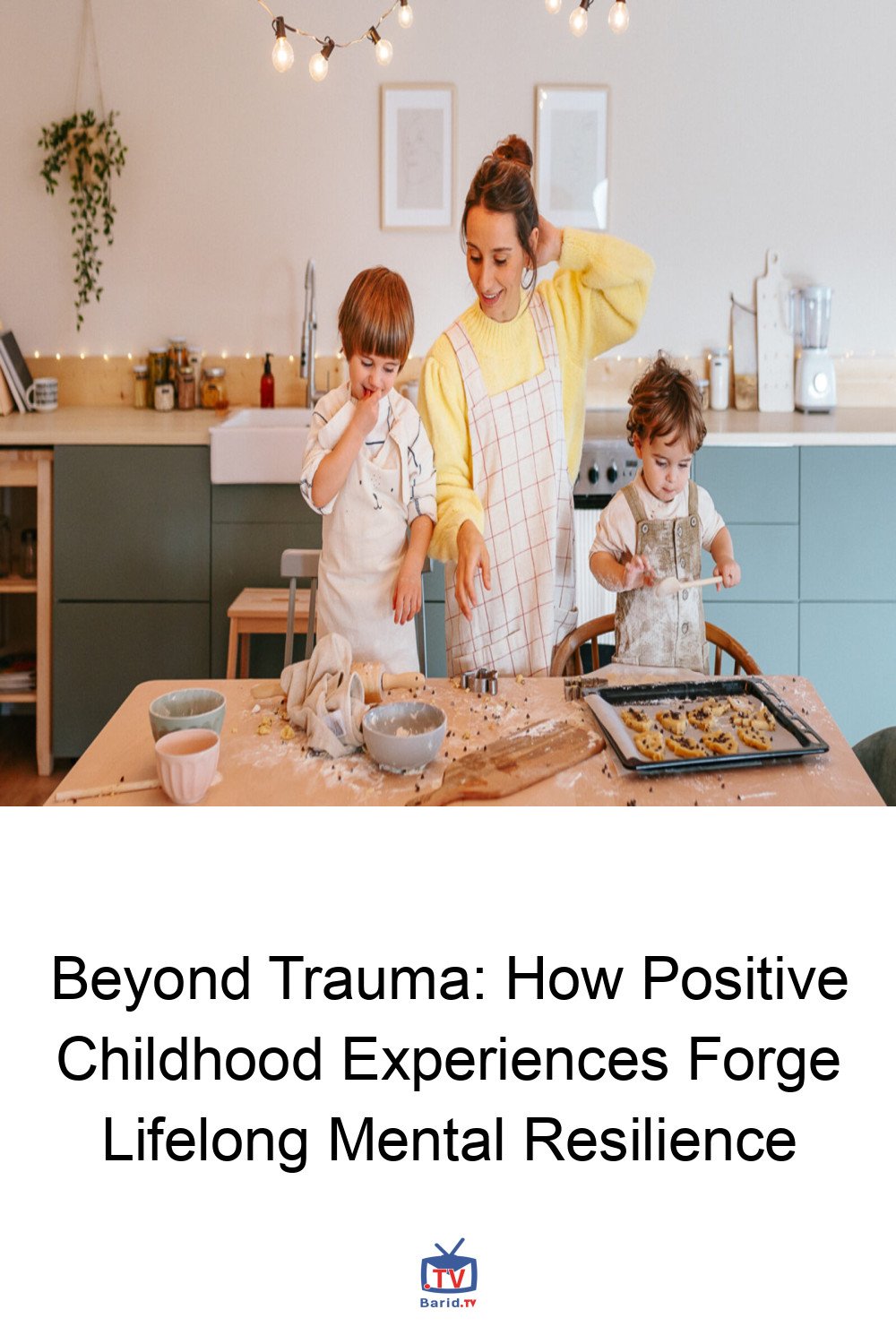
The Enduring Power of Positive Childhood Experiences on Adult Mental Health
The echoes of childhood often resonate throughout our lives, shaping who we become. While much attention is rightly given to the profound impact of adverse childhood experiences, a groundbreaking new study sheds light on a powerful, often overlooked factor: positive childhood experiences. It turns out that the simple joys and supportive bonds forged in youth may be a significant buffer against mental health challenges in adulthood.
Unpacking the Research: A Longitudinal Look at Childhood’s Impact
A comprehensive study tracked 3,499 individuals in England from birth up to the age of 24. Researchers meticulously assessed ten distinct types of positive childhood experiences (PCEs) occurring between ages 0 and 17. These included a spectrum of nurturing interactions and environments:
- Supportive relationships with parents or teachers
- Feeling safe within their neighborhood
- Enjoyment of school
- Having close friendships
- Quality time spent with family and friends
Each participant received a PCE score, ranging from zero to ten, based on the number of these positive experience types they reported. It’s crucial to note that this score reflected the breadth of positive experiences, rather than their frequency or individual perceived significance.
At the age of 24, the same participants were evaluated for common mental health conditions, including depression, generalized anxiety disorder, and psychotic disorders.
The Power of Positivity: A Measurable Reduction in Mental Health Risk
The results were compelling: for every additional point on a participant’s positive childhood experiences score, there was an associated 11% lower likelihood of meeting the criteria for a psychiatric disorder by age 24. This correlation remained significant even after accounting for the presence of childhood trauma, suggesting that positive experiences offer an independent protective effect.
Specific Impacts: Depression and Anxiety
- Depression: The strongest link was observed with depression, where higher PCE scores were associated with a remarkable 16% lower odds of experiencing moderate to severe depression.
- Generalized Anxiety Disorder: Participants with more PCEs also showed a 9% lower probability of developing generalized anxiety disorder.
While the findings for psychotic disorders were less conclusive due to their lower prevalence in the study cohort, the overall trend underscores the profound impact of a supportive upbringing.
Building Resilience: The Long-Term Value of Connection
Why do these positive experiences hold such long-term sway? Supportive relationships are fundamental in helping children cultivate a strong sense of safety, belonging, and self-worth. These foundational elements equip them with vital coping mechanisms and social skills, enabling them to navigate life’s inevitable stresses and forge healthy relationships as they mature.
Interestingly, the study identified three types of PCEs as less common: robust peer support, a strong connection to one’s neighborhood, and genuine enjoyment of school. This highlights potential areas where concerted efforts could yield significant benefits.
Cultivating a Foundation of Well-being: Practical Steps for Parents and Communities
The good news is that fostering positive childhood experiences doesn’t require perfection or elaborate schemes. The focus should be on consistent, meaningful connection in everyday life:
1. Prioritize Honest Conversations and Active Listening
Make space for children to share their day, their concerns, and their triumphs. Listen attentively, take their feelings seriously, and follow through on commitments. This consistency builds trust and helps children feel secure and valued.
2. Facilitate Social Connections and Belonging
Encourage friendships and involvement in activities that genuinely interest them, whether it’s a sports team, an art class, or simply playing with neighborhood friends. If school presents difficulties, engage with them to understand the challenges and help them find appropriate support systems.
For adults reflecting on their own past, exploring concepts like ‘reparenting’ can offer valuable insights into understanding the support they may have lacked and how to provide it for the next generation.
The Enduring Legacy of a Positive Childhood
Ultimately, a childhood doesn’t need to be flawless to leave an indelible positive mark. From the comfort of a trusted adult to the simple joy of a friendship that brightens a difficult day, these experiences collectively build a robust foundation for mental health that extends far beyond the school years, offering lifelong resilience and well-being.
For more details, visit our website.
Source: Link








Leave a comment