



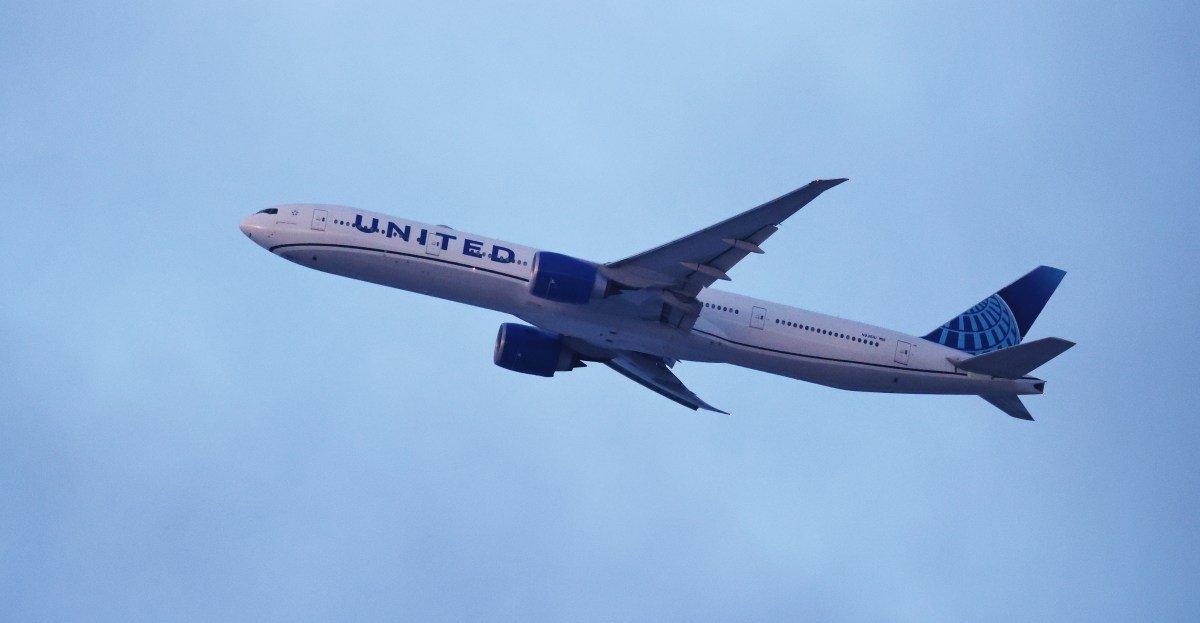

In a move that highlights the growing complexities of integrating artificial intelligence into everyday transactions, United Airlines has announced it will not permit personal AI assistants to book flights on its platform. The decision, revealed by The Wall Street Journal, stems from a confluence of privacy, security, and regulatory concerns, setting a precedent for how traditional industries are grappling with the burgeoning capabilities of AI agents.
Grounding AI: United’s Stance on Automated Bookings
While the airline acknowledges that the widespread use of AI agents for flight bookings is still nascent, mirroring observations from other sectors like food delivery services, United is taking a proactive stance. The core of their apprehension lies in the potential for these agents to compromise customer data, execute unintended purchases, and, crucially, bypass critical federal aviation regulations.
Security First: The Explosives Attestation Hurdle
Perhaps the most significant regulatory roadblock cited by United is the requirement for travelers to attest that their luggage does not contain explosives. An AI agent, by its very nature, cannot fulfill this personal declaration, creating a direct conflict with established safety protocols. This particular concern underscores the unique challenges AI integration poses in highly regulated environments like air travel.
Privacy and Unintended Actions
Beyond security, United expresses significant worries about data privacy. Allowing AI agents direct access to customer accounts for booking could expose sensitive personal information. There’s also the risk of AI agents making purchases or modifications to travel plans without explicit, real-time human oversight, leading to potential financial and logistical headaches for travelers.
A Broader Industry Trend: AI Agents Face Resistance
United is far from alone in its cautious approach to AI agents. Across various sectors, businesses are wrestling with the implications of allowing these automated assistants to transact on their sites. eBay, for instance, has reportedly blocked third-party AI agents from browsing its platform, and several major banks have also imposed restrictions, citing similar concerns about security, data integrity, and accountability. United CEO Scott Kirby succinctly summarized the sentiment, stating, “To be honest, I don’t want to create another middleman.”
The Path Forward: Acknowledging Potential, Prioritizing Protection
Despite the current restrictions, United has indicated a willingness to reconsider its position as AI agent technology evolves. The airline acknowledges the “opportunities they present” but firmly prioritizes traveler protection. “Allowing them to interact directly with a United account or booking could involve sensitive actions, and we want to make sure we have established protections for travelers first,” a United spokesperson elaborated. This suggests that while AI agents can still display United flight information, the actual transaction — the critical point of data exchange and regulatory compliance — remains firmly in human hands for the foreseeable future.
For more details, visit our website.
Source: Link








Leave a comment