



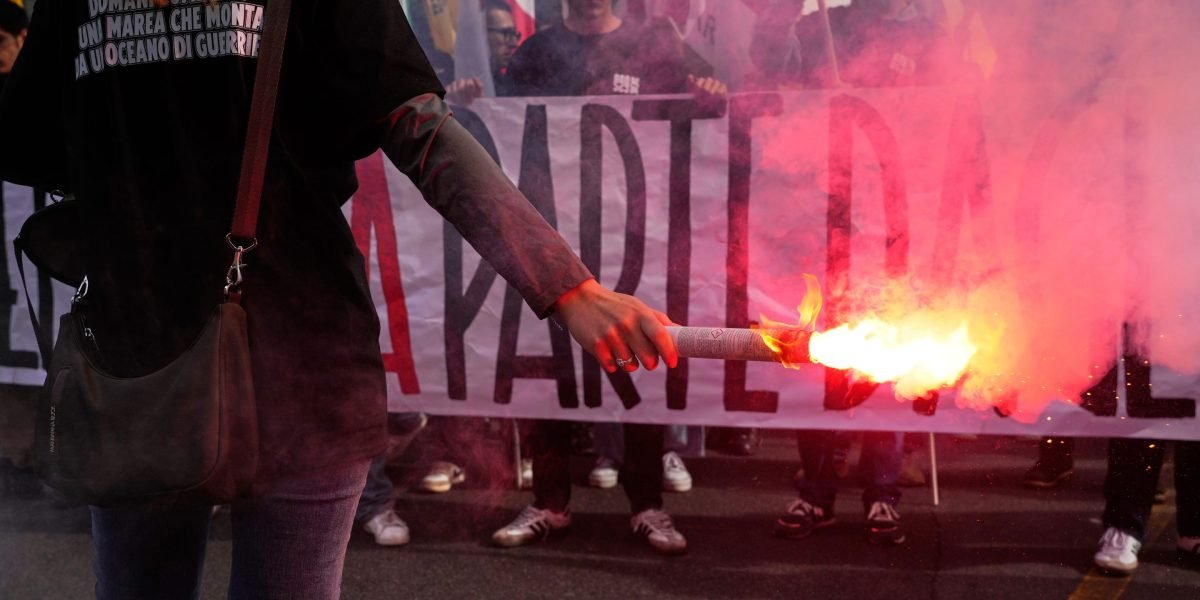

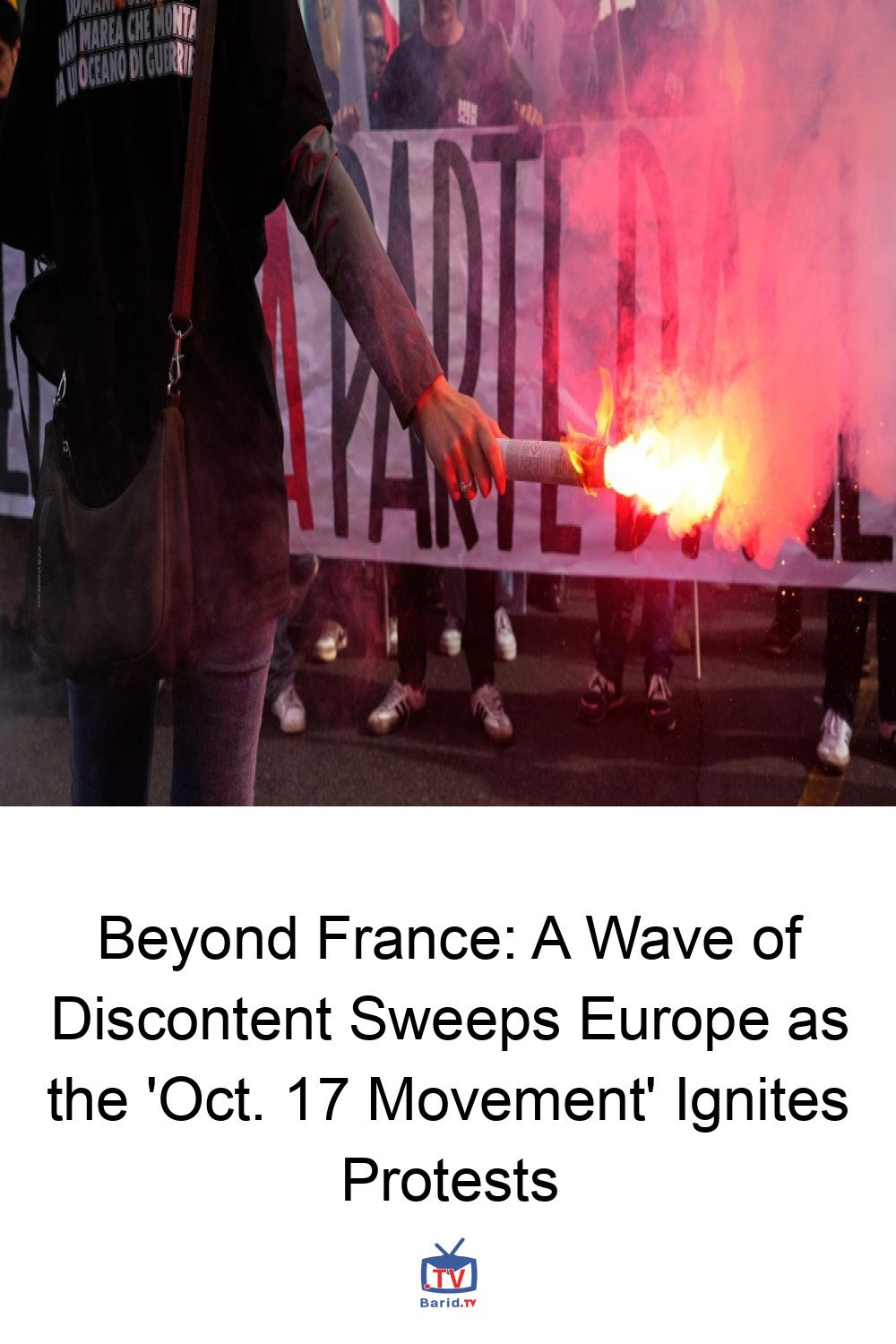
While global headlines have largely fixated on the tumultuous streets of France, a deeper, more widespread wave of civil unrest is sweeping across Europe. From the bustling financial hub of Milan to the historic squares of Tirana, citizens are taking to the streets, unified under the banner of the nascent ‘Oct. 17 Movement’ and other grassroots coalitions. These aren’t isolated incidents but symptoms of a continent grappling with a complex tapestry of grievances, ranging from economic inequality and pension reforms to educational access and governmental corruption.
Milan Under Siege: Italy’s Fashion Capital Braces for Unrest
Italy’s fashion and finance capital, Milan, found itself at the epicenter of this burgeoning discontent, deploying an unprecedented military presence to quell anticipated fresh protests. A week after scenes of looting and violent clashes marred its elegant thoroughfares, the city braced for another Saturday of potential turmoil. Premier Giorgia Meloni’s government responded decisively, dispatching an additional 500 soldiers to augment the already substantial law enforcement contingent of 5,000 personnel. This robust security apparatus, complete with drone surveillance, railway station checks, and online monitoring, aimed to prevent a repeat of the previous weekend’s destruction.
Heightened Security and Pre-emptive Measures
Luxury boutiques, including iconic brands like Omega, Tiffany, and Gucci, hastily boarded up their windows, a stark visual testament to the fear gripping the city’s commercial heart. Last weekend’s rioters had targeted high-value goods like sneakers and athletic wear, smashing their way into stores near the central Duomo square. Authorities, anticipating shifts in protest tactics, extended security measures beyond the city center, acknowledging the protesters’ potential to evade heavily policed areas.
However, the deployment of soldiers sparked debate. While Valter Mazzetti of the Fsp police union acknowledged their immediate reinforcement value, he highlighted their inability to address underlying police staffing shortages. Defense Minister Guido Crosetto further underscored the limitations, noting that troops lacked essential public-order tools like pepper spray or tasers, and were only recently permitted to use plastic restraint ties, and even then, only around train stations.
The Face of Discontent: Youth and Socio-Economic Woes
Milanese police revealed that last week’s violence largely involved approximately 2,000 very young protesters, a significant portion identified as “naturalized, second-generation Italians,” alongside foreign nationals. With 45 arrests, including 34 minors, the demographic raised questions. Milan’s welfare councilor, Lamberto Bertolé, emphasized the need for deeper investigation into the motives, stating, “Many young people increasingly lack a sense of belonging and prospects for the future. Part of our society feels excluded, amid social and economic inequalities.” His words echo a sentiment of profound youth disillusionment, a common thread across many European protest movements.
Rome’s Response: From Luxury Lockdowns to Peaceful Dissent
The ripple effect of unrest was palpable even in the Eternal City. Rome also heightened its security posture, locking down luxury shopping streets and intensifying controls around historical landmarks like the Circus Maximus and Piazza del Popolo. Amidst these precautions, several hundred students staged a peaceful demonstration, keen to differentiate themselves from the destructive elements. Riccardo Ponzio, president of an Italian far-right student association, articulated their stance: “The images from last week were truly something terrible, especially for the young people… who want to study, want to make proposals, and do not accept being represented by those who use issues and needs to devastate entire cities.” Separately, an anti-war march proceeded through central Rome, with organizers urging participants to remain visible and uncovered to prevent infiltration by violent factions.
Albania Erupts: Students Demand Change in Tirana
Far from Italy, in Albania’s capital, Tirana, the streets have been a battleground for over a week. Riot police deployed water cannons against large groups of protesters, who retaliated with rocks, flares, firebombs, and fireworks. With 2,500 officers patrolling, the clashes have been intense, marked by batons and tear gas. The core of the Tirana protests lies with high school and university students demanding lower tuition fees, increased state investment in education, and an end to corruption within the system. Their movement has converged with a broader anti-government call for the resignation of Socialist Prime Minister Edi Rama. A separate opposition-led protest outside the prime minister’s office also escalated into violence, with activists setting fires. Prime Minister Rama, acknowledging the gravity of the situation, indicated his government was preparing a response to the students’ demands.
The ‘Oct. 17 Movement’: A New Banner for European Grievances
These disparate yet interconnected demonstrations across Europe are increasingly finding common ground. The newly formed ‘Oct. 17 Movement’ has emerged as a significant catalyst, alongside student federations, grassroots trade unions, and anti-war coalitions. Its rise signals a potential for greater coordination and solidarity among various protest groups, transcending national borders and specific grievances to articulate a broader dissatisfaction with the status quo.
From Milan to Tirana, and in at least seven other cities beyond Rome, Europe is witnessing a profound expression of public discontent. While the immediate triggers vary — from pension reforms in France to educational corruption in Albania and economic inequality in Italy — the underlying currents of frustration, particularly among the youth, are strikingly similar. The ‘Oct. 17 Movement’ and its allies represent a growing collective voice demanding accountability, equity, and a more secure future, challenging governments across the continent to address the deep-seated issues that fuel this widespread unrest.
For more details, visit our website.
Source: Link




Leave a comment