




A Leadership Crisis Rocks Nvidia
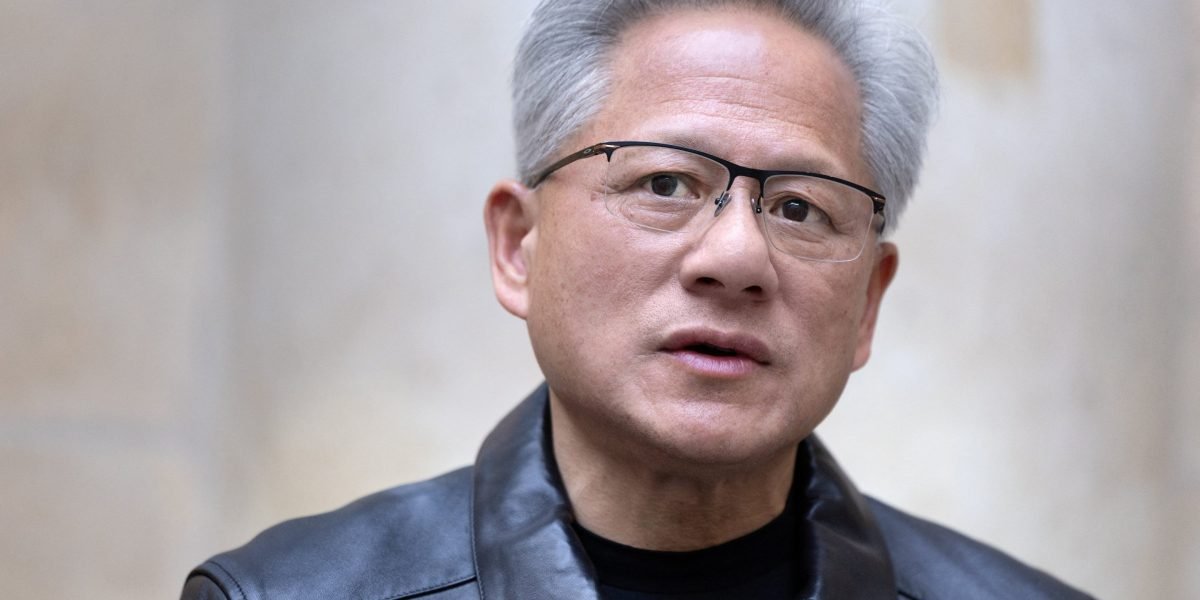
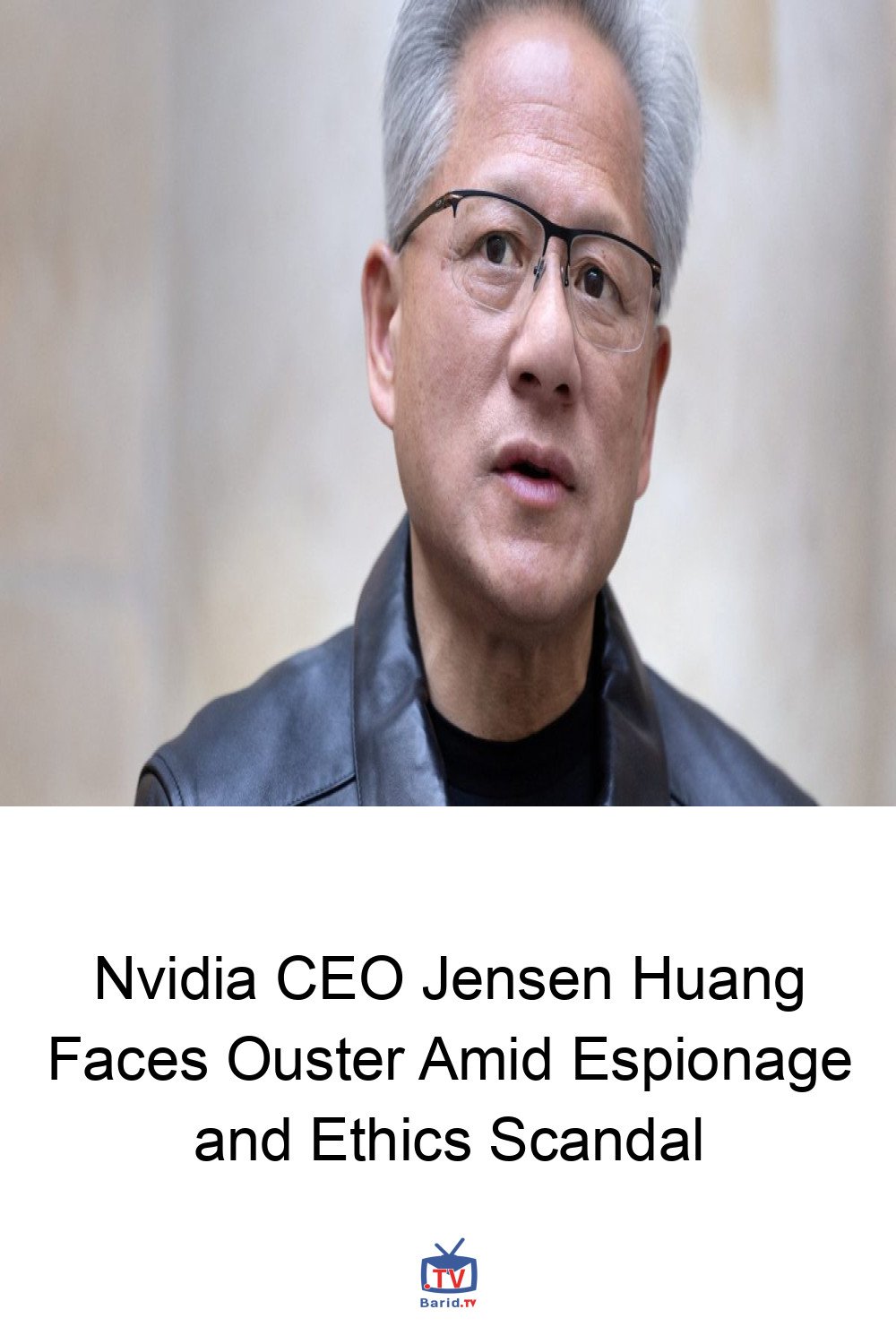
Nvidia, the undisputed titan of the chipmaking industry and a pivotal force in the global artificial intelligence race, finds itself at the precipice of a profound leadership shake-up. Reports indicate that the company’s board of directors is preparing for the potential removal of its long-serving Chief Executive, Jensen Huang. This dramatic development follows Huang’s admission of extramarital affairs, including one with a woman U.S. intelligence officials have identified as a Chinese spy, alongside another with a high-ranking company executive.
Unraveling a Web of Allegations
The Wall Street Journal first brought to light the board’s deliberations, signaling a potentially abrupt end to Huang’s remarkable 33-year tenure as CEO. This decision, if finalized, promises to send reverberations throughout the technology sector and significantly impact America’s strategic positioning in AI development.
Further compounding the gravity of the situation, the New York Times reported an additional extramarital relationship involving Huang, 63, and Kimberly Powell, Nvidia’s Vice President of Healthcare. Powell, a veteran executive with nearly two decades at Nvidia, including a significant role in AI business development and leading the company’s higher education and research initiatives, has not yet commented on the matter. Following these revelations, Nvidia’s shares experienced a notable dip of over 7% in after-hours trading.
The Board’s Investigation and Initial Stance
The saga began to unfold publicly when Huang acknowledged his infidelity on Sunday, prompting Nvidia to initiate an investigation into reports that he had been targeted by a foreign intelligence operation. While the board initially stated it had “no reason to believe that either national security or NVIDIA secrets were compromised,” it committed to a comprehensive inquiry examining “all available information.” The escalating nature of the allegations suggests a more rigorous internal review is now underway.
Huang’s Indispensable Role in Nvidia’s Ascent
Co-founding Nvidia in 1993, Jensen Huang has been the visionary architect behind the company’s extraordinary success, particularly its recent meteoric rise fueled by the AI boom. Under his leadership, Nvidia has posted staggering financial results. For fiscal 2026, ending in January, the company reported revenues of $215.9 billion, a 65% increase year-over-year. This growth accelerated further in the first half of fiscal 2027, with revenues reaching $96 billion, up 85% from the previous year. Nvidia had previously projected third-quarter fiscal 2027 revenue at $108 billion and anticipated a robust 70% revenue growth in fiscal 2028, as stated by CFO Colette Kress.
The Unique Leadership Vacuum and Succession Challenge
Huang’s leadership style is famously centralized, characterized by a unique, flat organizational structure where he personally oversees approximately 60 direct reports. Nvidia’s board operates without a chair, and the company notably lacks a chief operating officer or a clearly defined succession plan. This singular leadership model means Huang’s potential departure presents an unprecedented challenge.
Analysts emphasize that the core succession issue isn’t merely about finding engineers to continue chip development, but about identifying a leader or team capable of inheriting Huang’s unparalleled authority to chart the company’s strategic direction, secure industry commitment, and maintain customer confidence in future ventures. Gil Luria, an analyst with D.A. Davidson & Co., told Fortune that these factors “hasten a transition the company is not prepared for.” Jay Goldberg of Seaport Research Partners highlighted the legal and policy implications, stating that if internal violations occurred, Huang’s position as CEO would be untenable. “Nvidia won’t go away. They’re sold out. It’s all contracted into next year, but it loses a lot of its luster. The chances of making a misstep are higher,” Goldberg added.
Corporate Governance Under Scrutiny
The pressure on Nvidia’s board is immense. Michael Useem, a professor of management at the Wharton School, remarked to Fortune, “Rarely has a board faced this much pressure. This is the board’s moment to shine or fade.” He underscored the importance of proactive succession planning: “If the board had been doing its job, it would already have a slate of possible successors.”
Potential interim CEO candidates include Chief Financial Officer Colette Kress or lead independent director Stephen Neal, chairman emeritus and senior counsel at Cooley LLP. The situation draws parallels to the 2019 ouster of McDonald’s CEO Steve Easterbrook, who was removed for a consensual relationship with an employee and later faced SEC charges for misleading investors about the circumstances of his termination. This precedent highlights the severe consequences of undisclosed relationships and corporate policy breaches, underscoring the critical need for robust corporate governance at Nvidia.
A Pivotal Moment for the AI Giant
The impending decision on Jensen Huang’s future marks a watershed moment for Nvidia and the broader technology landscape. While the company’s technological prowess and market dominance remain undisputed, the leadership vacuum and the ethical questions surrounding its founder threaten to reshape its trajectory in the fiercely competitive and strategically vital realm of artificial intelligence.
For more details, visit our website.
Source: Link





Leave a comment