



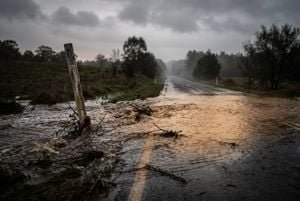

Imagine a serene streambed, a familiar parking lot, or a quiet two-lane road. Now, picture it transforming in mere moments into a raging, churning torrent. This isn’t a scene from a disaster movie; it’s the terrifying reality of a flash flood. Unlike their slower, more predictable riverine counterparts, flash floods offer little to no warning, turning everyday landscapes into deadly traps with breathtaking speed. Understanding this compressed timeline is paramount to grasping the immense danger they pose.
The Silent Fury: What Makes Flash Floods So Deadly?
Speed: The Defining Difference
The core distinction between a flash flood and a typical river flood lies in its onset. While river floods often develop over days, allowing forecasters to issue timely outlooks and residents to prepare, a flash flood erupts within a critical window—generally six hours or less—following intense rainfall or sudden structural failures like dam breaches. This rapid escalation leaves communities with precious minutes, not hours, to react, making escape a desperate race against time.
The Deceptive Power of Moving Water
The visual appearance of floodwaters can be dangerously misleading. A seemingly shallow current, perhaps just a few inches deep, can exert immense force. Moving water is incredibly heavy, pushing with a power far greater than its depth suggests. Just six inches of fast-moving water can knock an adult off their feet, while a mere foot can sweep away most vehicles. Tragically, many flood-related drownings involve drivers who misjudged the passability of a flooded road, rather than individuals caught in deep, open water. The message is clear: “Turn Around, Don’t Drown.”
When Nature and Urbanization Collide
Geography plays a critical role in amplifying flash flood risks. In arid regions, a distant storm, miles away under a clear sky, can send a devastating surge down a dry wash. Cities, with their vast expanses of impervious concrete and asphalt, exacerbate the problem. Paved surfaces shed water almost instantly, overwhelming storm drains and funneling runoff into low-lying streets far faster than drainage systems can cope. Even wildfire-scarred slopes, stripped of vegetation, lose their ability to absorb water, behaving much like pavement and dramatically increasing runoff velocity.
Understanding the Mechanics: How Flash Floods Form
The Role of Intense Rainfall and Terrain
The most common trigger for a flash flood is intense rainfall. When rain falls faster than the ground can absorb it, the excess water becomes surface runoff. This effect is magnified by steep terrain and narrow channels, which act like funnels, concentrating vast volumes of water into a single, rapidly accelerating path. Whether a thunderstorm stalls over one area or a line of storms repeatedly passes over the same ground, the result can be a catastrophic deluge.
Beyond Rain: Structural Failures and Ice Jams
While rain is the primary culprit, flash floods can also be caused by sudden structural failures. A compromised dam or levee can unleash a massive, instantaneous surge downstream, even in areas experiencing no precipitation. Similarly, the sudden breakup of a river ice jam can release a torrent of water that had been pooled behind it, creating an unexpected and dangerous flood event.
Crucial Distinctions: Watches, Warnings, and Preparation
Flash Flood vs. River Flood Alerts
The National Weather Service (NWS) differentiates between flash floods and river floods, issuing separate alerts for each due to their distinct characteristics and response requirements. River Forecast Centers meticulously model river levels, predicting crest times and providing communities with invaluable lead time for sandbagging, road closures, and evacuations. However, flash floods rarely afford such luxuries.
The Race Against Time: Why Minutes Matter
For flash floods, the storm that causes the deluge may still be overhead as the dangerous waters arrive. Unlike river floods, where upstream gauges can track rising levels, flash floods materialize locally and rapidly. This means individuals often have mere minutes to recognize the threat and seek safety. The NWS relies on advanced radar and real-time ground observations, but the sheer speed of these events underscores the critical importance of immediate personal action.
A Changing Climate, A Growing Threat
The intensifying impacts of climate change are making heavy downpours more frequent and severe. A warming atmosphere holds more moisture, leading to more extreme precipitation events. This trend suggests that flash floods, already a formidable hazard, may become an even greater concern in the years to come, demanding increased vigilance and preparedness from communities worldwide.
Stay Safe: Recognizing the Signs and Taking Action
Knowing the conditions that lead to flash floods and understanding the deceptive power of even shallow moving water is your best defense. If you see rapidly rising water, hear a sudden roar, or are under a flash flood watch or warning, seek higher ground immediately. Never attempt to drive or walk through floodwaters. Your life is worth more than any destination.
For more details, visit our website.
Source: Link








Leave a comment