

New Zealand is poised to become the latest nation to draw a firm line in the digital sand, with Prime Minister Christopher Luxon announcing a groundbreaking bill aimed at shielding children under 16 from the pervasive influence of social media platforms and even AI companions. This bold legislative move, introduced to parliament on Monday, signals a growing global consensus on the urgent need to protect younger generations in the virtual realm.
A Landmark Bill for Digital Child Safety
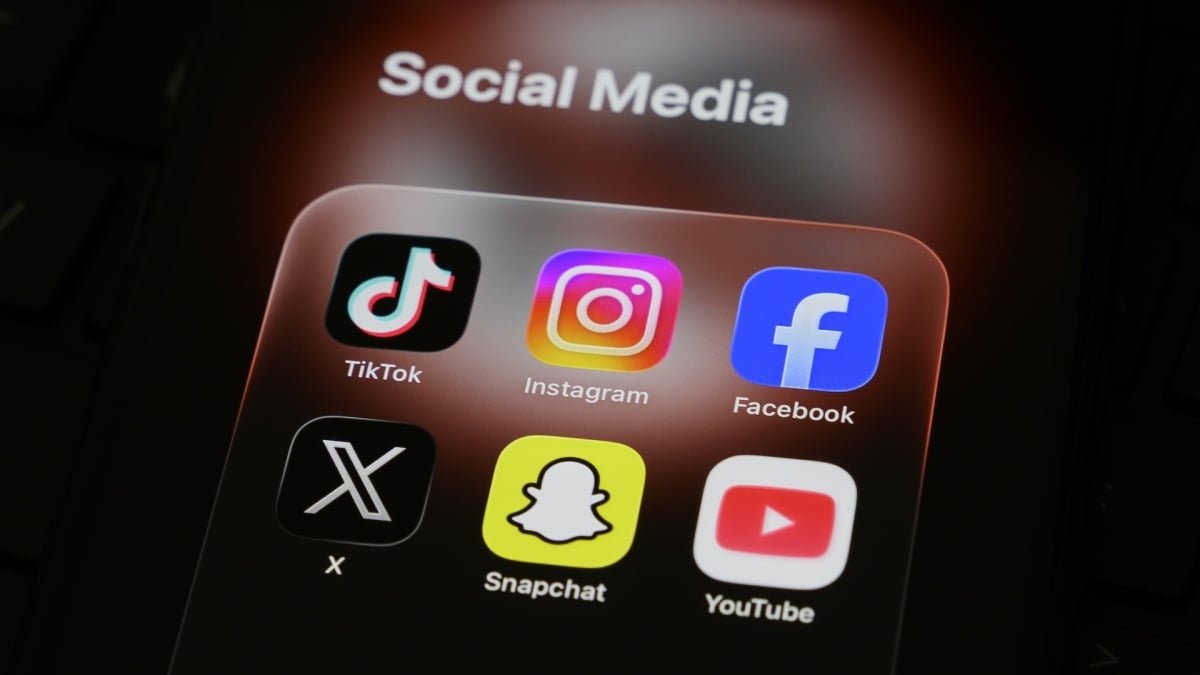
The proposed legislation, officially named the Online Safety (Minimum Age and Child Safety Risk Assessment) Bill, seeks to implement a nationwide ban on social media access for individuals under the age of 16. Platforms like TikTok, Instagram, and Snapchat, alongside emerging AI companion services, would fall under the scope of this new regulation. Prime Minister Luxon underscored the dual responsibility in this endeavor, stating, “Obviously, parents have a role to play in monitoring what social media platform their children are on, but so do social media companies. We have protections to keep children safe in the real world and we need them in the virtual world too.”
Holding Tech Giants Accountable
Beyond simply restricting access, the bill places significant new obligations on technology companies. It mandates “greater responsibilities” for these platforms to actively safeguard children online. Specifically, “high risk” social media companies – a category explicitly naming Instagram, TikTok, Snapchat, and Facebook – will be required to implement “reasonable steps” to ensure robust age verification. This includes leveraging advanced age estimation tools and digital ID services to prevent underage access.
The stakes for non-compliance are substantial. Companies found in violation of the bill’s requirements could face hefty fines of up to $40 million, or 10 percent of their global revenue, whichever is greater. Once approved by parliament, platforms will be granted a six-month window to adapt and comply with the new terms.
The Mechanics of Enforcement and Oversight
The Online Safety Bill is not just about bans and fines; it establishes a comprehensive framework for ongoing protection. Social media companies will be compelled to regularly assess and report on potential risks their platforms pose to users under 18. To oversee this critical mandate, a dedicated online safety regulator will be established within New Zealand’s Department of Internal Affairs, tasked with ensuring the bill’s effective implementation and adherence.
The government’s rationale is clear: “New Zealand’s current regulatory framework does not adequately safeguard children online. While some protections exist, there is no overarching framework that regulates social media platforms or platforms with social AI companions to help protect children from the risk of online harm.”
A Global Trend with Local Impact
New Zealand’s initiative aligns with a growing international movement. Countries such as Australia, the UK, Canada, and Brazil are also exploring or implementing measures to curb the influence of Big Tech on young people. Australia, for instance, has already set a precedent with its own social media ban and subsequent increase in maximum fines for violations. However, these legislative efforts are not without their critics, with concerns frequently raised regarding the efficiency of age verification technologies and their potential impact on digital privacy and free speech.
As the bill progresses through parliament, New Zealand is set to join a vanguard of nations committed to redefining the digital landscape for its youngest citizens, striving to create a safer, more controlled online environment for future generations.
For more details, visit our website.
Source: Link