
In an era increasingly defined by digital landscapes and the search for connection within them, Jane Schoenbrun’s debut feature, We’re All Going to the World’s Fair, stands as a chillingly prescient and deeply intimate horror film. While Schoenbrun’s latest, Teenage Sex and Death at Camp Miasma, garners attention in theaters, it’s the perfect moment to revisit the quiet, unsettling brilliance of their first cinematic venture, a film that captivated audiences at Sundance in 2021 and continues to resonate with its unique blend of dread and vulnerability.
The World’s Fair Challenge: A Digital Descent into the Unknown
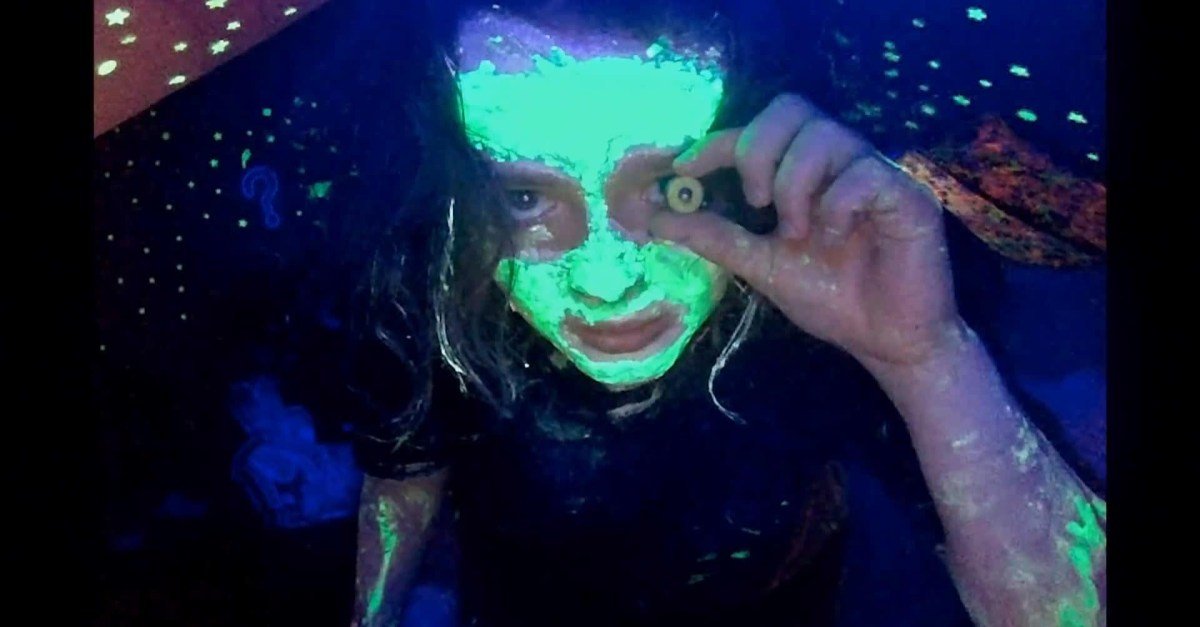
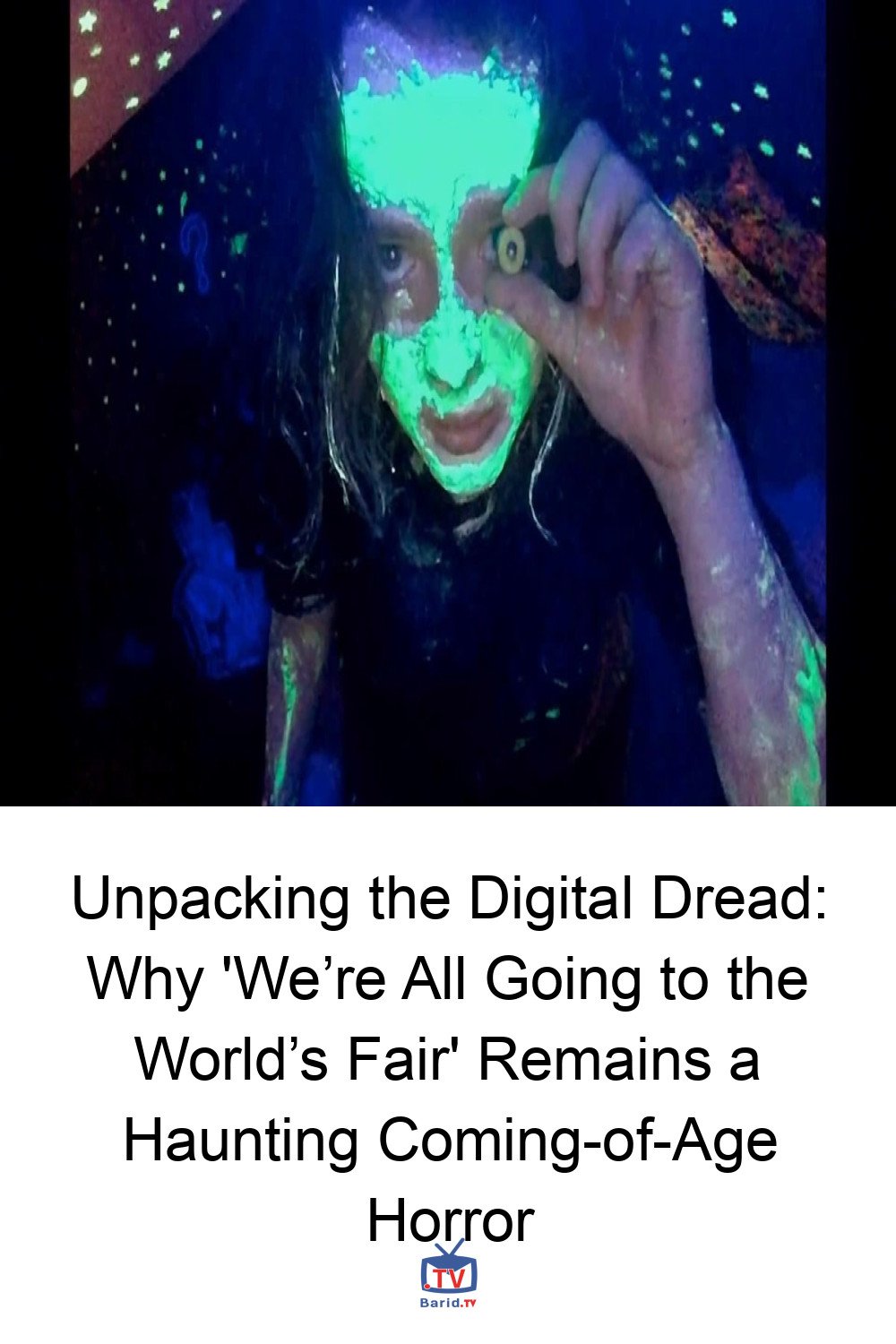
The film immediately plunges us into the solitary world of Casey, its young protagonist, as she embarks on the “World’s Fair Challenge.” This isn’t your typical internet dare; it’s a meticulously crafted blend of ARG (Alternate Reality Game), creepypasta lore, and a dash of the viral “ice bucket challenge.” The ritual involves a cryptic mantra, a disturbing act of self-bloodletting, and the recording of a mysterious video – a rapid-fire sequence of horror tropes, yet delivered with an unnerving intimacy. Casey, alone in her room, stares directly into her webcam, her gaze both defiant and vulnerable, creating an immediate, visceral sense of unease. The moment she repeatedly jabs herself with a pin to draw blood is genuinely shocking, a stark introduction to the film’s commitment to discomfort.
Symptoms of a Digital Affliction
The premise suggests that participants in the challenge will undergo a nebulous transformation, reporting their “symptoms” online. These range from fantastical claims of turning into plastic to their internal organs becoming Tetris pieces. This “game” element, where the line between reality and online performance blurs, forms the unsettling backbone of the narrative, highlighting the malleable nature of identity and experience in the digital realm.
A Coming-of-Age Story for the Online Generation
At its core, We’re All Going to the World’s Fair is a profound coming-of-age narrative, albeit one steeped in profound loneliness. Casey is a figure of isolation, never shown interacting with peers. Her father’s presence is limited to disembodied shouts, further emphasizing her solitude. Her desperate quest for connection manifests in the videos she uploads, documenting the “changes” she experiences post-challenge, a fragile attempt to find belonging in an overwhelmingly online world.
Subverting Traditional Tropes
Crucially, Schoenbrun’s film deviates sharply from many coming-of-age narratives. It deliberately sidesteps any focus on Casey’s sexual awakening, refusing to sexualize its young protagonist. Instead, it zeroes in on a different, often overlooked aspect of adolescence: the yearning for community and understanding in an increasingly digital, often alienating, landscape.
The Unsettling Gaze of JLB
The film introduces JLB, a solitary middle-aged man who becomes fixated on Casey, claiming she is in peril. This relationship adds a potent layer of disquiet. The film already masterfully blends horror elements with uncomfortably intimate glimpses into a young girl’s life, and JLB’s presence amplifies this voyeuristic quality. While never explicitly stated, the implication of JLB’s attempts to groom the vulnerable Casey hangs heavy, contributing to the film’s pervasive sense of dread without resorting to overt exposition.
Masterful Ambiguity and Innovative Body Horror
We’re All Going to the World’s Fair thrives in its uncomfortable ambiguity, a quality that elevates it beyond conventional horror. It may not possess the surreal grandeur of I Saw the TV Glow or the overt camp of Camp Miasma, but its strength lies in its originality. It’s a rare indie gem that recontextualizes body horror tropes, using them not for cheap scares, but to explore themes of identity, transformation, and the psychological impact of digital existence in fresh and compelling ways.
For those ready to delve into a truly unique and thought-provoking horror experience, We’re All Going to the World’s Fair is available to stream on Criterion Channel, Kanopy, and Hoopla.
For more details, visit our website.
Source: Link