



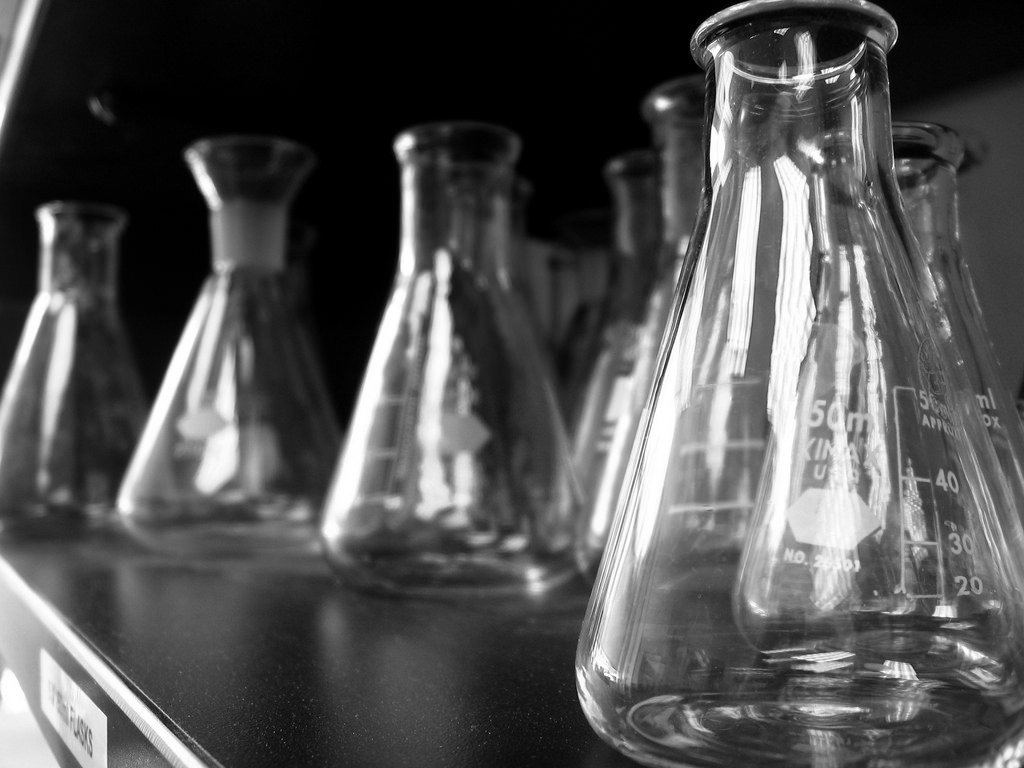

In a move poised to revolutionize pharmaceutical research, Kevin Weil, formerly a pivotal science lead at OpenAI, has unveiled Warp Sciences – an ambitious AI startup dedicated to automating the labor-intensive processes of wet labs. This groundbreaking venture aims to dramatically accelerate drug discovery by deploying intelligent robots capable of round-the-clock operation, marking a significant shift in how new life-saving compounds are identified and tested.
A New Era for Drug Discovery: Warp Sciences Emerges
The traditional path of drug discovery is often fraught with bottlenecks, relying heavily on manual, repetitive tasks that can be slow and prone to human error. For years, biotech firms have frequently outsourced the synthesis of countless molecular variations to overseas contractors, a practice that, while cost-effective, introduces geopolitical supply-chain vulnerabilities. Warp Sciences, under Weil’s leadership, is set to disrupt this paradigm by bringing these critical operations back home, leveraging cutting-edge artificial intelligence and robotics.
The Visionary Behind the Automation
Kevin Weil, whose background at OpenAI speaks volumes about his expertise in advanced AI, is steering Warp Sciences with a clear mission: to create a fully automated ecosystem for lab work. The startup’s core innovation lies in its ability to train robots to execute complex lab tasks, from synthesizing compounds to rigorous testing. This automation promises not only increased efficiency but also a level of precision and scalability previously unattainable.
Fueling the Future: Significant Investment
The vision of Warp Sciences has already attracted substantial backing, with the company announcing a staggering $215 million in funding, valuing the startup at an impressive $865 million. This robust investment round was spearheaded by Lightspeed, with crucial participation from IVP, Premji Invest, and Lux Capital. Such significant financial endorsement underscores the industry’s confidence in Weil’s strategic direction and the transformative potential of Warp Sciences’ technology.
Reshoring Innovation: Mitigating Global Risks
A key driver behind Warp Sciences’ strategy is the desire to “reshore” critical drug development processes. By automating lab work domestically, Weil aims to insulate the entire drug discovery pipeline from the geopolitical and logistical complexities associated with international outsourcing, exemplified by reliance on firms like WuXi AppTec in China. This strategic move enhances national security in healthcare and ensures greater control over intellectual property and supply chains.
The Human-Robot Synergy in the Lab
Far from replacing human expertise, Warp Sciences envisions a collaborative environment where human chemists play a crucial role in training their robotic counterparts. Equipped with advanced cameras and sensor gloves, human operators will guide robots through various lab protocols, imbuing them with the necessary skills to perform intricate tasks autonomously. This synergistic approach combines human ingenuity with robotic endurance and precision.
Accelerating Breakthroughs, Around the Clock
The ultimate goal of automating wet-lab work is to dramatically accelerate the pace of drug discovery. Robots, unlike their human counterparts, can operate continuously, 24 hours a day, seven days a week, without fatigue or the need for breaks. This relentless pursuit of promising compounds means that the journey from initial research to potential new therapies can be significantly shortened, bringing vital medicines to patients faster than ever before.
For more details, visit our website.
Source: Link





Leave a comment