





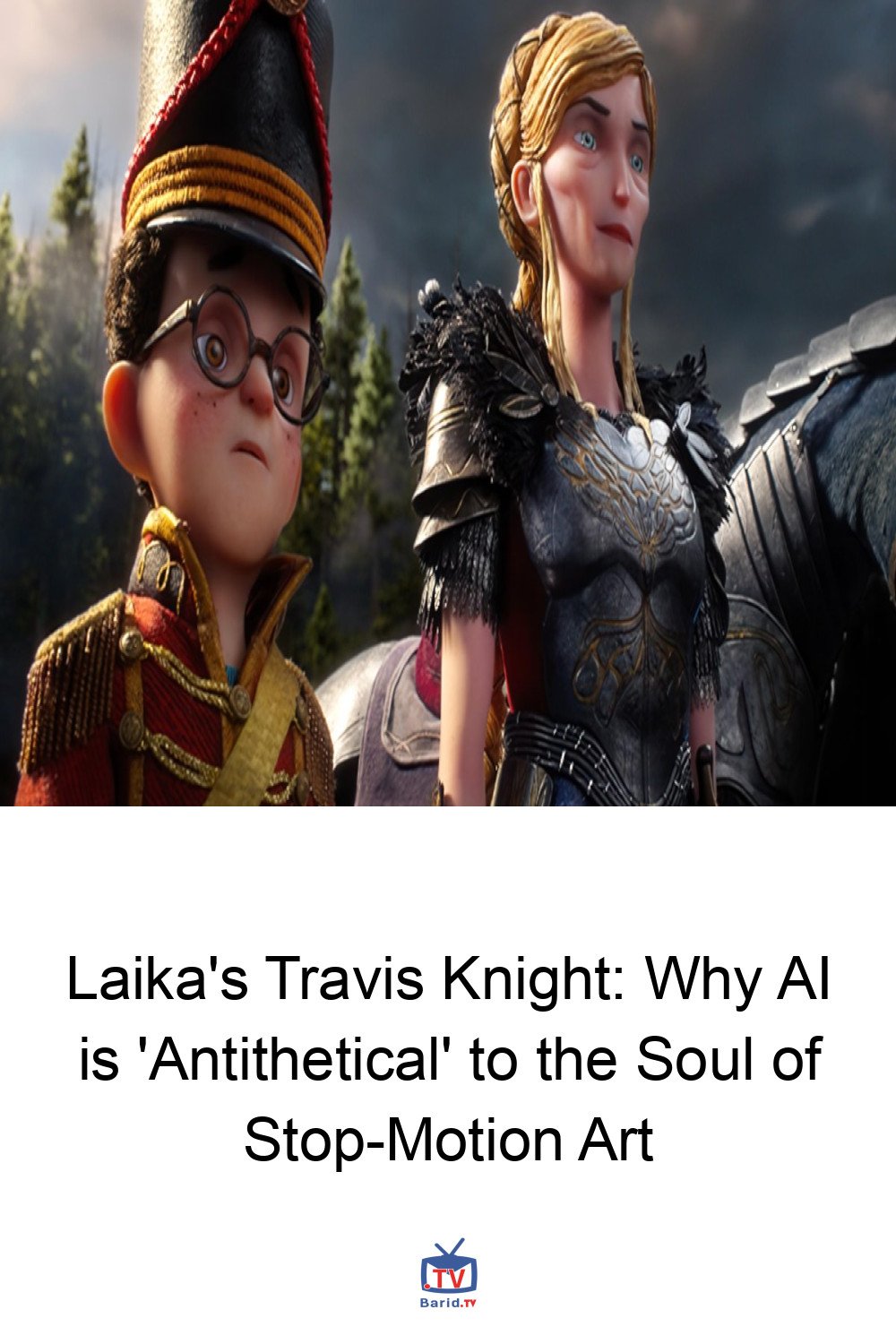
In an era increasingly dominated by the rapid advancements of artificial intelligence, a venerable bastion of handcrafted artistry stands firm. Laika, the acclaimed stop-motion animation studio behind cinematic gems like Coraline and ParaNorman, is once again pushing the boundaries of its craft with its most ambitious project to date: Wildwood. Yet, as the film prepares for its October 23rd premiere, Laika CEO and Wildwood director Travis Knight has emerged as a prominent voice against generative AI, declaring it “antithetical to everything that we are at this studio.”
The Unparalleled Craft of Laika’s Wildwood
Wildwood is a testament to the meticulous, human-centric approach that defines Laika. This sprawling fantasy adventure, five years in the making, involved an astounding 230 puppets – 36 dedicated solely to the main character, Prue – brought to life by a dedicated team of 49 animators. In total, over 1,000 artists contributed their skills to the film. This painstaking process, where every frame is a deliberate act of human creation, stands in stark contrast to the promise of instant generation offered by AI tools.
Knight emphasizes that Laika is not anti-technology. In fact, Wildwood showcases significant technical innovations, from puppets equipped with diaphragms for realistic breathing to advanced musculature and flexible materials for clothing and fur. “We use technology, we use computers,” Knight explains. “A pencil is technology, a paintbrush is technology, a 3D printer is technology, a computer workstation is technology. But all of these things have meaning and value when you put them in the hands of an artist.”
AI: A Threat to Artistic Humanity
The distinction, for Knight, is crucial. He draws a clear line between technology that serves as a tool for the artist and generative AI that aims to replace the artist. “When the technology is doing the work of the artist, that’s a different proposition,” he asserts. “And that’s something that I am steadfastly against, because there is no humanity in what comes out of the other side of that.”
The Soul of Storytelling
Knight’s most profound objection lies in the perceived soullessness of AI-generated content. He argues that when AI ingests and regurgitates human-created material, it lacks the essential spirit and humanity that defines true art. “That’s theft,” he states unequivocally. For him, stories about universal human experiences – loss, grief, love, heartbreak – must originate from a human being who has lived and felt these emotions. “A computer has never fallen in love. A computer has never lost someone… Only a person has done that. And so only a person can speak to what that experience is and what that feels like.”
Navigating the AI Landscape: Hope and Fear
While AI-generated films may still be in their nascent stages, the technology’s influence is undeniably permeating Hollywood, from digital replicas of actors to studios training AI on their vast content libraries. This makes Laika’s unwavering commitment to its handmade ethos all the more distinctive.
Knight clarifies that his apprehension isn’t a blanket rejection of AI. He acknowledges its “extraordinary” potential, particularly in fields like medicine and science, where it could “benefit humanity tremendously.” However, he remains deeply wary of its application in the arts and the broader societal implications.
The Imperative of Responsible Stewardship
“There’s a world in which these things can benefit humanity tremendously. And then there’s a world where they can be devastating,” Knight observes. His hope for the former is tempered by a realistic assessment of human nature. “It requires people to be good stewards of this technology. As a group of humans we have not shown generally that we’re good at that.” Yet, ever the optimist, he hopes for collective wisdom to harness AI responsibly and push back against its dangers, especially when it threatens the very essence of human creativity.
As Wildwood prepares to enchant audiences with its meticulously crafted world, Travis Knight’s impassioned defense of human artistry serves as a powerful reminder of the irreplaceable value of the human touch in an increasingly automated world.
For more details, visit our website.
Source: Link






Leave a comment