




The 3D Renaissance: Why Next-Gen Tech is Making Movies Pop Again
For years, 3D cinema felt like a fleeting gimmick, an expensive add-on that often delivered more headaches than immersion. But what if the technology simply wasn’t ready? More than 15 years after James Cameron’s Avatar
first hinted at the potential of three-dimensional storytelling, a quiet revolution is underway. Thanks to a new generation of video glasses and virtual reality headsets, 3D movies are not just worth watching – they’re breathtakingly good.
As a seasoned tech enthusiast, I found myself suddenly scouring for every 3D Blu-ray I could find, a stark contrast to the widespread dismissal of 3D as one of the biggest tech flops in history. The reason? The arrival of personal video glasses and advanced VR platforms has finally unlocked the immersive experience we’ve always craved.
Beyond the Cinema Gimmick: The Evolution of 3D Viewing
Traditional 3D cinema, while occasionally impressive, was fraught with compromises. Walking into a theatre with those familiar polarized glasses meant sacrificing half the resolution and roughly half the brightness. The technology had to split a single reflected image between two eyes, inherently diminishing the visual quality. Other methods, like active shutter glasses, often introduced flicker or further reduced refresh rates. Whether it was the Nintendo 3DS or early home theatre setups, the common thread was a significant trade-off in clarity or comfort.
A Screen for Each Eye: The Game Changer
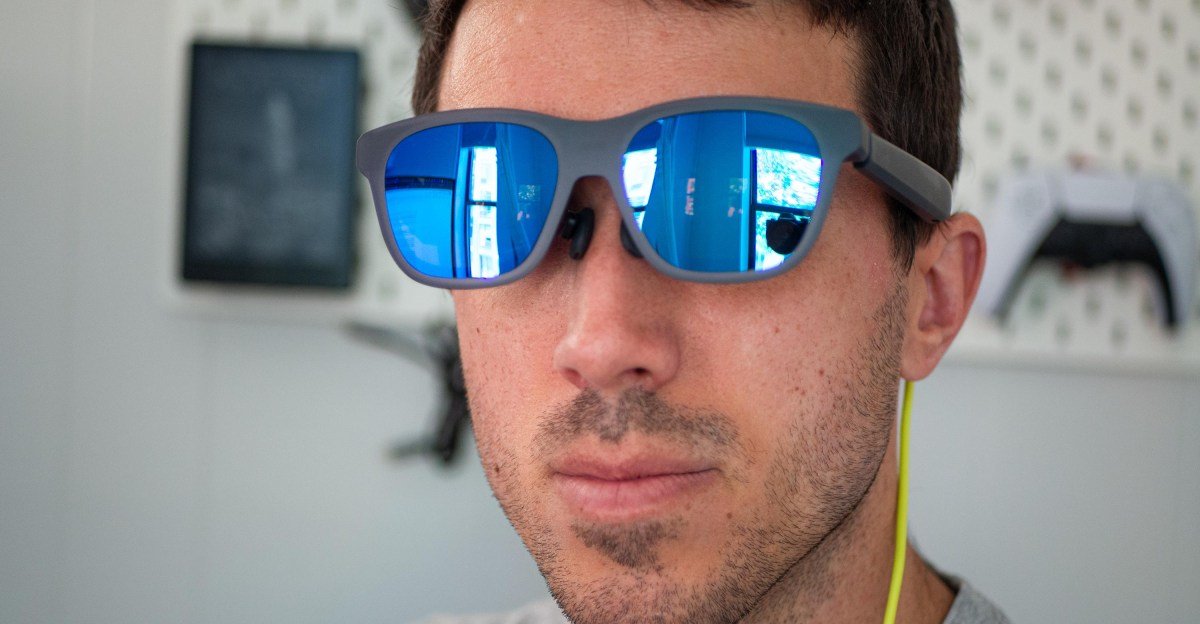
The paradigm shift comes with devices that offer a dedicated, full-resolution screen for each eye. This is precisely what modern video glasses and VR headsets provide. Take the Xreal One Pro glasses, for instance. While primarily designed for a gigantic, private flat screen experience, they can be toggled to deliver independent left and right views for side-by-side (SBS 3D) content. The result? A pristine 1080p view for each eye, eliminating the compromises of old.
Standalone VR headsets like the Meta Quest, Steam Frame, and Apple Vision Pro further amplify this revolution. These devices not only support SBS 3D content through popular video player apps but also offer native streaming of 3D films, ushering in an era of unparalleled visual fidelity.
A New Dimension of Immersion: What It Feels Like
The difference is profound. Scenes that once felt flat now possess an incredible sense of depth and presence. The ocean parting for Moana is no longer a two-dimensional wall of water; it’s a living, breathing chunk of the sea, teeming with life. The CG Lego bricks in The Lego Movie transform from realistic renderings into an entire diorama you feel you could step into. In Avatar, the holographic displays in the ops room become truly mind-blowing, revealing intricate 3D layers even within seemingly flat monitors.
Transparent elements, such as the helmets in Gravity, the cockpits in Pacific Rim, or the lightcycles in Tron: Legacy, are particularly stunning. You discern distinct details on faces inside, structures outside, and even the subtle imperfections like water beads or scratches on the glass itself, complete with reflections of the surrounding world. The convoy battles in Mad Max: Fury Road gain a visceral new intensity, placing you squarely in the chaos.
Beyond Blockbusters: Concerts and Documentaries in Depth
The impact of this revitalized 3D extends far beyond action blockbusters. James Cameron’s Billie Eilish concert film, shot with 16 twin cameras, offered an incredibly intimate experience in the Meta VR Glasses, bringing the viewer closer to the performance than ever before. Similarly, an interactive nature documentary like Galapagos: The Last Eden
, viewed through devices like the Google / Xreal Aura, reveals the fuzzy depth of a baby seal’s fur and the individual grains of sand with captivating realism.
This newfound depth allows for a more profound connection with characters and environments. You feel you could almost reach out and touch a character’s face, perceiving their emotions, wrinkles, and scars with startling vividness. Werner Herzog’s cult-classic 3D documentary, Cave of Forgotten Dreams, beautifully illustrates this. It reveals how the world’s oldest surviving art, the 32,000-year-old Chauvet-Pont D’Arc cave paintings, were never truly flat. As Herzog explained, “A bulging rock is now a bulging neck of a bison that attacks you,” bringing ancient art to life through its original three-dimensional canvas.
Revisiting Favorites with Fresh Eyes
My own experience with Gravity exemplifies this transformation. What began as a brief test late one night in bed turned into an engrossing full-film viewing. It’s akin to discovering high-fidelity audio for the first time – you never knew what you were missing, and now you want to revisit all your favorites to experience them anew. While not all 3D content is created equal, the technological leap means that for the first time in decades, 3D movies are not just a novelty, but a genuinely enhanced and deeply immersive way to experience storytelling.
For more details, visit our website.
Source: Link






Leave a comment