




Unprecedented Air Travel Paralysis: A System Upgrade Gone Awry
The skies above the United States fell eerily silent following a nationwide ground stop, an event that marked the longest halt in flight departures to U.S. airports since the tragic events of 9/11. This monumental disruption, which left hundreds of thousands of travelers stranded and sent ripples of chaos through the aviation industry, has been attributed to a critical update within a telecommunications system managed by contractor L3Harris Technologies.
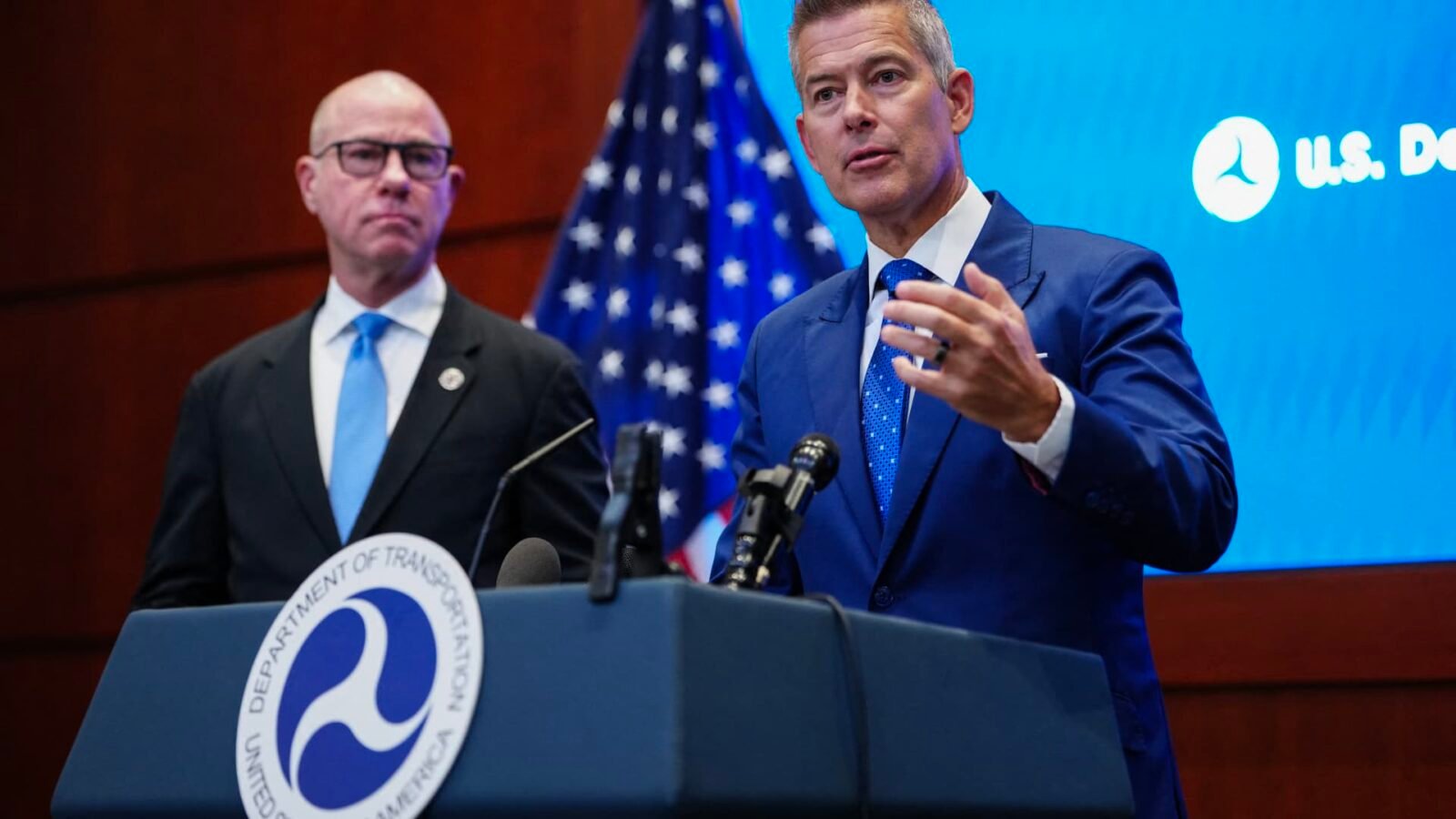
Transportation Secretary Sean Duffy confirmed the cause, revealing that the problem stemmed from updates to an older communication system. While Federal Aviation Administration (FAA) head Bryan Bedford swiftly dismissed any notions of “nefarious” intent or involvement of artificial intelligence, the incident has undeniably cast a harsh spotlight on the vulnerabilities of the nation’s vital air traffic control infrastructure.
The Technical Glitch: A Router’s Overload
L3Harris’s Modernization Effort Meets Unexpected Turbulence
The core of the issue lay in ongoing modernization work, specifically the transition from an antiquated copper wire system to a more advanced fiber-optic network. During this upgrade, at “at least” one remote location, a router experienced a catastrophic failure. Secretary Duffy explained that this rogue router “flooded” other routers within the air traffic control system with an overwhelming surge of over 1,000 connection attempts every five seconds. This digital deluge crippled airplane communications and radar feeds, creating an untenable situation for air traffic controllers.
L3Harris Technologies, which states it has completed over 70% of the copper-to-fiber switch, has pledged full cooperation with the FAA’s investigation to understand the precise conditions that led to the November 13 ground stop.
Widespread Disruption and Lingering Effects
Thousands Stranded, Schedules Shattered
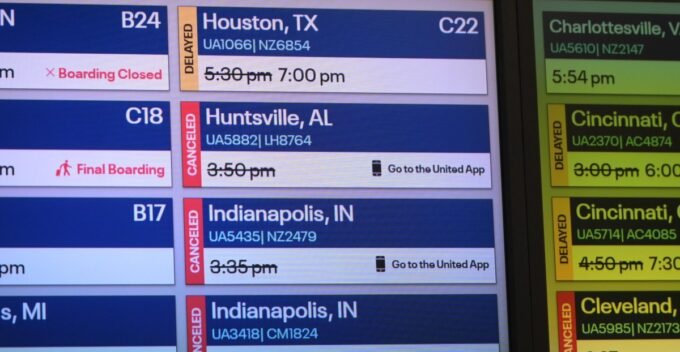
The immediate aftermath of the ground stop was a logistical nightmare. Flight disruptions extended well into the weekend, with nearly 6,500 U.S. flights canceled and over 8,000 delayed on Saturday alone. This followed a staggering Friday, which saw more than 9,000 U.S. flight cancellations—approximately a third of the day’s scheduled flights—and over 7,000 delays. The impact was so severe that even college football games were postponed, and professional sports teams were forced to scramble for alternative travel arrangements.
The ground stop created a cascading effect, forcing many planes to divert to alternate airports and leaving dozens of aircraft parked with limited gate space as flights were unable to depart. The aviation industry, still reeling from previous challenges, faced immense pressure to untangle the mess and reposition aircraft and crews.
A Recurring Theme: The Call for Infrastructure Modernization
This incident forcefully reiterates concerns about the aging infrastructure that underpins U.S. air traffic control. Operating the world’s busiest airspace with a system that struggles to keep pace with technological advancements presents a significant challenge. Secretary Duffy seized the moment to advocate for billions more in funding from lawmakers, emphasizing the urgent need to modernize the entire system.
FAA Administrator Bryan Bedford clarified that no FAA facilities went dark, but the decision to ground flights was made due to “instability” in information feeds to air traffic control centers. “We were unwilling to take any risk that this propagation could actually result in a center losing connectivity with aircraft,” Bedford stated, highlighting the critical safety concerns that necessitated the drastic measure.
Airlines Scramble for Recovery and Crew Incentives
As the industry worked to recover, airlines deployed every available spare plane and crew member to get travelers and employees to their destinations, particularly with the looming Thanksgiving holiday period. To incentivize staff, major carriers like American Airlines, Delta Air Lines, and United Airlines offered flight attendants and pilots extra pay, with some even providing double pay and confirmed seats on flights to ensure crews could get into position.
The incident serves as a stark reminder of the delicate balance required to maintain the efficiency and safety of modern air travel, and the critical importance of robust, up-to-date technological infrastructure.
For more details, visit our website.
Source: Link






Leave a comment