



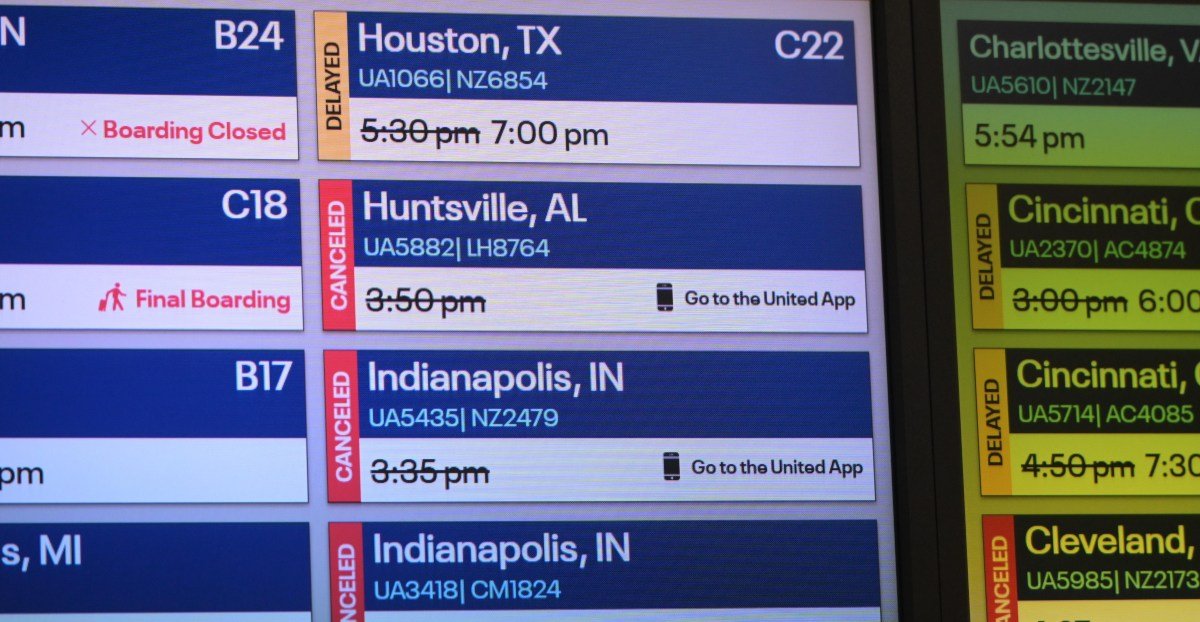

Nationwide Air Chaos: How a ‘Routine’ Fiber Optic Upgrade Grounded Thousands of Flights
The skies over the United States fell silent last Friday as a nationwide ground stop, ordered by the Federal Aviation Administration (FAA), brought air travel to a grinding halt. Thousands of flights were grounded, leaving countless passengers stranded and highlighting the critical, yet often unseen, infrastructure that underpins modern aviation. The culprit? A seemingly innocuous “routine maintenance” task involving the replacement of outdated copper wiring with a new fiber optic line at a remote FAA facility.
The Upgrade That Went Awry
At a press conference held today, Transportation Secretary Sean Duffy shed light on the incident, explaining that the widespread disruption stemmed from issues with a newly installed router. This router was part of an essential upgrade to replace an old copper wire — a component so antiquated it was slated for discontinuation. Duffy emphasized that this was not a grand modernization initiative but rather a necessary replacement to keep the system operational.
A Cascade of Connectivity Failures
The precise cause of the router’s malfunction remains under investigation, with Secretary Duffy outlining several possibilities: faulty hardware, a misconfigured router, or even “incompetence” on the part of contractor L3Harris. Regardless of the exact trigger, the consequences were immediate and severe. The new router began “flooding” other critical routers within the Air Traffic Control (ATC) system, initiating “over 1,000 connection attempts every 4 to 5 seconds.” This relentless barrage overwhelmed the network, disrupting vital radar feeds and communications between air traffic controllers and aircraft, ultimately necessitating the unprecedented ground stop.
A Plea for Modernization Funding
Seizing the moment, Secretary Duffy reiterated his call for increased congressional funding to accelerate the modernization of the nation’s aging Air Traffic Control system. He acknowledged the FAA’s ongoing efforts, stating, “We are building, we are building safely, but we are building fast.” However, he stressed that Congress had only provided a “partial payment” for the extensive work required to bring the system fully into the 21st century. This incident serves as a stark reminder of the vulnerabilities inherent in critical infrastructure and the urgent need for sustained investment to prevent future disruptions of this magnitude.
For more details, visit our website.
Source: Link







Leave a comment