





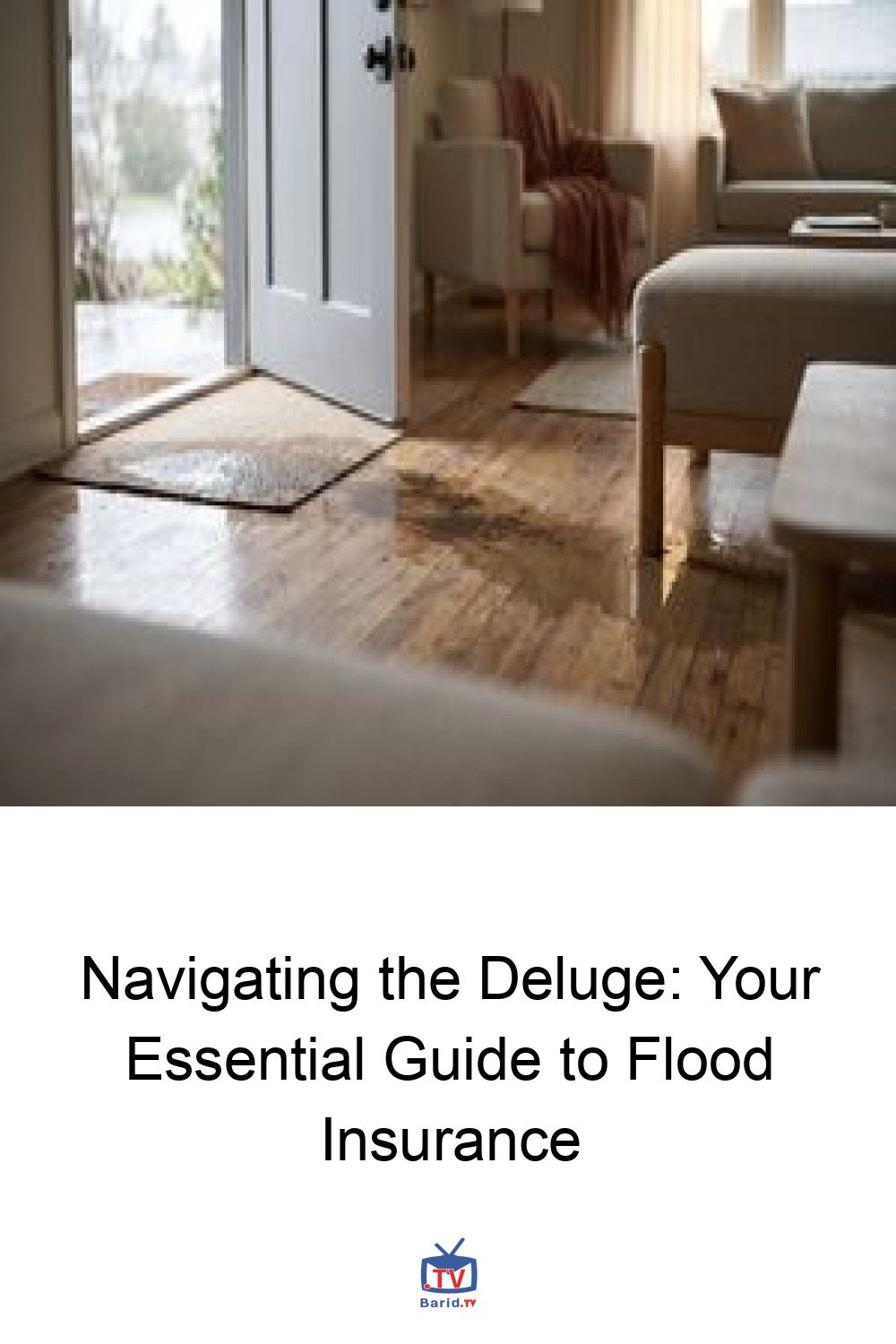
A sudden burst pipe and a raging river both leave devastating water damage in their wake. Yet, for homeowners across the U.S., these two scenarios are treated dramatically differently by standard insurance policies. While internal plumbing failures are typically covered, the rising waters of a flood are almost universally excluded. This critical distinction often catches homeowners off guard, highlighting the urgent need to understand flood insurance.
The Critical Distinction: Homeowners vs. Flood Insurance
For most U.S. homeowners, the answer to “Does my standard homeowners insurance cover flood damage?” is a resounding no. Policies like the widely used HO-3 form explicitly list flood as an exclusion. This isn’t just about a river overflowing its banks; the exclusion extends to surface water (heavy rain pooling and entering a home), the overflow of any body of water (lakes, streams), and even waves, tides, and tidal water, regardless of whether wind is a contributing factor.
Consider a hurricane: wind damage to your roof might be covered, but the storm surge pushing seawater into your ground floor is considered flood damage and falls under this exclusion. This is further reinforced by an “anti-concurrent causation clause,” which states the flood exclusion applies even if other covered events contribute to the loss simultaneously or sequentially.
It’s not just owner-occupied single-family homes (HO-3) that face this gap. Renters (HO-4) and condominium unit owners (HO-6) also find flood damage excluded from their standard policies, meaning separate flood protection is essential for their belongings and units.
Your Options for Flood Protection: NFIP and Private Policies
To bridge this crucial coverage gap, homeowners have two primary avenues for flood protection:
The National Flood Insurance Program (NFIP)
Administered by FEMA, the NFIP offers policies directly to consumers and through participating private insurers. It’s a federal program designed to provide a baseline of flood coverage.
Private Flood Insurance
A growing market, private insurers also write their own flood policies. These can offer terms, coverage limits, and conditions that differ significantly from the federal program, providing potentially more tailored or extensive options depending on your needs.
Understanding What a ‘Flood’ Really Means (NFIP Definition)
The definition of a flood is central to any policy. The NFIP defines a flood as a “general and temporary condition of partial or complete inundation of two or more acres of normally dry land area or of two or more properties (one of which is your property) from:
- Overflow of inland or tidal waters.
- Unusual and rapid accumulation or runoff of surface waters from any source.
- Mudflow.
This precise definition determines whether a claim falls under flood insurance or is dismissed as another type of water damage.
Beyond Floods: Sewer Backup and Other Water Damage
It’s important to note that water backing up through sewers or drains is typically treated as a separate risk from a flood. Standard homeowners policies usually exclude this as well. To gain coverage for sewer backup, an optional endorsement must generally be purchased.
Key Considerations Before and After a Flood
Securing a policy is just the first step. Several critical rules and procedures shape what a flooded homeowner can actually recover:
Waiting Periods: Flood Insurance Isn’t Instant
Unlike other insurance, flood policies do not take effect the moment they are purchased. There is typically a waiting period (often 30 days for NFIP policies) before coverage begins. Plan ahead, as you cannot buy flood insurance during an active flood event and expect immediate protection.
Mandatory Coverage: When FEMA Maps Dictate Your Policy
If your home is located in a high-risk flood area, as designated by FEMA’s flood maps, federal law often requires mortgage borrowers to carry flood insurance. Lenders will enforce this requirement to protect their investment.
Coverage Limits and Exclusions: What Federal Policies Cover
Federal flood policies come with specific caps on what they will pay out for structural damage and contents. They also exclude certain parts of a home, specific belongings, and some living expenses. Understanding these limits is crucial for adequate protection.
Navigating the Claims Process: Paperwork and Deadlines
Filing a flood claim involves its own set of paperwork and strict deadlines. Prompt reporting and thorough documentation are vital for a successful claim.
Federal Aid vs. Insurance: A Crucial Difference
While federal disaster aid can provide some assistance after a major flood, it is not a replacement for insurance. Aid often comes in the form of low-interest loans that must be repaid, whereas insurance payouts do not.
Understanding the nuances of flood insurance is paramount for protecting your most valuable asset. Don’t wait until the waters rise to discover you’re unprotected.
For more details, visit our website.
Source: Link








Leave a comment