




Shaina Tabak: Bridging Digital Realms and Material Culture
Shaina Tabak, an artist whose impressive resume already boasts over 20 exhibitions, is making significant waves in the art world even as she pursues her MFA in Visual Arts at Columbia University. A distinguished graduate of RISD with a BFA in furniture design, Tabak is now adding ‘curator’ to her diverse skill set with ‘260 Madison.’ This ambitious, artist-run exhibition transforms a former Duane Reade storefront and a sprawling 23,000-square-foot office floor in Midtown Manhattan into a dynamic showcase for over 50 artists.
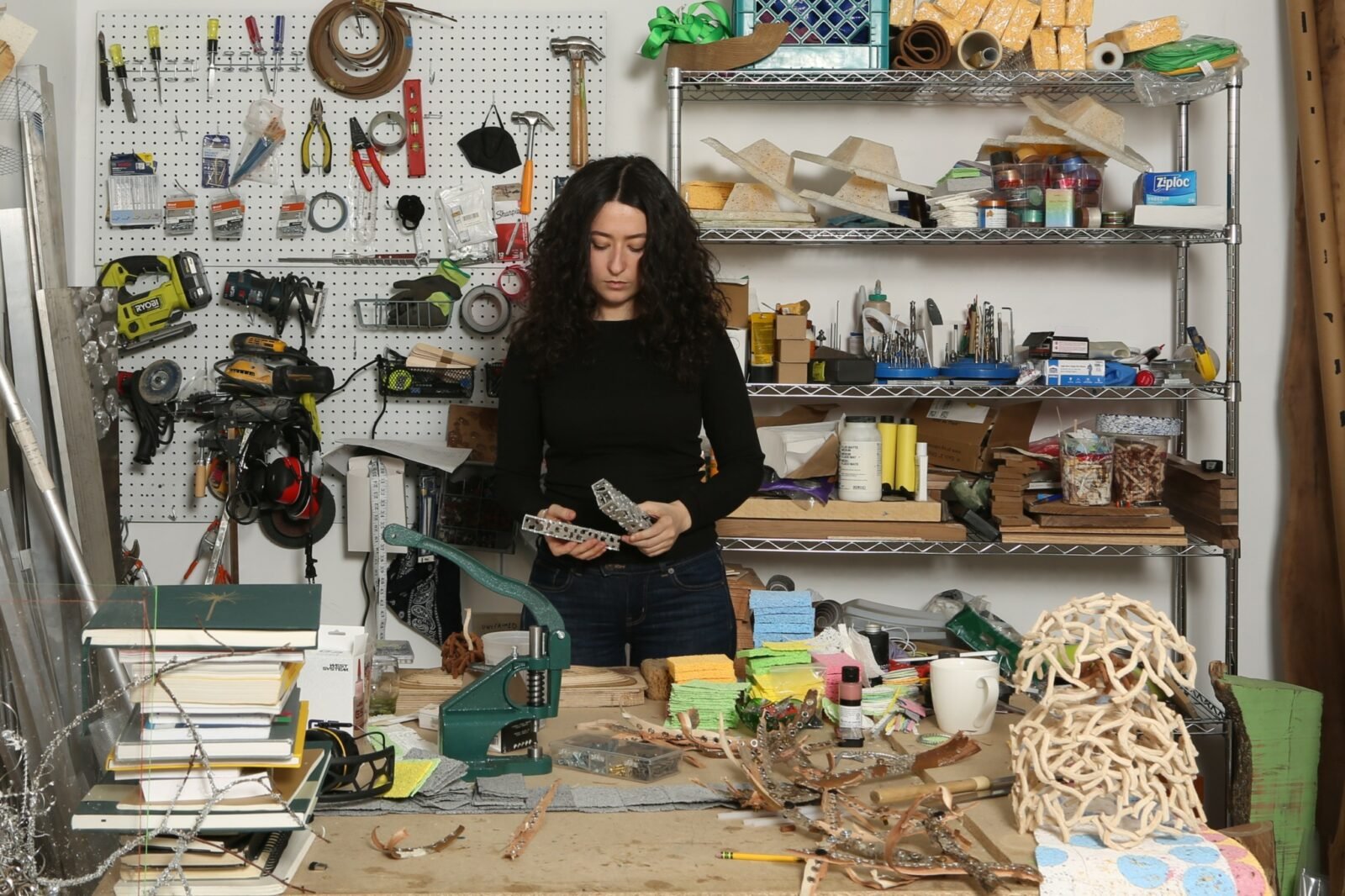
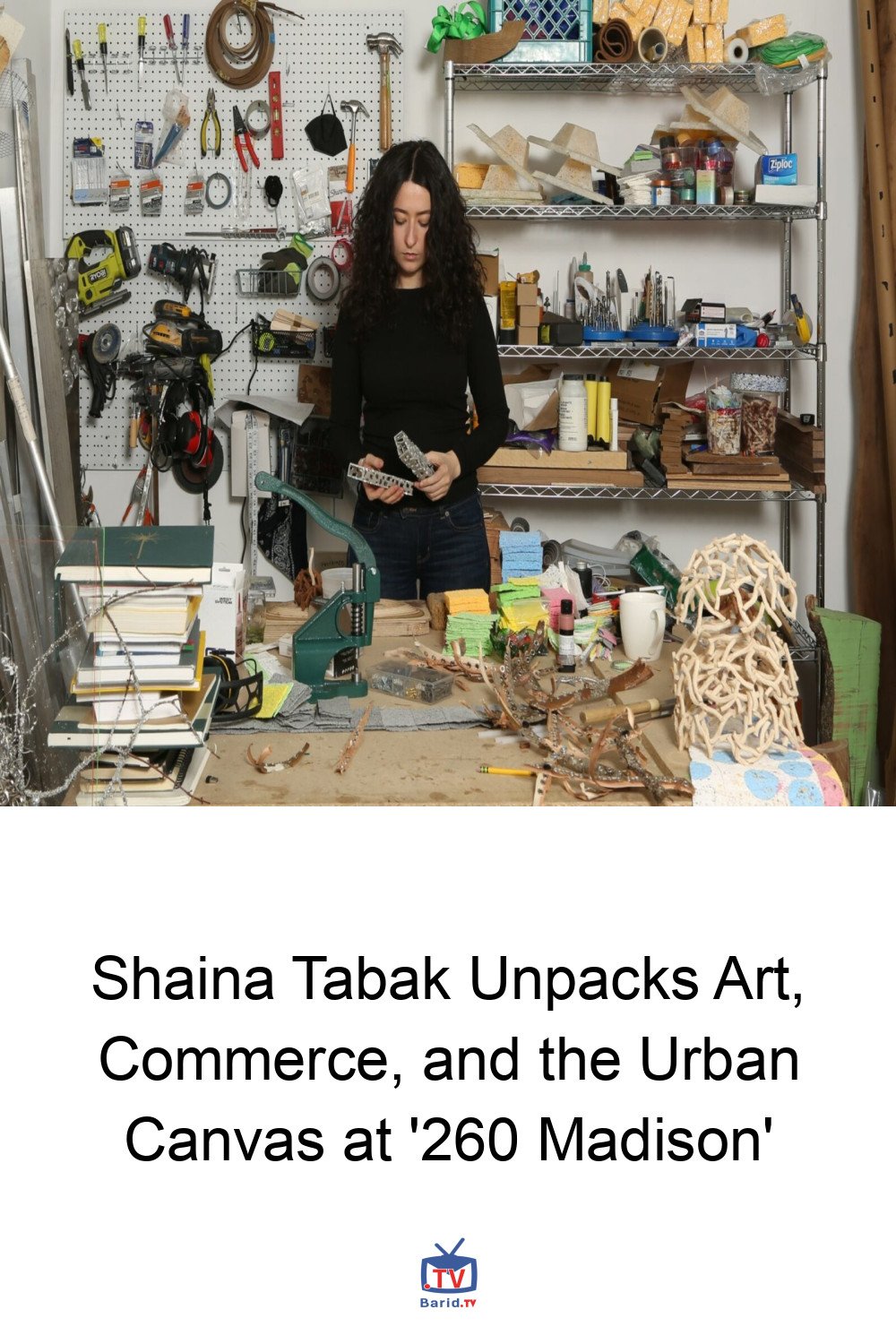
Tabak’s personal work is as expansive and thought-provoking as her curatorial vision. She delves into the intricate relationship between the digital and physical realms, drawing on history, technology, and materiality. Her process often begins with digitally modeled forms, which she then meticulously translates into tangible sculptures through hands-on techniques like cutting, perforation, lamination, and extrusion. Beyond mere aesthetics, Tabak views materials as profound records of human endeavor – reflecting labor, manufacturing, extraction, and consumption. Her art offers a historical lens on contemporary material culture, prompting viewers to consider how today’s valued objects might be perceived by future generations. As she eloquently states, her sculptures are “less concerned with imagining the future than with creating historical distance from the present.”
This unique perspective is vividly illustrated in her recent series, which scrutinizes the increasingly blurred boundaries between ‘looking’ and ‘shopping.’ Working from her Brooklyn studio, the Queens-born artist embeds industrial objects within three-ply cardboard, a direct nod to the ubiquitous packaging and shipping systems that underpin modern consumer culture. She further explores the pervasive influence of visual search and algorithmic commerce, where a single image can trigger an endless cascade of purchasable alternatives. It’s a powerful commentary on a society where images transcend mere inspiration, actively generating transactions.
‘260 Madison’: A Curatorial Debut Redefining Space
For her inaugural curatorial project, ‘260 Madison,’ Tabak tapped into the vibrant community of Columbia University’s MFA program and her extensive network, bringing together a compelling mix of emerging talents and established names. Co-curated with Dayana Matasheva and Edson Niebla Rodríguez of Demon Lovers, Inc., the exhibition features notable artists such as Simon Denny, Jon Kessler, and Eva and Franco Mattes. This monumental undertaking was made possible through a unique collaboration with AmTrustRE, the building’s owner, who granted the curators complete creative autonomy.
On display until November 22, 2026, ‘260 Madison’ is an immersive experience. The exhibition recontextualizes familiar materials, objects, and technologies, presenting them dismantled, reconstructed, or rendered strikingly strange. The raw, industrial backdrop – exposed HVAC, ripped-out toilets, and corporate-logo wallpaper – sets the stage for a diverse array of works spanning sculpture, new media, and video. Tabak’s overarching goal for ‘260 Madison’ is to “examine the systems organizing contemporary life—from control, surveillance, AI, and extraction to the material and architectural structures that shape how we work, move, and live.”
Influences and Precedents: Art Beyond the Gallery Walls
Tabak openly shares the pivotal influences that shaped her approach to ‘260 Madison,’ highlighting artist-run exhibitions that dared to challenge traditional institutional frameworks and architectural theories that inform her own sculptural practice.
Damien Hirst’s ‘Freeze’ (1988)
One significant precedent, suggested by her professor Jon Kessler, was Damien Hirst’s seminal ‘Freeze’ exhibition in 1988. This groundbreaking show took place amidst the redevelopment of London’s Docklands and was notably supported by real-estate developers. Tabak reflects on this, noting how ‘Freeze’ illuminated the “uneasy relationship between artistic independence and the production of urban capital.” This historical context made her acutely aware of an inherent contradiction within ‘260 Madison’: while the exhibition temporarily interrupts the building’s commercial function, it simultaneously generates cultural value for a property undergoing modernization.
Christopher Wool’s ‘See Stop Run’ (2024)
A more contemporary inspiration was Christopher Wool’s ‘See Stop Run’ (2024), held in New York City’s Financial District. This exhibition powerfully demonstrated how artists could bypass established institutions by creatively repurposing vacant commercial spaces. Like ‘260 Madison,’ Wool’s exhibition was installed on a gutted office floor, offering a more immediate and direct engagement with architectural space.
Conclusion: A Compelling Voice in Contemporary Art
Shaina Tabak’s ‘260 Madison’ is more than just an exhibition; it’s a profound statement on the intersection of art, architecture, commerce, and the very fabric of contemporary existence. Through her own intricate sculptures and her ambitious curatorial vision, Tabak invites us to look closer at the systems that govern our lives, challenging perceptions and fostering a critical distance from the present. Her work, both as an artist and a curator, solidifies her position as a compelling voice shaping the future of art.
For more details, visit our website.
Source: Link








Leave a comment