



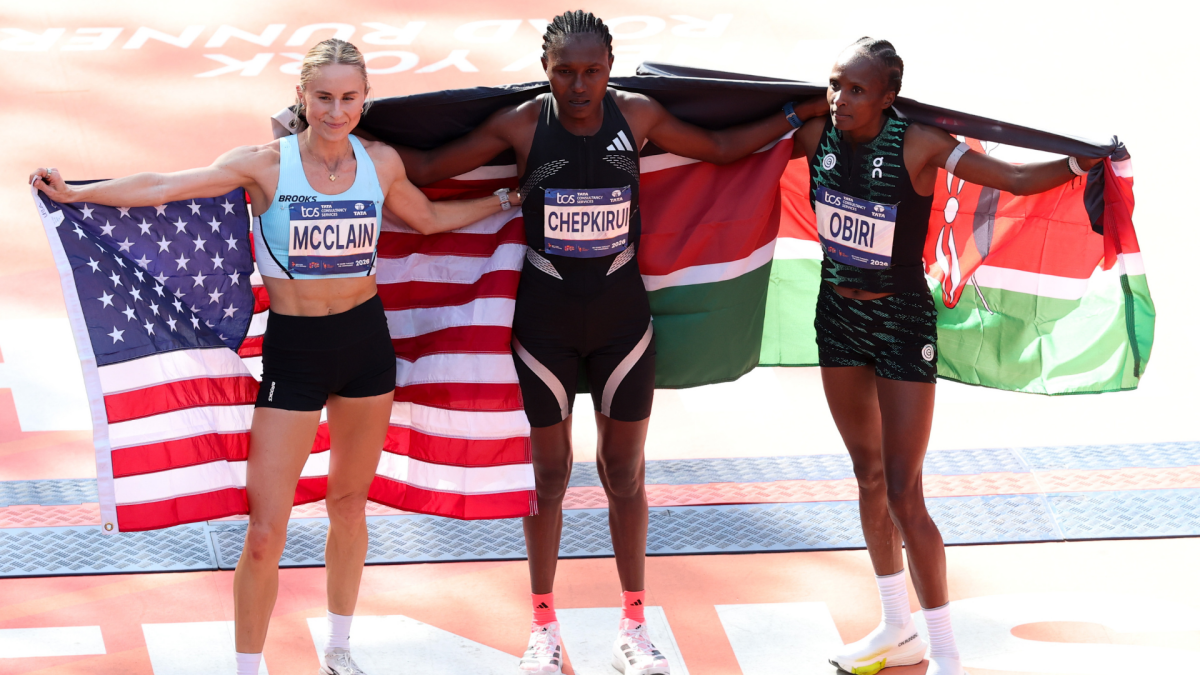


The roar of the crowd, the iconic bridges, the sheer human endeavor – over 60,000 runners recently converged on New York City to conquer its legendary marathon. For those watching the elite athletes battle for supremacy, a familiar sight was once expected on their wrists: the latest, most advanced GPS watches, almost exclusively from Garmin. Yet, this year’s New York City Marathon podium told a different, more intriguing story.
While Garmin has long been the default choice for both professional and recreational runners, a closer look at the top finishers revealed a vibrant, competitive landscape. The era of a single dominant brand may well be drawing to a close.
The Podium’s Surprising Lineup
Forget the assumption that only the most expensive Garmin models graced the wrists of champions. Here’s a breakdown of the watches confirmed among the NYC Marathon’s fastest:
- Men’s Winner, Andreas Almgren: Coros Pace 4 (sponsored)
- Men’s Runner-Up, Yemaneberhan Crippa: Amazfit Cheetah 2 Pro (sponsored)
- Women’s Runner-Up, Jessica McClain: Garmin Forerunner 570 (sponsored)
- Women’s Third Place, Hellen Obiri: Coros Pace 4 (sponsored)
- Nonbinary Winner, Ryan Montgomery: Suunto Race 3S (almost certainly sponsored, given its recent release)
It’s crucial to acknowledge that sponsorships play a significant role. Elite athletes often wear what their partners provide. However, this very fact underscores a pivotal shift: other brands are aggressively investing in top talent, confident that their products can not only compete with but also stand alongside Garmin’s best. The podium results suggest their bets are paying off.
Is Garmin’s Reign Truly Over?
For years, “Garmin” was synonymous with “running watch.” Its reputation was built on reliable GPS, sophisticated software, and a comprehensive ecosystem. The presence of a Garmin Forerunner 570 on the podium confirms its continued excellence. However, this particular model comes with a price tag that many everyday runners would find prohibitive.
Garmin’s recent strategy has increasingly leaned towards feature-rich, high-end devices, pushing price points ever higher. Meanwhile, competitors like Coros, Amazfit, and Suunto are demonstrating that exceptional performance doesn’t necessarily demand a premium price. The Coros Pace 4, for instance, offers competitive features at a fraction of the cost of some high-end Garmins.
While Garmin remains a formidable contender in terms of ecosystem, polish, and feature depth, the notion of it being the “only serious option” is clearly outdated. The gap between Garmin and its rivals is narrowing, making the market more exciting and diverse than ever before.
What Truly Matters in a Running Watch?
The performance of these elite athletes, regardless of their watch’s brand or price, highlights a fundamental truth: you don’t need a wallet-busting device to achieve greatness. Consider the men who broke the sub-two-hour barrier at the London Marathon this past spring, many of whom relied on surprisingly affordable watches.
While advanced metrics like training load scores, recovery analytics, maps, music integration, and smart notifications are certainly appealing, they are ultimately secondary. When choosing a running watch, prioritize the fundamentals. Invest in a device that excels at the basics, and resist the pressure to pay for features you’ll never truly utilize. Beyond accurate time and pace, everything else is simply extra.
Essential Features for Every Runner
Regardless of brand allegiance, these core functionalities should be at the top of your checklist for any solid running watch:
- Reliable Pace and Distance Tracking: The absolute non-negotiables for any runner.
- Accurate Heart Rate Sensor: Crucial for understanding effort and optimizing training zones.
- A Screen You Can Read at a Glance: Essential for quick checks during intense efforts.
- Easy, Dependable Buttons: Especially vital when hands are sweaty or gloved.
- Battery That Outlasts Your Race: Peace of mind for long runs and marathons.
- Comfort: A watch you forget you’re wearing is the best kind.
The New York City Marathon podium serves as a powerful testament to a running-watch market that is more competitive and dynamic than the old “just buy a Garmin” adage suggested. Garmin continues to produce excellent devices, but Coros, Amazfit, and Suunto have unequivocally proven their capability to craft watches worthy of the planet’s fastest humans. If these elite athletes can trust these devices on their most important race days, the rest of us can certainly rely on them for our everyday training and weekend long runs.
For more details, visit our website.
Source: Link







Leave a comment