




Trump’s Pre-Midterm Payouts: From $5,000 Promises to $90 for Seniors
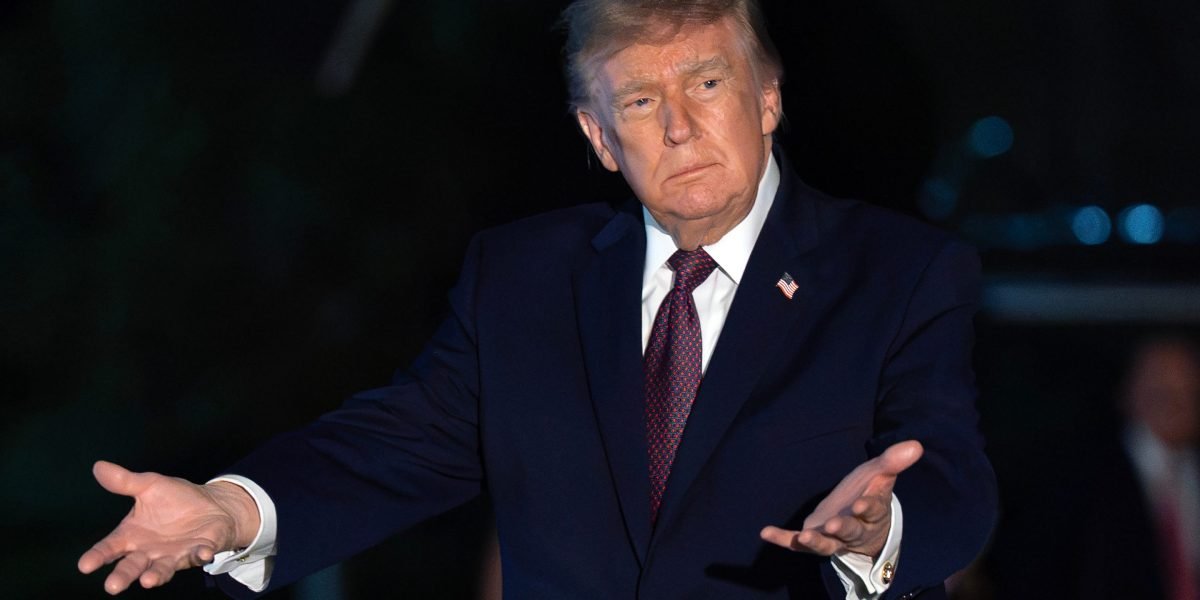
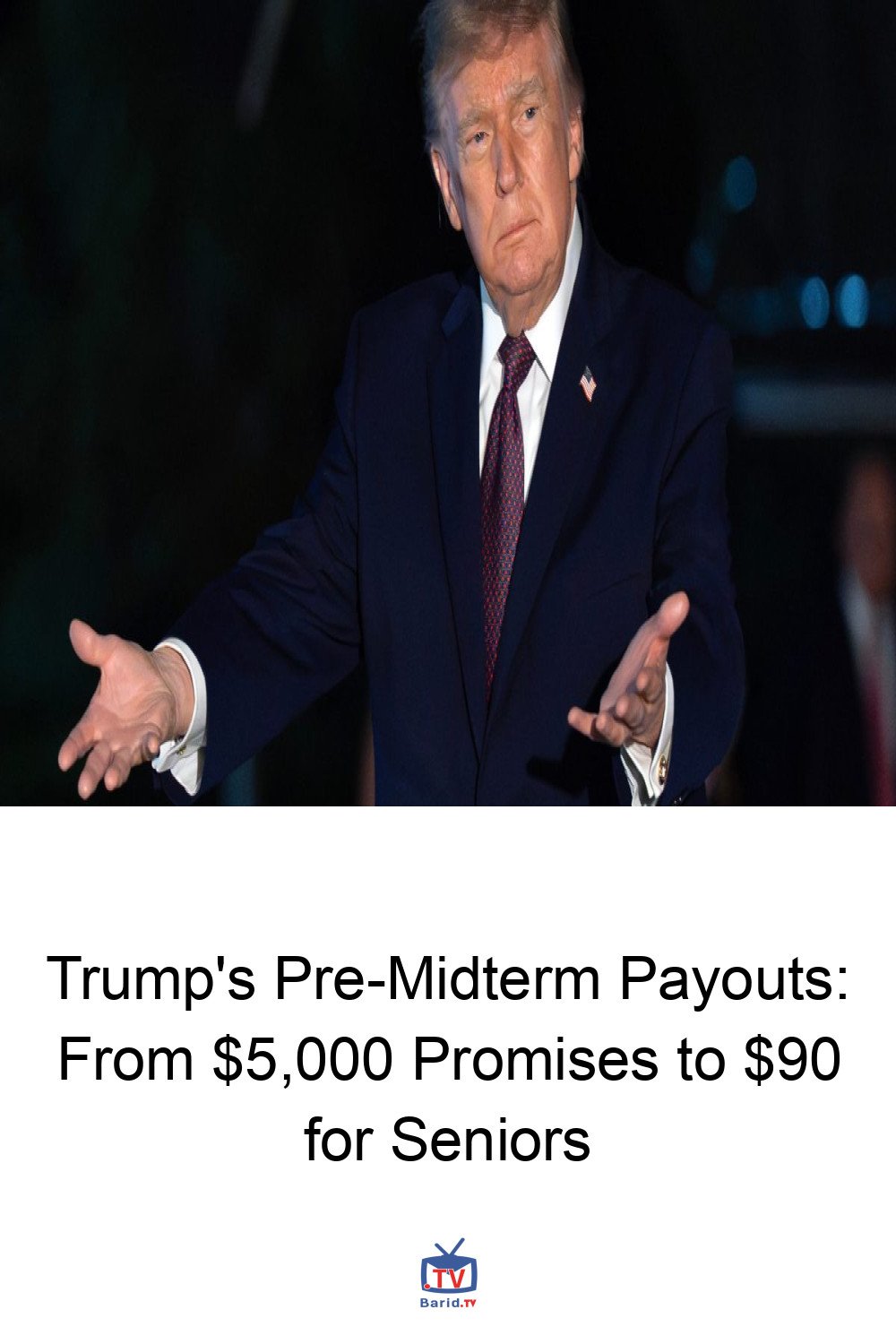
As the crucial November 3rd midterm elections draw near, former President Donald Trump is once again making headlines with a series of financial pledges to American voters. The latest announcement, delivered via social media late Friday, targets over 20 million seniors, promising each a $90 payment to help offset Medicare premiums. This move is the latest in a string of proposed payouts, raising questions about political strategy, economic impact, and the use of federal funds.
A Flurry of Pre-Election Promises
The $90 Medicare payment follows earlier, more substantial promises from the former president. Last month, Trump announced that approximately one million individuals would receive $500 rebate checks intended to assist with Affordable Care Act premiums. Even more ambitiously, he has repeatedly vowed on the campaign trail to send every American adult a staggering $5,000 if Republicans manage to secure control of both the House and Senate in the upcoming midterms. Such a sweeping pledge, requiring congressional approval, is estimated to cost over $1 trillion, a sum that would undoubtedly exacerbate the national deficit and potentially fuel inflation.
Economic Headwinds and Voter Sentiment
These financial enticements come at a time when the American public is increasingly concerned about economic stability. Recent polls indicate a growing number of Americans hold Trump responsible for the rising costs of gasoline and groceries, with only 17% approving of his handling of inflation. Despite these concerns, Trump has consistently dismissed worries about affordability, maintaining that the economy is robust.
The Medicare Improvement Fund: A Closer Look
The White House has clarified that the $90 payments for seniors will be drawn from the Medicare Improvement Fund. Established by Congress in 2008, this fund was designed to provide flexible financing for enhancing program operations and payments to healthcare providers. Eligible Medicare Part B enrollees can anticipate receiving this one-time payment in October, either through direct deposit or by check. It’s important to note that monthly costs for Medicare Part B, which covers essential services like doctor’s visits and lab tests, typically start around $200 and vary based on income.
Eligibility for the $90 payment requires seniors to reside in the U.S. and not currently be receiving premium assistance from Medicaid or paying adjusted monthly premiums based on income. Furthermore, seniors enrolled in Medicare Advantage, a private alternative to traditional Medicare, are not eligible. According to KFF, a healthcare research nonprofit, more than half of eligible Medicare beneficiaries are enrolled in Medicare Advantage.
Unprecedented Use of Funds?
Larry Levitt, KFF’s executive vice president for health policy, points out that previous administrations have not utilized the Medicare Improvement Fund in this specific manner. While Congress has periodically reallocated money from the fund for other priorities – such as the $20.74 billion used for the creation of the Affordable Care Act in 2010 – this direct payment to seniors is a novel application. Levitt notes, however, that “The Medicare Improvement Fund language is quite broad and gives substantial discretion to the administration.” This broad interpretation allows the current administration to implement such a payment, albeit in a way that diverges from historical precedent.
For more details, visit our website.
Source: Link








Leave a comment