





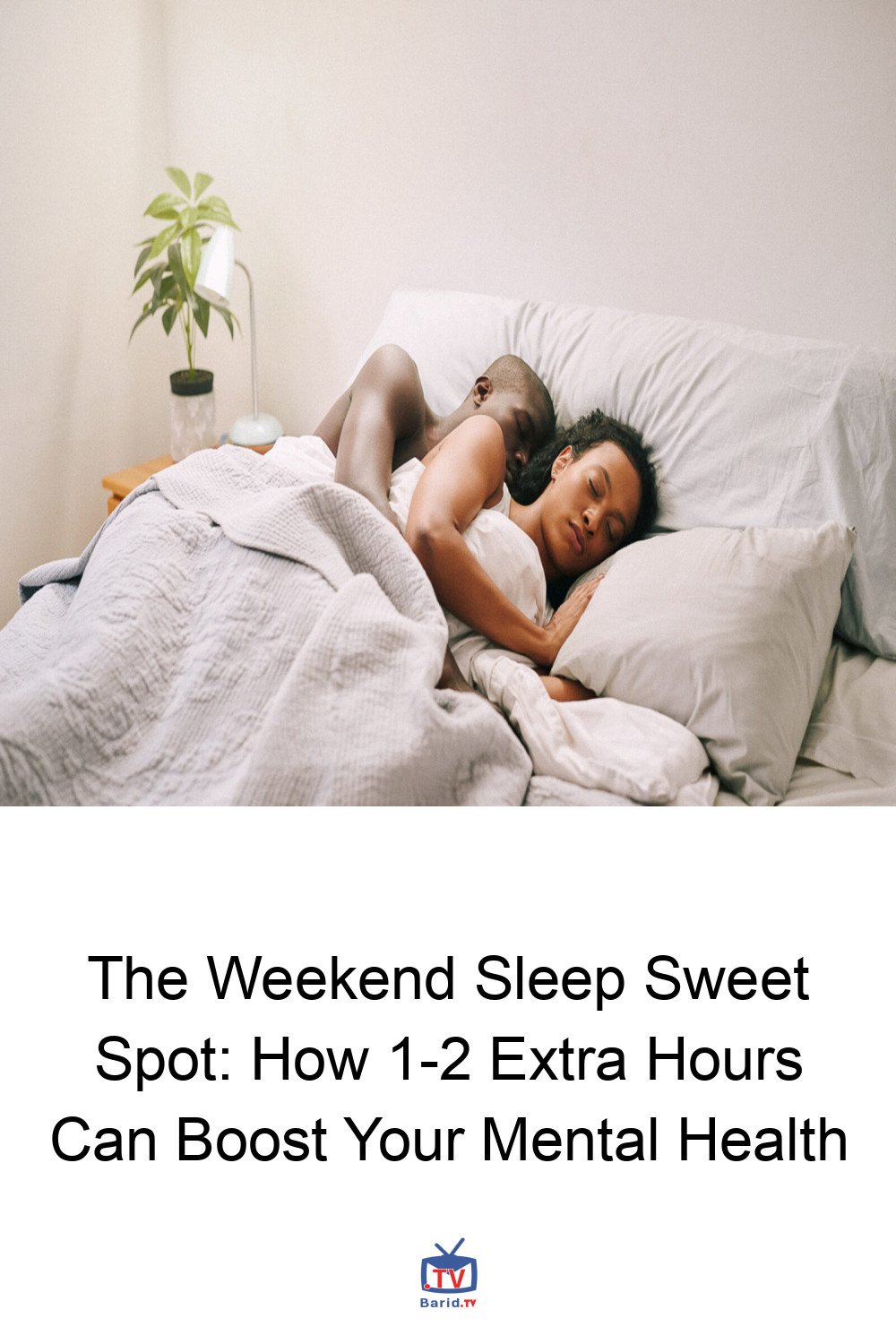
For many, the weekend is a cherished opportunity to reclaim lost sleep, a chance to hit the snooze button repeatedly and emerge from slumber hours later than usual. If you’ve ever justified a Saturday lie-in as “absolutely necessary,” new research suggests you might be onto something – but with a crucial caveat.
A groundbreaking study has unveiled a fascinating link between a specific amount of weekend catch-up sleep and improved mental health, particularly a reduced risk of depression and anxiety. However, the findings also reveal a “sweet spot,” indicating that too much extra sleep might not yield the same benefits.
Unpacking the UK Biobank Study
Published on October 15, 2026, this extensive research delved into the sleep patterns of 91,665 adults participating in the UK Biobank, a large, long-term health study. Unlike previous studies that often relied on self-reported sleep, this team utilized wearable devices to accurately track participants’ sleep duration over an average of nearly eight years. This innovative approach allowed for a more precise understanding of weekend sleep habits compared to weekday routines.
Methodology and Groups
Participants were categorized into four distinct groups based on their weekend catch-up sleep: those with no extra sleep, a short catch-up (under one hour), a medium catch-up (one to two hours), and a long catch-up (two or more hours). This detailed segmentation allowed researchers to meticulously examine the impact of varying durations of weekend sleep on brain health outcomes, including the risk of depression, anxiety, dementia, stroke, and Parkinson’s disease.
The Mental Health Sweet Spot: 1-2 Hours of Extra Sleep
The most compelling discovery was the significant mental health benefit observed in individuals who added one to two hours of sleep on weekends. Both the short and medium catch-up sleep groups showed a lower risk of depression compared to those who didn’t catch up on sleep at all. Crucially, the medium group (those sleeping in by one to two hours) also experienced a reduced risk of anxiety.
However, the study clearly indicated that “more isn’t better.” Participants who slept in for two or more hours did not demonstrate the same protective effects, suggesting a ceiling to the mental health advantages of weekend catch-up sleep. This finding challenges the common belief that any extra sleep is beneficial and highlights the importance of moderation.
Beyond Mood: Neurological Conditions Unaffected
While the mood-related benefits were clear, the research painted a different picture for long-term neurological conditions. The study found no significant link between any amount of weekend catch-up sleep and a lower risk of dementia, stroke, or Parkinson’s disease. This suggests that while extra sleep can help with immediate emotional regulation, its impact doesn’t extend to preventing these complex, decades-long brain conditions, which are influenced by a multitude of factors including genetics, cardiovascular health, and chronic inflammation.
The Science Behind the Mood Boost
Why might a modest amount of extra weekend sleep positively impact mood? Sleep is fundamental to emotional regulation. During sleep, the brain actively processes daily experiences, works to balance stress hormones, and performs essential “housekeeping” tasks. When weekday sleep is consistently insufficient, these vital processes are disrupted, leading to a cumulative negative effect on mood.
Restoring even one to two hours of sleep on the weekend appears to be enough to partially recalibrate this emotional processing, offering a buffer against the build-up of stress and emotional dysregulation, thereby potentially explaining the observed reduction in depression and anxiety risks.
Optimizing Your Weekend Rest: Practical Advice
This research doesn’t advocate for abandoning healthy weekday sleep habits. Instead, it offers a more nuanced perspective on how weekend sleep can complement, rather than replace, consistent rest. Here’s how to apply these findings:
Aim for the 1-2 Hour Sweet Spot
- If you frequently experience sleep debt during the week, allowing yourself an extra one to two hours of sleep on Saturday or Sunday mornings may offer a tangible mental health boost. Resist the urge to oversleep, as the benefits plateau beyond this duration.
Weekend Sleep as a Buffer, Not a Reset
- Don’t view weekend lie-ins as a complete undoing of a week’s worth of poor sleep. Sleeping three or four hours extra can disrupt your circadian rhythm, potentially making Monday mornings even harder. Think of it as a partial recovery, not a full system reset.
Prioritize Weekday Sleep Consistency
- The most effective strategy for overall health remains consistent, adequate sleep most nights of the week. Weekend catch-up sleep should be seen as a supplementary tool, not a substitute for good daily sleep hygiene. If you struggle with your sleep schedule, establishing an earlier, consistent bedtime is always the best first step.
Acknowledge the Mood-Sleep Connection
- If you notice increased anxiety or low mood after periods of insufficient sleep, understand that this connection is scientifically validated. Even a modest amount of recovery sleep can make a difference.
Be Honest About Your Sleep Debt
- Relying on significant weekend catch-up sleep every single week is a clear indicator that your weekday sleep schedule is unsustainable and needs adjustment.
In conclusion, while the allure of an endless weekend lie-in is strong, this research suggests a more strategic approach to rest. A measured one to two hours of extra sleep on weekends could be a simple yet powerful tool in your mental health arsenal, offering a valuable respite without disrupting your body’s natural rhythms.
For more details, visit our website.
Source: Link








Leave a comment