





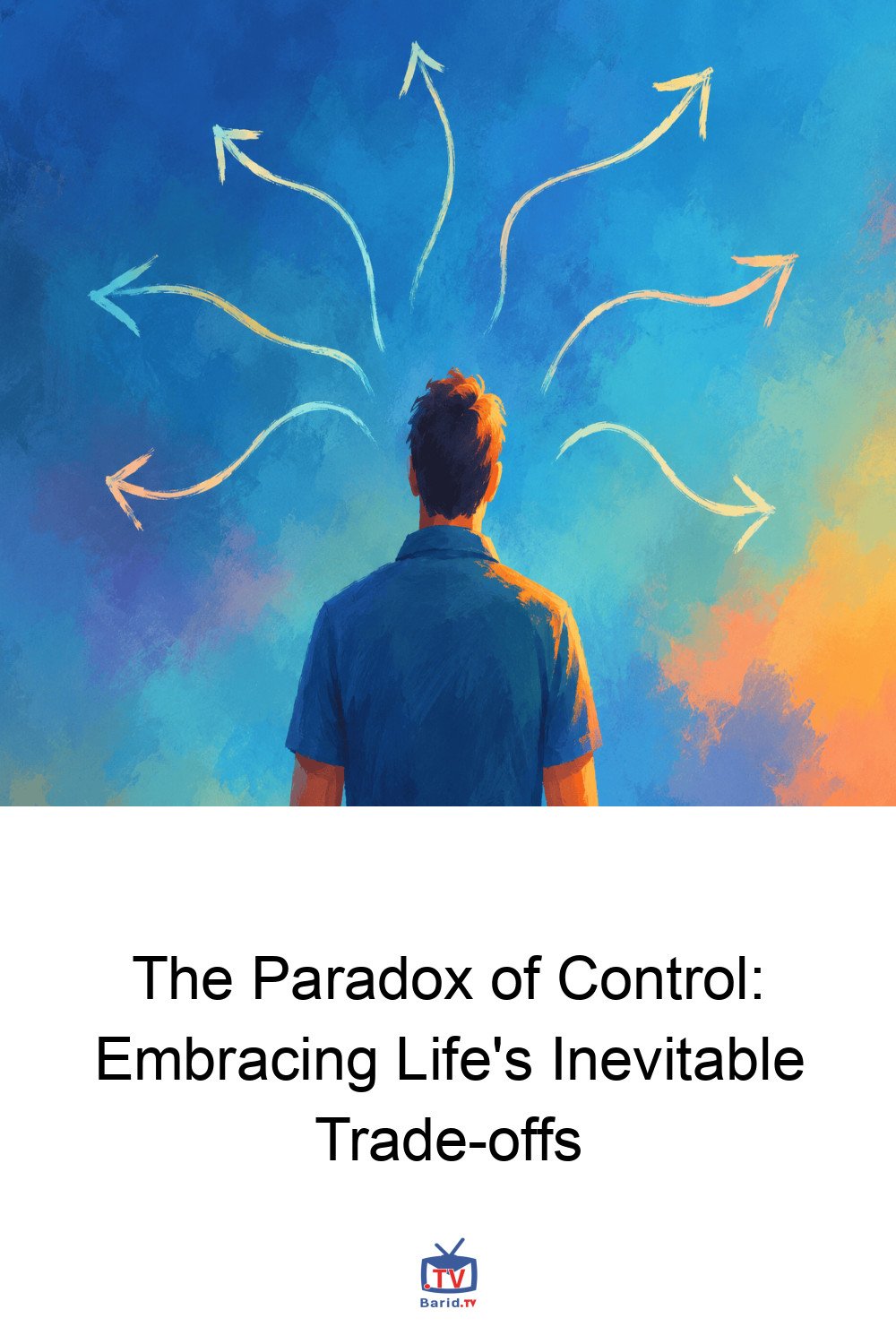
“I once heard someone say that a sign of enlightenment was the ability to say (and mean it) ‘Well, this isn’t what I want, but it’s what I got, so okay.’” ~Sylvia Boorstein
Life often feels like an unsolvable Rubik’s Cube, doesn’t it? A relentless scramble where every attempt to align one side perfectly seems to throw the others into disarray. This sentiment resonates deeply with many, including the author, who vividly recalls a metaphorical ‘hatred’ for a speed-cuber – not for the individual, but for the effortless mastery they displayed over a puzzle that mirrored life’s own stubborn refusal to be neatly organized.
The Unattainable Ideal: Getting Everything Right
The quest for universal perfection is a Sisyphean task. We juggle professional ambitions with family time, personal well-being with social engagements, creative pursuits with mundane chores. The truth, as the author eloquently states, is that we are ‘trading off all damn day long.’ This isn’t a sign of personal failing, but a fundamental aspect of existence. The more we try to force life into meeting our every expectation, the more it pushes back, a lesson echoed in ancient cautionary tales and modern blockbusters alike.
Understanding Our Addiction to Control
The author identifies a pervasive ‘control addiction’ within us all. This isn’t about being bossy, but about a profound human desire to bend reality to our will – to make people, situations, and outcomes conform to our specific needs and expectations. Years of introspection have revealed three critical paradoxes embedded within this relentless pursuit:
- Paradox 1: The More We Need Control, The Less We Feel It. This is the frustrating cycle of anxiety and overexertion, where the very act of grasping for control makes it slip further away.
- Paradox 2: Controlling Others Leads to Being Controlled. Our attempts to dictate the actions or feelings of those around us often result in them exerting their own influence, or worse, pushing back in ways that limit our own freedom.
- Paradox 3: Control Gained in One Area Demands Surrender in Another. This is the core insight that sparked the author’s metaphorical animosity towards the speed-cuber. Achieving mastery in one domain frequently necessitates a loss of equilibrium elsewhere.
The Cost of Choice: A Universal Truth
This third paradox is a brutal reality, illustrated by countless examples: the executive whose career triumphs cost him his family, the parent whose devotion to children led to marital estrangement, or the individual who managed emotions through addiction, only to lose control to the substance itself. We constantly witness these trade-offs, yet often fail to internalize the lesson. The desire to ‘have it all’ – to write the book and spend time with family, to earn money and rest, to enjoy indulgent food without consequence – remains a powerful, often childish, impulse within us.
From Failure to Choice: A Shift in Perspective
A crucial shift in perspective, however, can transform this struggle. The author recounts moving from viewing the ‘scrambled side of the cube’ as evidence of failure to seeing it as a reminder of choice. A productive writing day means chores might pile up; a spotless home might mean the book remains unwritten. Every ‘yes’ implies a ‘no,’ and every choice carries a cost. This seemingly obvious truth is often obscured by our deep-seated desire for cost-free outcomes.
Accepting Life’s Imperfect Symphony
While the allure of perfect alignment, like a solved Rubik’s Cube, remains strong, the journey towards acceptance involves understanding that life is not a puzzle to be perfectly solved, but a complex, ever-shifting landscape of trade-offs. The author’s closing anecdote about a sudden medical scare powerfully underlines this. Forced to cancel appointments and manage family anxiety while waiting in an ER hallway, the situation was far from ideal. Yet, it was a ‘got,’ a reality that simply had to be accepted.
Ultimately, true enlightenment, as Sylvia Boorstein suggests, might lie in the profound ability to acknowledge what is, even when it’s not what we want, and to say, ‘Okay.’
For more details, visit our website.
Source: Link








Leave a comment