





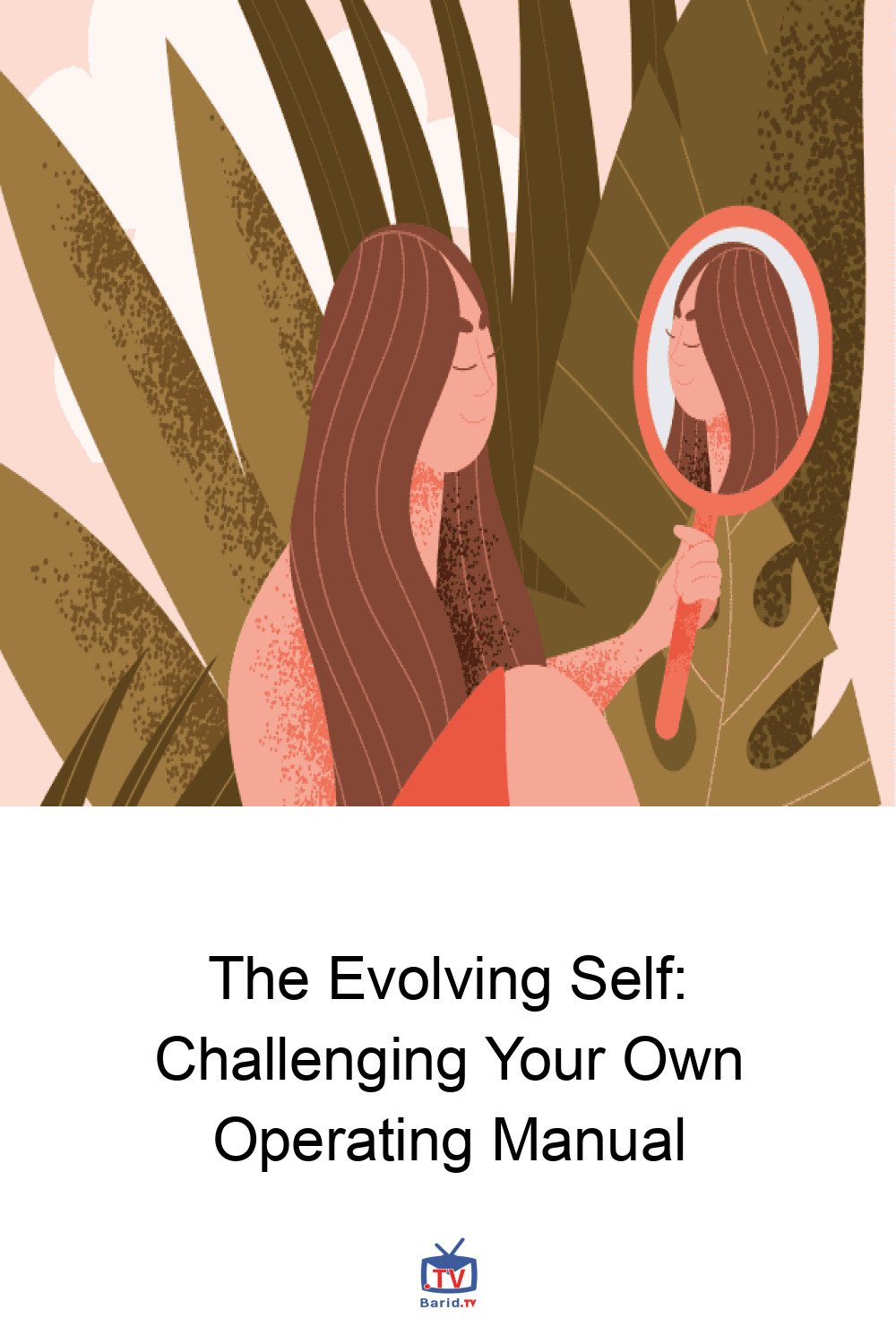
After seven decades of introspection and relentless inquiry, one might assume a comprehensive understanding of oneself. I certainly did. I’ve meticulously cataloged my passions, identified my energy sources and drains, and firmly established my boundaries. At seventy, my internal ‘operating manual’ felt robust, filled with preferences, patterns, and opinions honed over a lifetime. As an executive coach for over twenty years, I’ve even become adept at guiding others through their own journeys of self-discovery. I could articulate the next chapter of my life with a beautifully formatted presentation, complete with perfect slides – if only I knew what content to put on them. And therein lies a profound paradox.
The Trap of Self-Definition
We dedicate years to cultivating self-awareness, mapping our triggers, strengths, blind spots, and the narratives we construct about ourselves. This pursuit is undeniably valuable. Yet, I’m increasingly questioning if this diligent self-awareness can subtly morph into something more rigid: self-definition. The observation, “I notice this about myself,” gradually hardens into the declaration, “This is who I am.” Once these definitions solidify, we become remarkably skilled at reinforcing them, often inadvertently closing ourselves off to new experiences and personal evolution.
“I’m Just Not a Joiner”: A Case Study in Limiting Beliefs
For years, the phrase “I’m not a joiner” has effortlessly rolled off my tongue. I enjoy individual connections, but clubs, committees, or organized groups? Not my scene. Case closed. Or so I thought. Recently, I found myself browsing local Meetup groups – books, walking, museums, films, travel, food, conversation. A veritable smorgasbord of interests, apparently attracting millions. Several groups genuinely piqued my interest. Yet, the moment of commitment arrived, I closed my laptop. Signing up was easy; actually showing up demanded an internal negotiation. Suddenly, emails needed answering, household chores beckoned, and a new episode of ‘Lioness’ called. Amidst these convenient distractions, I heard myself utter it again: “I’m just not a joiner.”
This time, I paused. Was that truly an immutable truth, or merely a past truth? The distinction is crucial. Walking into a room of strangers has never been my comfort zone; it’s easier with a predefined role or a waiting acquaintance. Meetups are different – you show up by choice, without assignment or guaranteed connection. For someone craving more connection, I found myself surprisingly resistant to the initial awkwardness that often precedes genuine belonging. Perhaps “I’m not a joiner” isn’t solely about groups, but rather a reflection of an unacknowledged fear of not yet knowing where I belong. And belonging, almost invariably, requires showing up first.
The Dinner Party Dilemma: Unpacking Preferences
We all curate a collection of self-descriptions: “I’m shy,” “I’m not creative,” “I could never travel alone,” “I don’t like parties.” Some are unequivocally true, and there’s liberation in recognizing experiences you genuinely don’t enjoy. I no longer need to confirm that shouting over loud music isn’t my preferred mode of human interaction. We earn this clarity. But what other assumptions have we filed under “self-knowledge” without truly deserving a permanent place?
Consider the individual who, in third grade, decided they weren’t artistic because their horse drawing resembled a kitchen appliance, and sixty years later, still won’t touch a paintbrush. I have my own version: “I don’t give dinner parties.” Yet, I adore hosting people in my home and cherish good conversation, having organized countless gatherings. My aversion isn’t to dinner parties themselves, but to the act of cooking. Somewhere along the line, “I dislike cooking” morphed into a personality trait. Why spend hours preparing a meal I could devour in minutes while watching a Phillies game, especially when delicious food is readily available for purchase? This isn’t a seismic psychological revelation, but I’m increasingly fond of these smaller, liberating breakthroughs.
The Flattering Mirror: Questioning Our Virtues
Then there are the more flattering narratives we construct: “open-minded,” “easygoing,” “a great listener.” We envision ourselves as wonderful listeners, even as a spouse struggles to finish a sentence started days ago. Most of us carry an idealized internal portrait, some parts accurate, others perhaps enhanced by a mental “AirBrush app.” This is the flip side of self-knowledge: it’s one thing to challenge a belief that limits us, but quite another to question one we rather like. Am I truly as open-minded as I believe? Am I genuinely a great listener? Does “I’m just being direct” sound as benign to the recipient as it does to me? These questions are less comfortable, but often far more illuminating.
The Path to Authentic Self-Discovery
Lately, I’ve become attuned to certain phrases in my own speech: “I always,” “I never,” “I’m just not someone who…” I don’t immediately dispute them, but I compel them to “show their work.” When did I adopt this belief? Is it still true today? And perhaps the most incisive question of all: What benefit do I derive from holding onto this particular self-definition?
Embracing the Evolving Self
True self-knowledge isn’t a static destination but an ongoing journey. It requires a willingness to revisit our internal operating manual, not just to add new entries, but to critically review and revise the old ones. By questioning our ingrained labels and comfortable narratives, we unlock the potential for genuine growth, deeper connection, and a more authentic, evolving self. The greatest discovery might just be realizing how much more there is to discover about who we truly are, beyond the confines of who we once believed ourselves to be.
For more details, visit our website.
Source: Link







Leave a comment