





In a world grappling with escalating environmental crises, the question of how to fund nature’s preservation has never been more urgent. Traditionally reliant on public funding and philanthropic grants, conservation is now witnessing a transformative shift: the entry of private capital through innovative financial mechanisms. From groundbreaking debt-for-nature swaps to performance-linked wildlife bonds, a new era of green finance is emerging, aiming to bridge the colossal funding gap threatening our planet’s most vital ecosystems.
The New Frontier: Finance Meets Conservation
The global stage, particularly events like the U.N. climate summit, is increasingly becoming a marketplace for environmental deals. This year’s COP31 in Antalya, Turkey, for instance, dedicated a “Finance Day” to explore how nature projects can become attractive investment opportunities. Major players like Bank of America are already backing companies focused on ecosystem protection, from intricate supply-chain tracking to advanced DNA-based wildlife monitoring, signaling a growing institutional appetite for nature-positive investments.
Debt-for-Nature Swaps: A Proven Model Reimagined
Among the pioneering instruments, debt-for-nature swaps stand out as the oldest and most recognized. The concept is elegantly simple: a heavily indebted nation has a portion of its sovereign debt purchased at a discount by a third party. This debt is then renegotiated on more favorable terms, with the crucial condition that the savings generated are reinvested into domestic conservation initiatives. Bolivia initiated the first such swap in 1987, a modest but significant $650,000 deal.
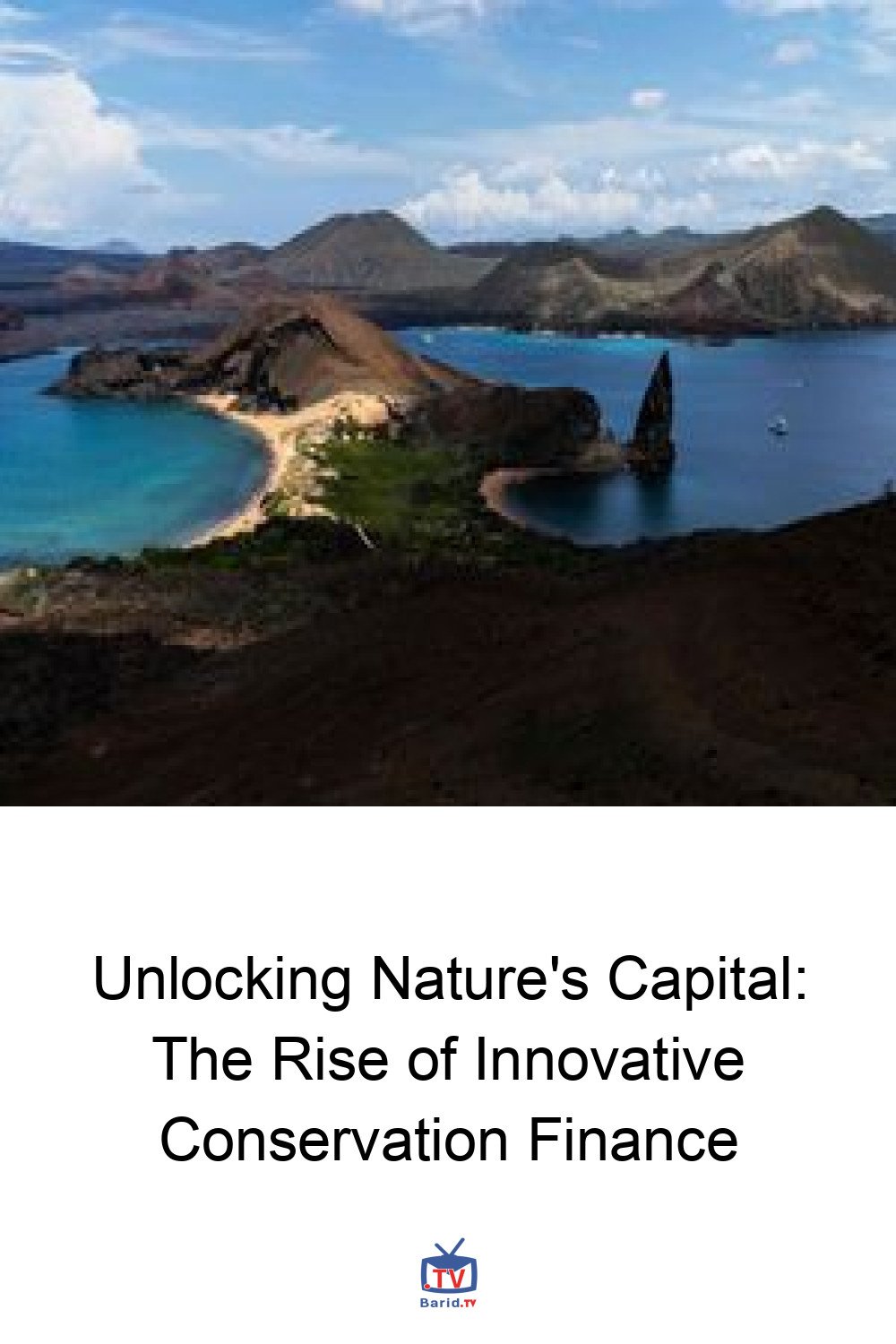
These deals have since scaled dramatically. Ecuador’s 2023 swap for the iconic Galapagos Islands is a testament to this evolution. By acquiring approximately $1.6 billion of its bonds for $656 million, the deal effectively unlocked around $450 million specifically for conservation efforts in the unique archipelago. Historically, many of the largest swaps were underpinned by political risk guarantees, often from the U.S. government, which assured investors against payment interruptions. While this safeguard temporarily receded, renewed private sector interest, exemplified by Legal & General’s commitment of up to $1 billion, signals a vibrant resurgence in this market.
Bonds for Biodiversity: Investing in Wildlife
Another innovative avenue attracting private capital is the issuance of conservation bonds. The World Bank’s “rhino bond,” launched in 2022, serves as an inspiring example. This pioneering instrument raised $150 million from investors who voluntarily forewent their interest payments—totaling about $9 million—to directly fund the protection of black rhinos in two South African national parks. Investors were promised their principal back in 2027, with an additional bonus of up to $13.8 million if the rhino population demonstrated measurable growth, linking financial returns directly to conservation success.
Beyond Swaps and Bonds: Diverse Financial Tools
The landscape of nature finance extends beyond these headline-grabbing deals. Funds, such as those championed by King Charles III, are channeling capital into companies that deliver both environmental benefits and commercial returns. Governments are increasingly implementing “payments for ecosystem services,” rewarding landowners or communities for conserving vital natural assets like forests and wetlands. Furthermore, environmental credits, akin to carbon offsets, allow for the trading of verified conservation outcomes, creating a market for ecological stewardship.
The Imperative: Bridging the Nature Funding Gap
Despite these promising innovations, the scale of the challenge remains immense. The market for nature finance is being built against an enormous and urgent funding gap. While private finance classified as nature-related has seen a significant surge, growing from $9.4 billion in 2020 to an estimated $102 billion in 2024, this impressive jump still leaves a vast amount of conservation unfunded. Experts like BloombergNEF suggest the debt swap market alone could eventually reach a staggering $1 trillion.
Navigating the Hurdles: Criticisms and Complexities
However, these financial instruments are not without their critics. Campaign groups like Debt Justice in Britain have highlighted that while debt-for-nature swaps offer some relief, their impact on national debt reduction—an average of 3% in analyzed cases—is often significantly less than that achieved through conventional debt restructurings, which can cut debt seven times more. Concerns have also been raised about the actual proportion of funds directed towards nature; a French advocacy group, for instance, calculated that Belize allocated $84 million of a $553 million deal to conservation, with the remainder covering debt repayment and fees.
The political landscape also plays a crucial role. The withdrawal of U.S. government political risk guarantees, which previously underpinned major swaps in countries like Ecuador, Belize, Gabon, and El Salvador, shifts a greater burden onto private investors. This necessitates finding conservation projects that can reliably deliver a financial return, a task complicated by fragmented data and the inherent difficulty in monetizing diffuse ecosystem outcomes, as noted by McKinsey. Ultimately, while markets excel at channeling money towards nature where a return can be extracted, they are less equipped to fund protection whose benefits are long-term, widespread, or inherently non-monetizable.
Conclusion: A Promising Path, But Not a Panacea
The burgeoning field of nature finance represents a critical evolution in our approach to environmental protection. By creatively leveraging private capital, these innovative instruments offer a powerful means to scale up conservation efforts and address the urgent biodiversity crisis. Yet, they are not a silver bullet. Acknowledging their limitations and integrating them within a broader strategy that includes robust public funding, policy reform, and a commitment to protecting non-monetizable natural assets will be essential to truly secure the future of our planet’s invaluable natural heritage.
For more details, visit our website.
Source: Link







Leave a comment