




Childhood memories often shape the adults we become, sometimes in profound ways we only understand decades later. For many, a single moment can plant a seed of self-doubt that blossoms into a lifelong struggle for authenticity. This is the story of such a moment, an eighth birthday memory that became a crucible for understanding the devastating cost of “watering yourself down” for the sake of external approval.
The Echo of a Childhood Silence
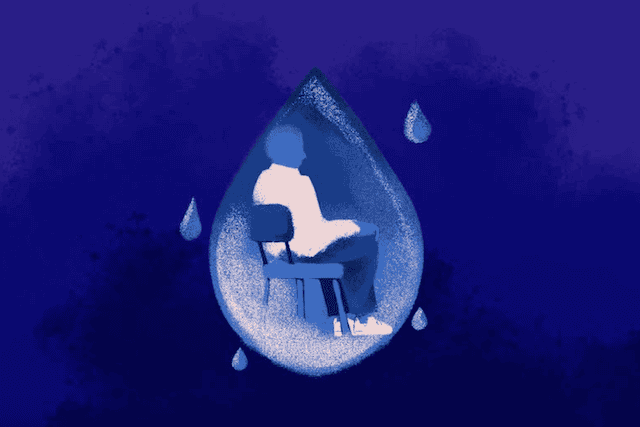
My eighth birthday dinner was not marked by the usual fanfare of cake or gifts, but by an indelible moment of profound emotional isolation. Seated around the dining table with my parents and uncle, I was a whirlwind of typical childhood exuberance, my energy spilling out in chatty enthusiasm. Then, abruptly, my uncle’s harsh words cut through the air: “Why are you talking? You’re just a kid. Nobody cares what you have to say.”
The immediate impact was visceral: my joy evaporated, replaced by a burning embarrassment. I turned to my parents, silently pleading for rescue, for validation, for them to affirm my right to speak. But their response was a deafening silence, averted gazes, and a continuation of their meal as if nothing had transpired. The heavy quiet that followed was more crushing than the reprimand itself. I remember the sickening sensation in my stomach, the heat in my chest, and the stark realization of being utterly alone in my humiliation.
Retreating to my room, tears flowed freely, a desperate wait for my mother to follow, to offer comfort and reassurance. But no one came. This second wave of devastation transformed my sadness into a furious rage, expressed in futile kicks against the walls, a desperate, unheard cry for acknowledgment. Exhaustion eventually brought sleep, but the seed of a profound fear had been sown.
The Thirty-Year Erosion of Self-Trust
It took years of introspection, professional guidance, and deep inner work to connect that painful evening to the genesis of a pervasive fear: the fear of being “too much.” In the absence of parental validation, my young mind concluded that my uncle must have been right. I was the problem. This pivotal moment initiated a three-decade-long erosion of self-trust, leading to a life lived on the defensive.
The Art of Performance and Hyper-Vigilance
As I matured, any perceived disconnect in a room, if unacknowledged by others, was immediately attributed to my own perceived flaws: too sensitive, too outspoken, too direct, too intense – simply, too me. To shield myself from further rejection, I learned to distrust my authentic voice. Instead, I became a master at scanning environments, meticulously curating my persona to fit in, to be liked, to belong. This adaptive strategy, while seemingly successful in fostering likeability and career advancement, came at an immense personal cost.
The Invisible Toll: Disconnection and Loneliness
The constant performance left me profoundly numb to my own needs and desires. I became adept at compartmentalizing my human experience, only allowing aspects I felt I could control to surface. This self-imposed emotional censorship severed my connection to genuine joy and pleasure, pushing me further from my true self. An exhausting pattern of hyper-vigilance became my default, only easing in the solitude of my own space.
Relationships Built on Armor
The most heartbreaking consequence was the impact on my relationships. My inability to embrace vulnerability meant I excelled at holding space for others, yet remained hidden behind an impenetrable armor. Years of observing others for survival made me highly attuned to their energies, but my “hyper-capable” facade inadvertently communicated that I required no care myself. The profound loneliness of rarely feeling truly seen became a heavy burden.
Unraveling the Threads of the Past
With the wisdom of age and maturity, I eventually understood that the silence at that dinner table was not a reflection of my inherent worth. My parents, products of a traditional lineage, prioritized family harmony and conflict avoidance as a survival mechanism. My uncle, meanwhile, adhered to a belief that children, particularly girls, should be seen and not heard. Their actions, though impactful, stemmed from their own ingrained “rules of engagement,” not a judgment of my intrinsic value.
This realization was liberating. While I don’t blame them for the internal landscape it created, I recognized how those inherited rules had become profoundly limiting. As an adult, the fear of visibility kept me small, quiet, and perpetually frustrated. To escape this painful shrinking, I retreated from my emotional body, living predominantly from my intellect, where I could perfect the performance of being a “good me” and protect myself from the deep longing to simply be my authentic self. Society, too, reinforced this narrative; in a culture valuing productivity and accommodation, overriding personal needs could easily be mistaken for success. I had learned to make myself acceptable to the world.
For more details, visit our website.
Source: Link








Leave a comment