





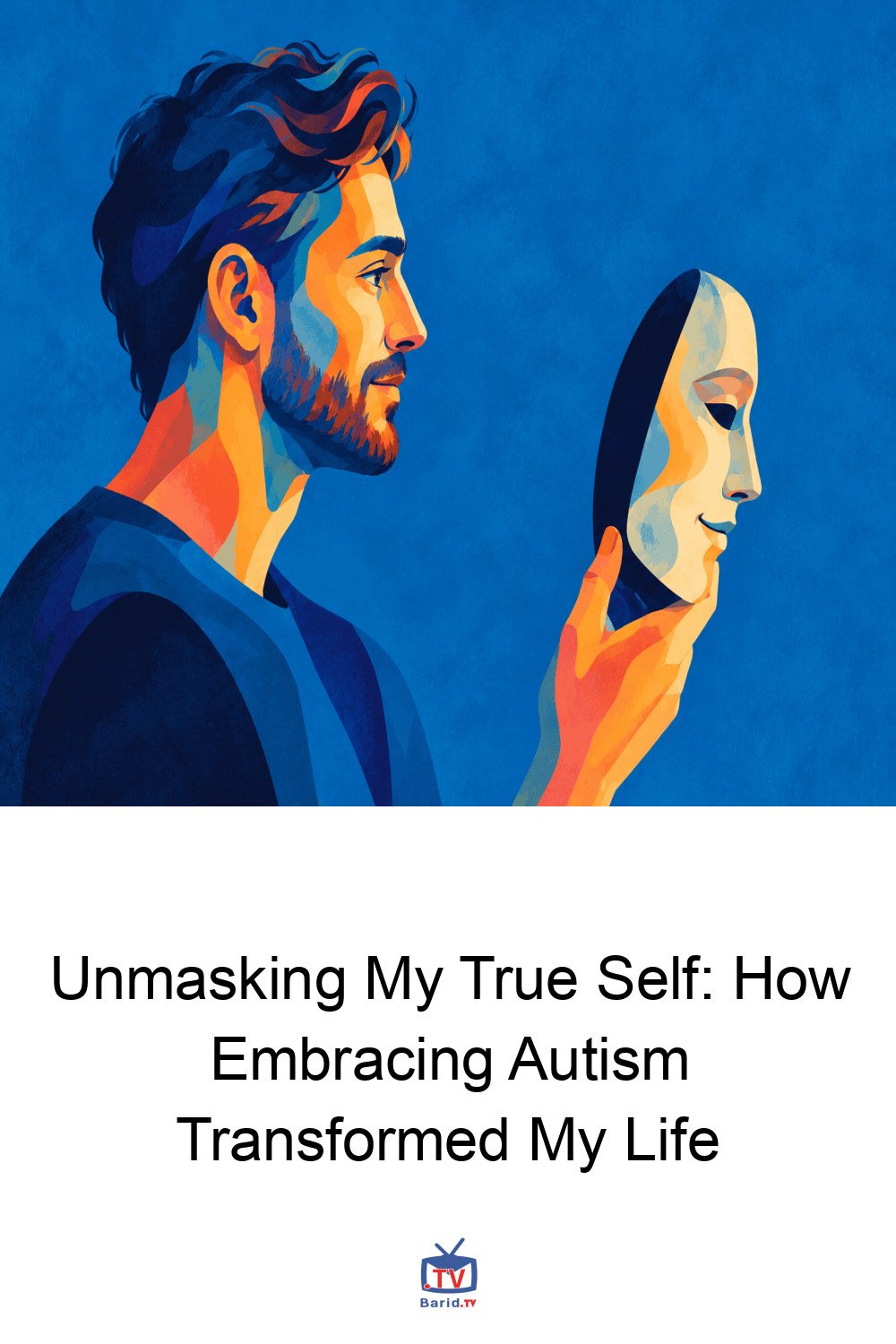
For the better part of my life, I held down a demanding, unpaid, and utterly exhausting second full-time job. Its title? Pretending to be normal. As an autistic individual, a diagnosis I didn’t always have the language for in my formative years, I instinctively knew one profound truth: I was different, and difference, in the eyes of childhood peers, was a vulnerability. Taunts, bewildered stares, and questions like, “Are you from another planet?” were early lessons in the perceived danger of my authentic self.
The Rigorous Curriculum of ‘Normal’
Like many children facing social ostracization, I internalized the problem, believing it lay squarely with me. My solution was to embark on an intense, self-imposed curriculum to “fix” myself. I became an astute observer of human behavior, studying social interactions with the diligence of a student cramming for a crucial exam. I meticulously noted group dynamics, the precise timing of laughter, the acceptable duration of eye contact. I committed jokes to memory and practiced a repertoire of facial expressions in the mirror. Conversations became a complex set of traffic laws: ask questions, never interrupt, and, crucially, never dwell too long on the subjects that truly captivated me.
The insidious part? I became remarkably good at it. For years, I could enter a room and deliver a performance of “normalcy” so convincing that few, if any, suspected the elaborate charade. I mastered small talk, offered appropriate laughs, and nodded along in agreement. But the cost was immense. Each social engagement felt like an unscheduled marathon, leaving me utterly depleted, collapsing at home, completely spent.
The Heavy Burden of Masking
This relentless performance, though I lacked the term then, is known as masking. It’s the act of presenting a version of yourself deemed acceptable by others, often at the profound expense of your true identity. Every social interaction morphed into a theatrical production, every conversation a perilous tightrope walk. The fear was constant: what if the costume slipped? What if someone saw the real me and deemed me unworthy of connection?
The Slow Burn of Authenticity Suppression
The inevitable burnout didn’t arrive with a sudden crash but crept in insidiously. It began as a bone-deep weariness after even the most ordinary days, gradually evolving into a heavier, more pervasive dread. Activities I once cherished lost their appeal. Phone calls went unanswered, invitations piled up, and plans were cancelled not out of disinterest in people, but from the sheer, overwhelming thought of another three-hour performance. I rationalized it, telling myself I was lazy, that everyone felt this way, and that I simply needed to “try harder.”
The irony was bitter: “trying harder” was precisely the problem. I had been trying harder than most for years, and it was systematically dismantling me. The cruel paradox of pretending to be someone else is that it works just well enough to keep you trapped. I was functional, I maintained composure in public, so no one perceived a crisis. They saw a quiet, perhaps slightly tired, individual. And because I appeared fine, I believed I should be fine, continuing to suppress my true feelings beneath a veneer of performance.
A Gentle Unveiling: The Path to Self-Acceptance
The turning point wasn’t a dramatic lightning bolt of revelation. Instead, it was a slow, persistent leak – the dawning realization that I faced a stark choice: continue this miserable charade for the rest of my life, or bravely step away and discover what lay beyond. The initial steps were small, almost imperceptible acts of rebellion against my self-imposed rules.
- I stopped forcing eye contact that felt like staring directly into the sun.
- I ceased laughing at jokes I found genuinely unfunny.
- I allowed myself to stim – a gentle rocking, the fidgeting of my hands – natural bodily expressions I had long suppressed out of shame.
- Crucially, I stopped apologizing for my need for quiet. For years, I had framed my need for solitary recharging as a character flaw, a confession: “Sorry, I’m just tired,” or “Sorry, I need to head out early.” I dropped the apologies. I simply needed quiet. And that, I realized, was perfectly acceptable.
The Unexpected Rewards of Authenticity
A remarkable thing happened: the world didn’t collapse. No one staged an intervention because I refrained from discussing the weather. Some friendships, those built solely on my carefully constructed performance, naturally withered – and, in hindsight, good riddance. But the genuine connections, the real friendships, deepened and flourished. It turns out, people can sense when you’re performing, and it’s far more challenging to connect with someone behind a mask than with someone who is awkwardly, genuinely themselves.
The most profound transformation occurred internally. For the first time in decades, I wasn’t expending every waking hour monitoring myself. Imagine carrying a heavy backpack everywhere for twenty years and finally, blissfully, setting it down. That’s the visceral relief of dropping the mask. My shoulders relaxed, my jaw unclenched. I found I had energy left at the end of the day – energy I could now invest in activities I genuinely enjoyed, rather than merely recovering from those I had endured.
I began to discern my authentic preferences, rather than what I believed I should like. I stopped forcing myself into loud, crowded environments to prove my resilience, opting instead for the quiet solace of a coffee shop, a solitary walk, or an evening with a cherished friend over a party with dozens of acquaintances. My life, in some respects, became smaller, yet infinitely richer.
Living Unmasked: An Ongoing Journey
Accepting my autistic identity wasn’t a magic cure-all. I still navigate challenging days. Sensory overload remains a potent reality – a harsh fluorescent light or a chaotic room can still overwhelm me. But now, when these moments arise, I don’t compound the difficulty with a layer of shame. I no longer think, “What’s wrong with me?” Instead, I acknowledge the reality of my experience and seek ways to manage it with self-compassion and understanding.
For more details, visit our website.
Source: Link







Leave a comment