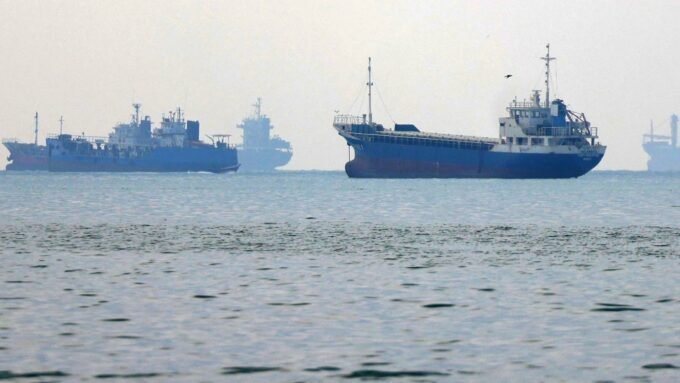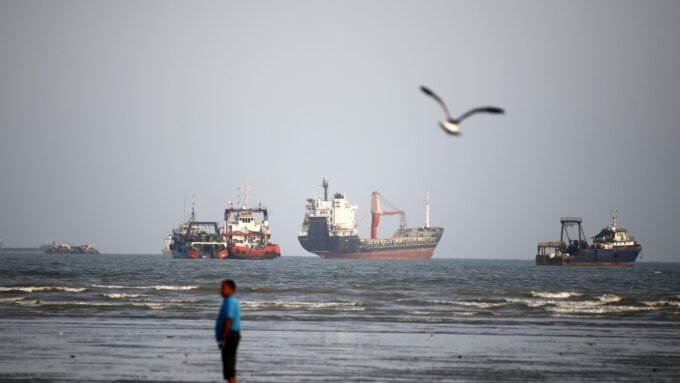

The strategic Strait of Hormuz, a vital artery for global energy supplies, is once again a flashpoint of escalating tensions between the United States and Iran. What was once perceived as a fragile ceasefire has now crumbled, giving way to the most intense naval confrontations in months and raising fears of an undeclared war in one of the world’s most critical maritime chokepoints.
A Week of Escalation: US Strikes and Iranian Provocations
The past week has witnessed a dramatic uptick in military activity, with the U.S. military launching three significant rounds of strikes. These actions, according to Central Command, were a direct response to Iranian assaults on commercial shipping and aimed at safeguarding the crucial Omani coastal transit route. In a concerted effort to “degrade Iran’s ability to attack civilian mariners and commercial vessels freely transiting the strait,” U.S. forces reportedly struck approximately 300 targets.
Saturday’s Major Offensive
The most substantial offensive occurred late Saturday, targeting an estimated 140 Iranian military sites. These included critical missile and drone facilities, naval assets, ammunition depots, communication networks, and coastal surveillance outposts, as confirmed by Central Command. Concurrently, Iran has broadened its regional aggression, reportedly attacking Gulf Arab nations such as Bahrain, Kuwait, Qatar, Jordan, and Oman, marking the most widespread fighting since April.
The Battle for Control: Freedom of Navigation vs. Iranian Claims
Despite Tehran’s assertions that the Strait of Hormuz is once again closed, the U.S. has vehemently refuted these claims. Central Command declared on Sunday, “U.S. forces are positioned and prepared to ensure that freedom of navigation remains available despite unwarranted Iranian aggression, harassment, threats, and arbitrary declarations. Iran does not control the strait. Traffic is flowing.” Since early May, U.S. forces have played a pivotal role in facilitating the safe passage of over 800 commercial vessels and 400 million barrels of crude oil through the strait.
Conversely, Iran maintains that a memorandum of understanding (MOU) signed with the U.S. last month grants it the authority to regulate ship traffic. This interpretation has led to attacks on vessels that deviate from a regime-backed corridor along the Iranian coast, intensifying the standoff. Ship-tracking data indicates a noticeable decline in crossings along the U.S.-defended Omani route following Iran’s recent aggressions.
The ‘Ceasefire Facade’ and Echoes of Past Conflicts
The current volatile situation has led experts to question the efficacy of the recent ceasefire. Sal Mercogliano, a Campbell University professor specializing in military and maritime history, views the recent fighting as an “ominous sign,” attributing it to ambiguities and flaws within the MOU. “I have a feeling that this could go poop very fast, and that’s the fear once you unleash the dogs of war,” he remarked in a recent online post. Mercogliano critically labeled the ceasefire deal a “facade,” warning of further escalation.
He drew parallels to the “tanker war” of the 1980s, where the U.S. Navy defended commercial vessels from Iranian attacks, a conflict that he argues set off a decades-long chain reaction of Middle East involvement, culminating in the current “Iran war.” “And it’s been a facade for quite a while,” he added, expressing concern that “we’re finding ourselves in this undeclared naval war. And an undeclared naval war can escalate.”
Economic Leverage and Diplomatic Impasse
Iran’s persistent aggression in the Strait is rooted in its desire to preserve its primary source of leverage: the ability to disrupt Hormuz traffic, thereby impacting global oil markets. While Iran has struggled to defend against U.S. retaliatory airstrikes, the U.S. has similarly been unable to fully restore free navigation through military force alone, protect all ships, or deter Tehran’s drone and missile launches.
With neither side yielding, prospects for fully restoring unrestricted navigation appear dim. Mediators are now exploring compromise solutions. Oman has reportedly proposed a two-corridor system for managing strait traffic: a southern route through Omani territorial waters and a northern route through Iranian waters.
US Military Presence and the Threat of Blockade
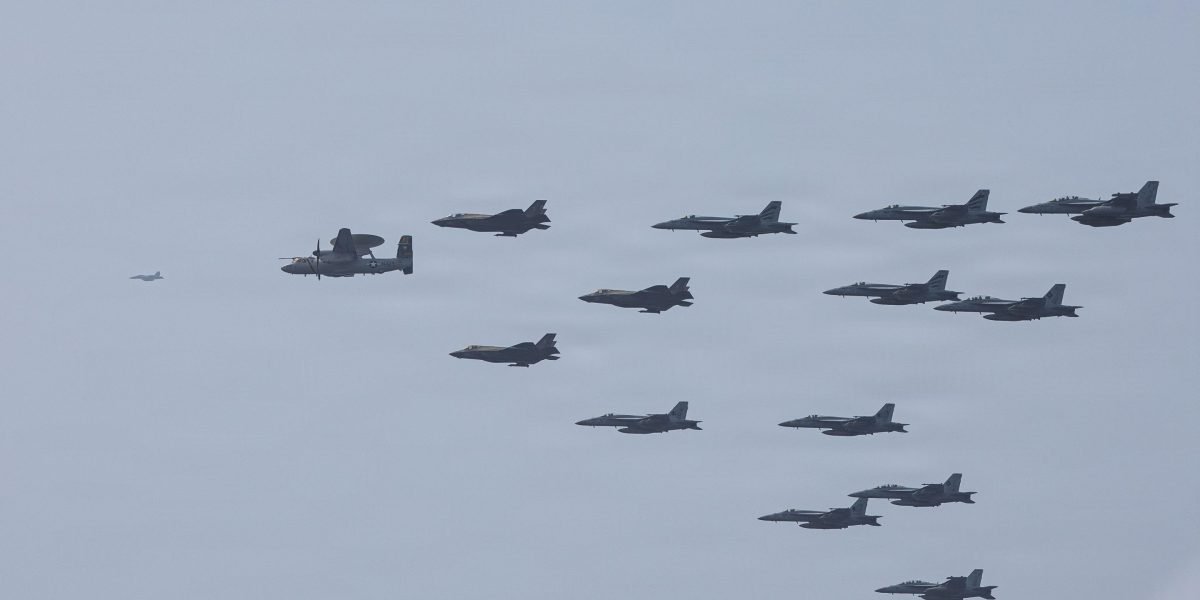
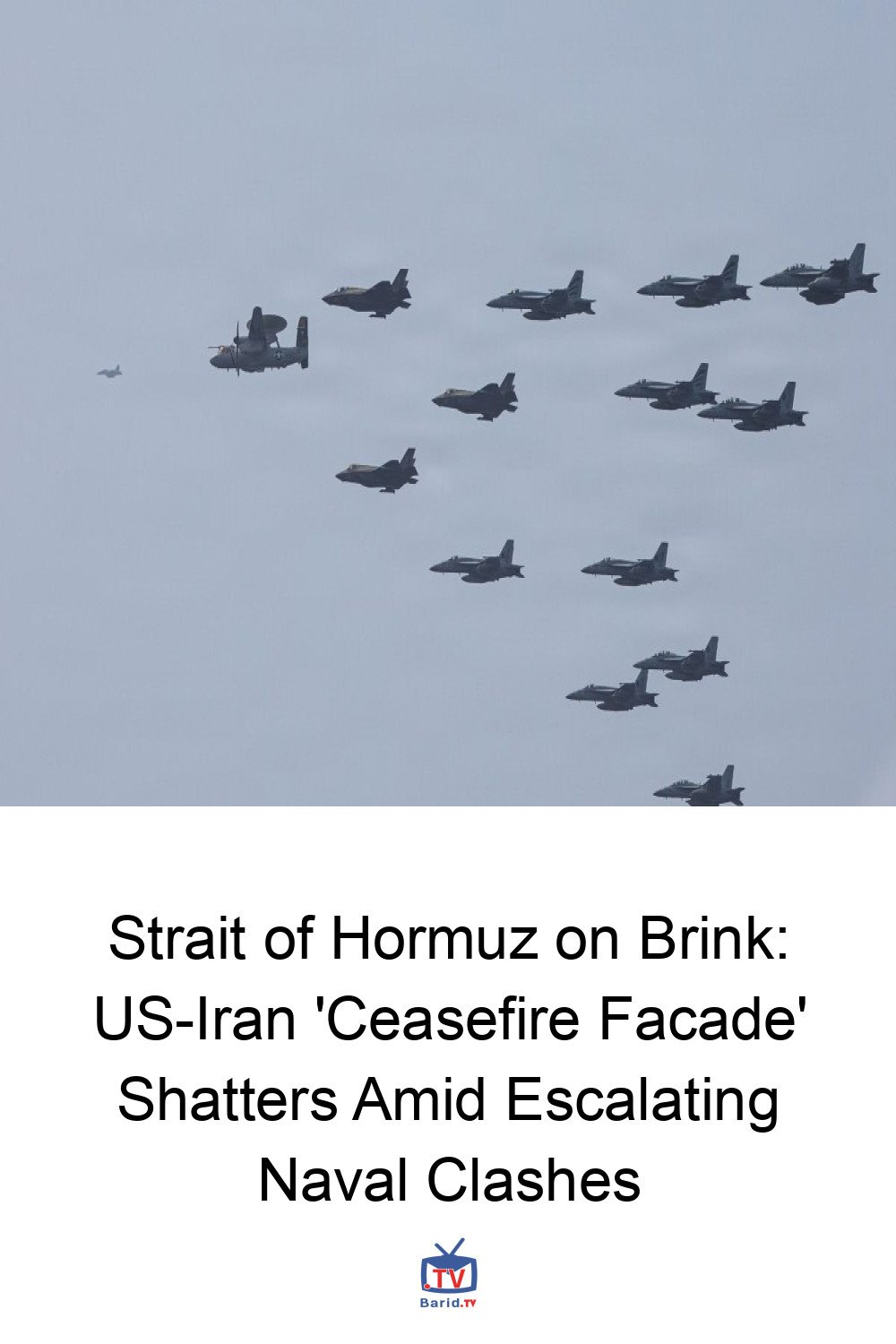
The U.S. is maintaining a robust military presence, with Central Command reporting 20 Navy warships patrolling Middle Eastern waters. The command recently showcased its operational freedom by conducting close-formation transits of warships and aircraft in the Arabian Sea.
President Donald Trump, while expressing reluctance for an all-out war, has indicated he would consider reimposing a naval blockade. A previous blockade, in effect from mid-April to mid-June, proved highly effective, redirecting 139 ships and disabling nine. This measure severely curtailed Iran’s oil revenue, crippling an already struggling economy.
Senior Iranian officials reportedly conveyed to the Supreme Leader that the blockade was “crushing the economy.” President Masoud Pezeshkian warned of dire economic conditions and threatened resignation if a ceasefire deal wasn’t approved, according to the New York Times. The head of Iran’s central bank further cautioned that the country faced a severe budget crisis, was unable to sell oil at necessary volumes via alternative routes, and would deplete critical food and medical supplies by late August if the blockade persisted.
As the ‘facade’ of peace dissipates, the Strait of Hormuz remains a powder keg, with global implications for energy security and regional stability. The delicate balance of power and the high stakes involved underscore the urgent need for a sustainable resolution to this escalating undeclared naval war.
For more details, visit our website.
Source: Link