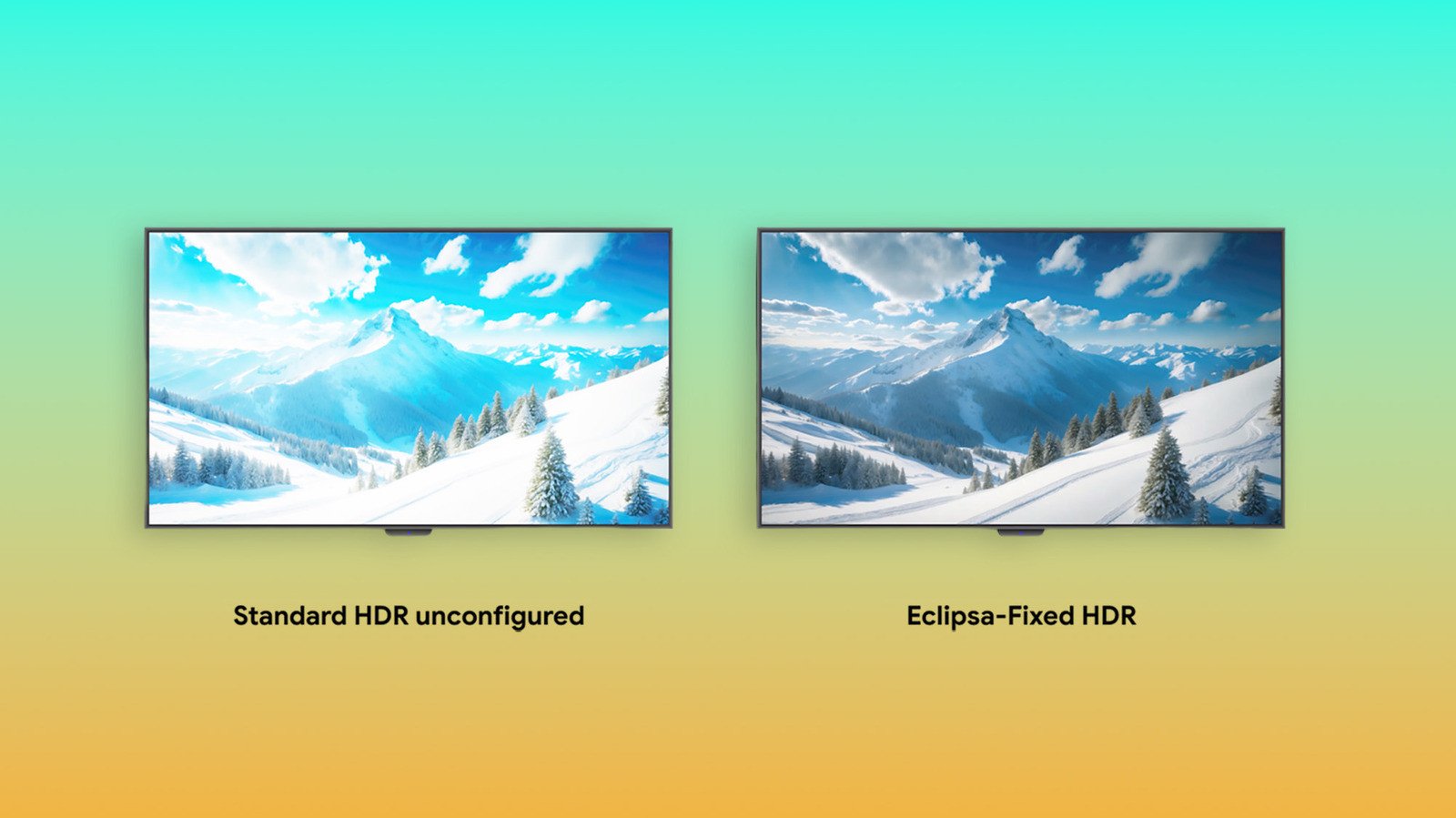

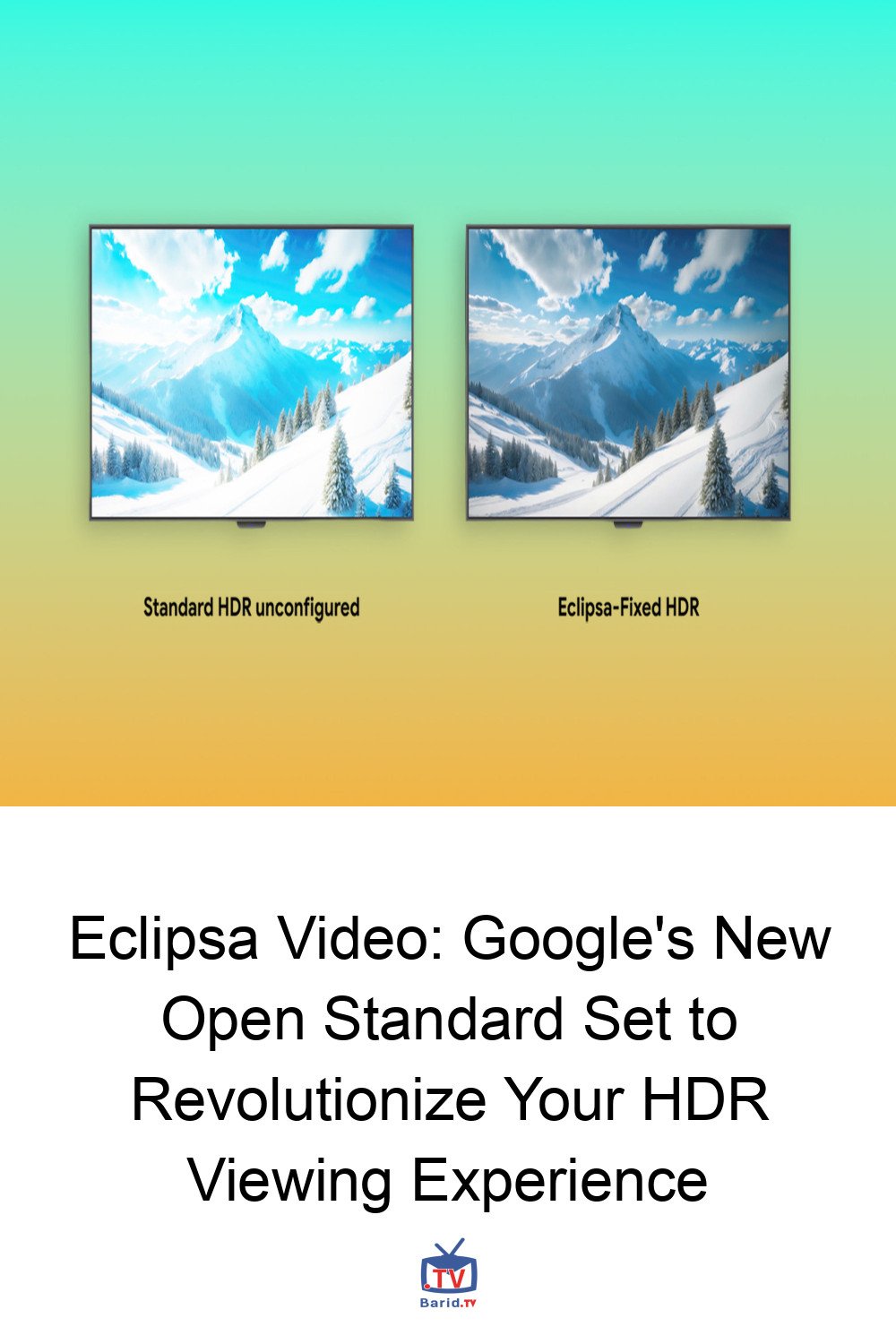
High Dynamic Range (HDR) technology has undeniably transformed our visual entertainment, offering breathtaking brightness and a vibrant spectrum of colors. Yet, its promise often falters in practice, with content appearing drastically different across various screens. A cinematic masterpiece on a premium television can become a muddy mess on a smartphone or suffer from glaring highlights in a dimly lit room. This frustrating inconsistency is precisely the challenge Google’s new open standard, Eclipsa Video, aims to conquer, promising a viewing experience that’s not just better, but consistently brilliant.
Eclipsa Video: The Quest for Consistent HDR
Eclipsa Video emerges as a beacon of hope in the often-unpredictable world of HDR. Developed by Google in collaboration with industry giants like Apple and NBCUniversal, this innovative open standard (officially known as SMPTE ST 2094-50) is engineered to ensure HDR content renders predictably and optimally, regardless of the device, application, or even the ambient lighting conditions in your environment. Google’s vision for Eclipsa Video is clear: to make HDR look “consistent, balanced and comfortable on every screen.”
How Eclipsa Video Elevates Your Viewing
The core of Eclipsa Video‘s ingenuity lies in its sophisticated approach to display instructions. Unlike simpler HDR formats, Eclipsa provides a more flexible and dynamic set of guidelines for how screens should interpret and present video content. This includes granular control over brightness, contrast, and highlight rendition as the video unfolds. Crucially, it takes into account the specific capabilities of your display and, on compatible devices, can even adapt the picture based on the real-time lighting in your room. The objective is to eliminate common HDR pitfalls such as crushed shadows, clipped highlights, washed-out tones, and jarring brightness spikes, ultimately allowing HDR and Standard Dynamic Range (SDR) content to coexist seamlessly on the same screen.
The Metadata Magic Behind Eclipsa
Eclipsa Video achieves its remarkable adaptability through what Google describes as “two clever pieces of metadata.”
- White Reference Anchor: This establishes a fundamental baseline, a ‘white reference,’ which is crucial for accurately mapping the brightest elements of SDR content. It then intelligently reserves additional brightness headroom specifically for HDR videos, ensuring they pop without over-saturating.
- Headroom-Adaptive Gain Curves:
This innovative feature allows content creators to embed custom instructions directly within the video file. If your display’s inherent brightness capabilities don’t quite match the video’s requirements, these gain curves provide precise guidance, instructing the screen on how to adjust its output to achieve the creator’s intended visual effect.
Eclipsa Video vs. The HDR Titans: Dolby Vision and HDR10
When placed alongside established HDR formats like Dolby Vision and HDR10, Eclipsa Video carves out its own distinct niche.
- Dynamic Metadata: In its adaptive nature, Eclipsa shares a kinship with Dolby Vision. Both formats leverage dynamic metadata, which means the picture information can change scene-by-scene or even frame-by-frame, allowing for real-time adjustments to optimize the viewing experience. HDR10, by contrast, traditionally relies on static metadata, applying a single set of instructions to the entire video. (It’s worth noting that the newer HDR10+ variant has adopted dynamic metadata, bridging some of this gap.)
- Open Standard vs. Proprietary: A significant differentiator is openness. Eclipsa Video, much like HDR10, is built upon an open standard, fostering broader adoption and innovation across the industry. Dolby Vision, however, operates as a proprietary format, requiring licensing fees and specific hardware implementations.
The Road Ahead for Eclipsa Video
The future looks bright for Eclipsa Video, with platform-wide support for both playback and capture slated for Android 17. This means we can expect to see it integrated into a wide array of devices, from smartphones and tablets to smart TVs. However, as with any emerging video format, its widespread success and availability will ultimately hinge on the crucial support of device manufacturers, streaming applications, and content providers. Should these key players embrace Eclipsa Video, it truly has the potential to redefine our expectations for consistent, high-quality HDR entertainment.
For more details, visit our website.
Source: Link