
Savoring Venezuela: The Irresistible Cachapas
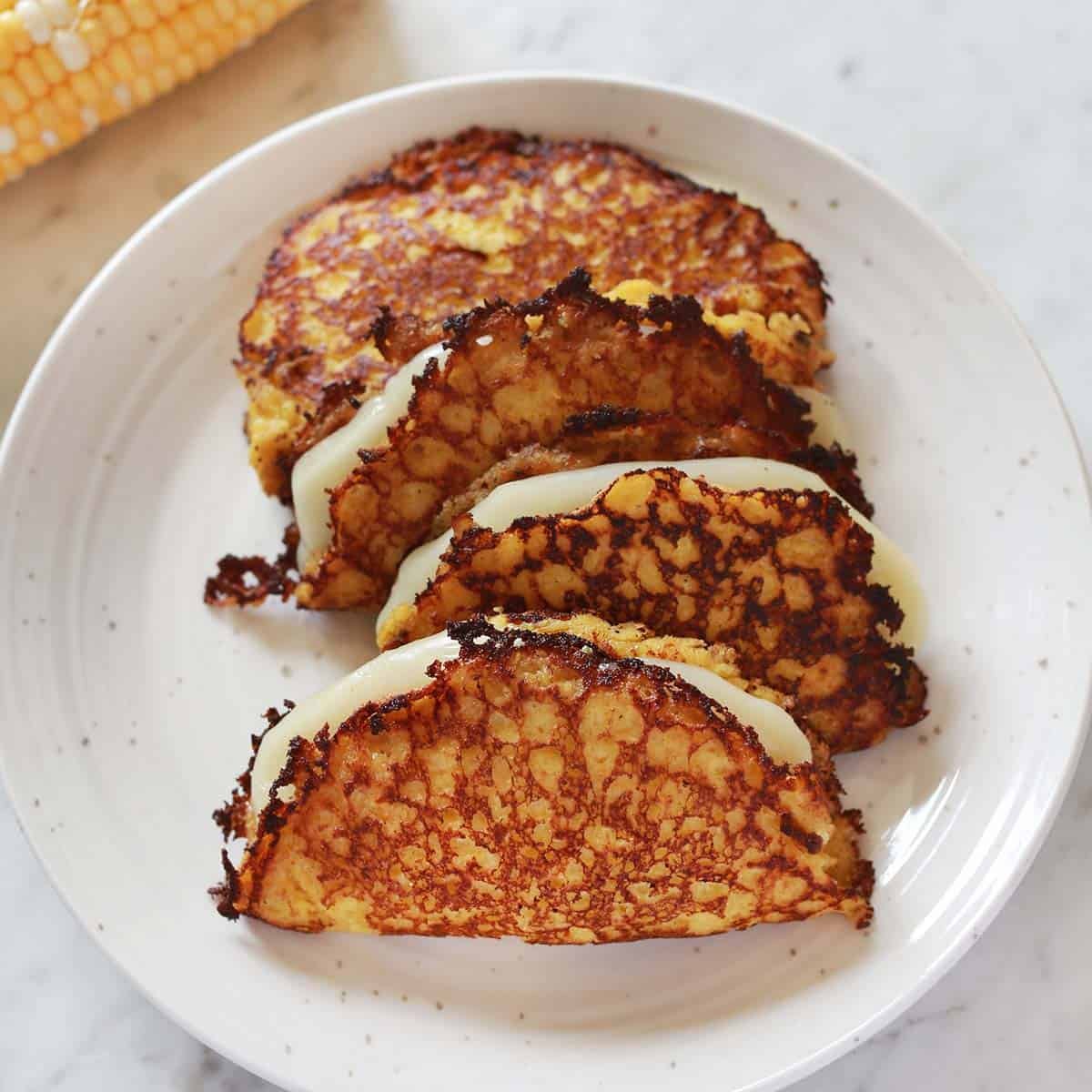
Step into the heart of Venezuelan culinary tradition with Cachapas, a delightful dish that perfectly balances sweet and savory flavors. Often described as Venezuelan corn pancakes, these golden discs are a testament to simple ingredients creating extraordinary taste. For me, preparing Cachapas is more than just cooking; it’s a cherished connection to my heritage, a culinary bridge to my beloved Venezuelan grandmother.
My mother, born in Venezuela, instilled in me a deep appreciation for her homeland’s cuisine. Though my grandparents have passed, the echoes of their kitchen live on through recipes like Cachapas, Hallacas, and Flan. It’s a beautiful way to keep their memory vibrant, one delicious bite at a time.
What Exactly Are Cachapas?
At their core, Cachapas are thick, tender pancakes made primarily from fresh corn and masarepa (a type of pre-cooked corn flour also used for arepas). Unlike typical breakfast pancakes, Cachapas boast a unique sweet-savory profile, making them incredibly versatile. Traditionally, they are served folded over a generous slice of “queso de mano,” a soft, fresh Venezuelan cheese, creating a warm, gooey center that melts in your mouth.
They are surprisingly easy to master and make for an excellent light meal, a sophisticated appetizer, or a unique brunch option that will undoubtedly impress.
Essential Ingredients for Authentic Cachapas
Crafting these Venezuelan delights requires just a handful of fresh ingredients. Here’s what you’ll need:
- Corn:
2 cups (from 2-3 ears of fresh corn, or high-quality frozen corn for convenience). Fresh corn offers the best flavor and texture.
- Masarepa: ⅓ cup (arepa flour, either yellow or white will work). This specialized flour gives Cachapas their characteristic texture.
- Egg: 1 large egg, to bind the batter.
- Milk: ¼ cup, to achieve the perfect consistency.
- Salt: ½ teaspoon, to enhance the savory notes.
- Granulated White Sugar: ½ teaspoon, to bring out the corn’s natural sweetness.
- Cheese: 6-8 ounces of Queso de Mano (traditional) or low-moisture Mozzarella (an excellent, widely available substitute).
- Cooking Fat: Oil and butter, for a golden, crispy finish.
Mastering the Art of Cachapa Making
Follow these steps to create perfect Cachapas every time:
Step 1: Prepare the Corn Batter
- If using fresh corn, carefully cut the kernels away from the cob.
- In a blender or food processor, combine the corn and puree until it’s mostly smooth. A few small chunks are fine and add texture.
- Add the masarepa, egg, milk, salt, and sugar to the corn mixture. Blend again until the batter is mostly smooth and well combined.
- Allow the batter to rest for 5 minutes. This helps the masarepa hydrate and the flavors meld.
Step 2: Prepare the Cheese
While the batter rests, prepare your cheese. Slice or grate the queso de mano or mozzarella into small rectangles or half-moons. These pieces should be easy to fold into the cooking cachapas.
Step 3: Cook the Cachapas
- Heat a non-stick skillet over medium-high heat. Add a small amount of butter and oil. The combination helps prevent sticking and adds flavor.
- Pour approximately 1/6 of the batter into the center of the hot skillet. Use a rubber spatula to gently shape the edges if the batter spreads too thin.
- Cook for 1-2 minutes. You’ll notice bubbles forming on the surface, much like traditional pancakes.
- Using a sturdy metal spatula, carefully flip the cachapa. (Don’t worry if your first one isn’t perfect; consider it a test run!)
- Allow the cachapa to cook on the second side for another 1-2 minutes until golden brown.
- Flip the cachapa back to its original, already cooked side. Place a slice or two of your prepared cheese onto one half of the cachapa.
- Fold the cachapa in half, enclosing the cheese. Cook for an additional minute to allow the cheese to melt into a warm, gooey center.
- Remove the finished cachapa to a plate or cutting board and cover it to keep warm while you cook the remaining batter.
Journalist’s Pro Tips for Perfect Cachapas
- Spatula Savvy: I find a combination of spatulas invaluable. A rubber spatula is excellent for shaping the batter as it cooks and for gently folding the cachapas over the cheese. A more rigid metal spatula is ideal for confident flipping.
- Cheese Choice: While traditional queso de mano is fantastic, it can be hard to find. Low-moisture mozzarella, sold in a block, is a superb substitute. Avoid high-moisture mozzarella, as it can release too much water, making your cachapas soggy and difficult to handle.
- Keeping Warm: Since you’ll likely cook these in batches, keep your finished cachapas warm by placing them on a large cutting board and covering them with a large glass mixing bowl. This not only retains heat but also encourages the cheese to melt even further.
- Griddle vs. Skillet: While a griddle works similarly to pancakes, I prefer a skillet with a touch of butter and oil. This method yields deliciously crispy edges, which I find enhances the overall experience.
Embrace the joy of Venezuelan cooking with these delightful Cachapas. They are more than just a recipe; they are a taste of tradition, a memory, and a truly satisfying culinary experience.
For more details, visit our website.
Source: Link