




The Secret Lives of Vegetables: Unearthing History, Culture, and Biodiversity on Our Plates
There’s a certain magic that descends with late summer. The days stretch long, the garden overflows with bounty – crimson tomatoes heavy on their vines, squash appearing almost faster than they can be gathered. It’s a season ripe for celebration, for gathering friends around a table laden with nature’s generosity. This sentiment recently resonated deeply during a friend’s milestone birthday, celebrated amidst the vibrant outdoor setting. It struck me then: there’s a beautiful parallel between reaching middle age and witnessing the late-summer harvest. Both invite a moment of profound reflection, a taking stock not just of accomplishments, but of the rich tapestry of growth – the friendships forged, memories collected, challenges overcome, and unexpected turns that weave together a unique personal biodiversity, a vibrant ecosystem of life’s influences.
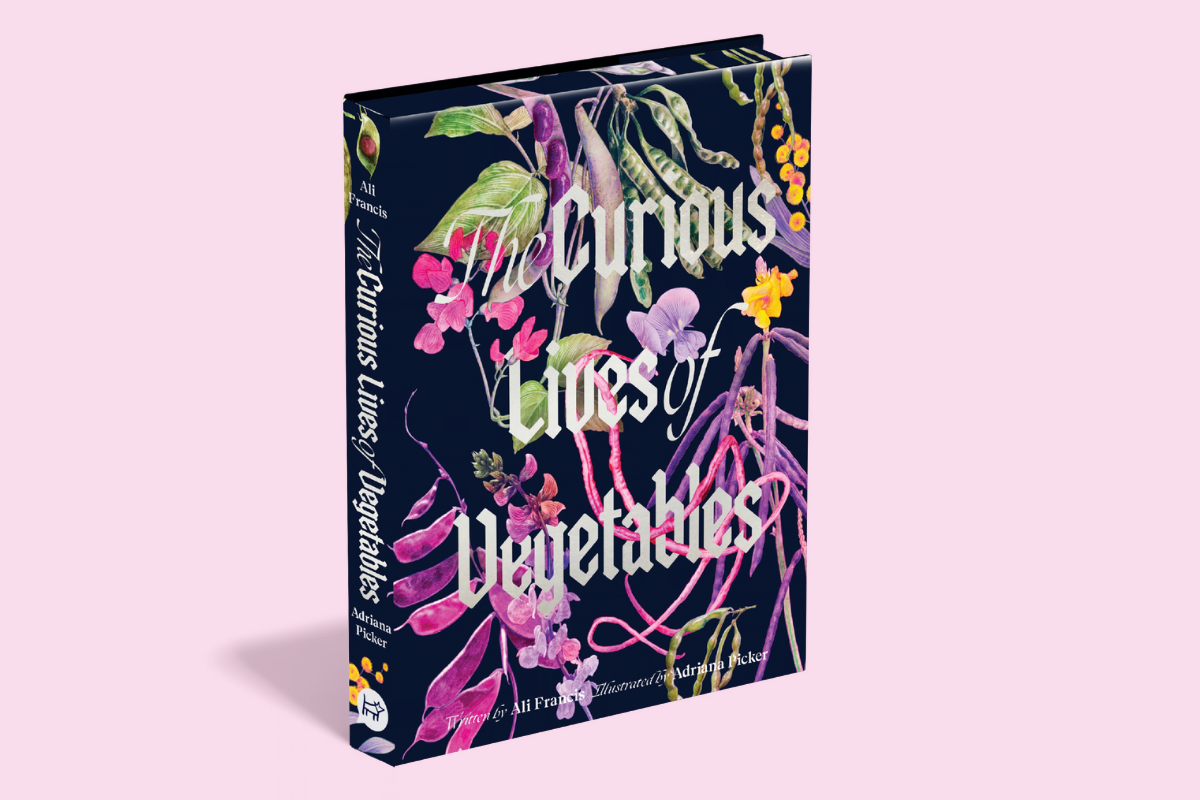
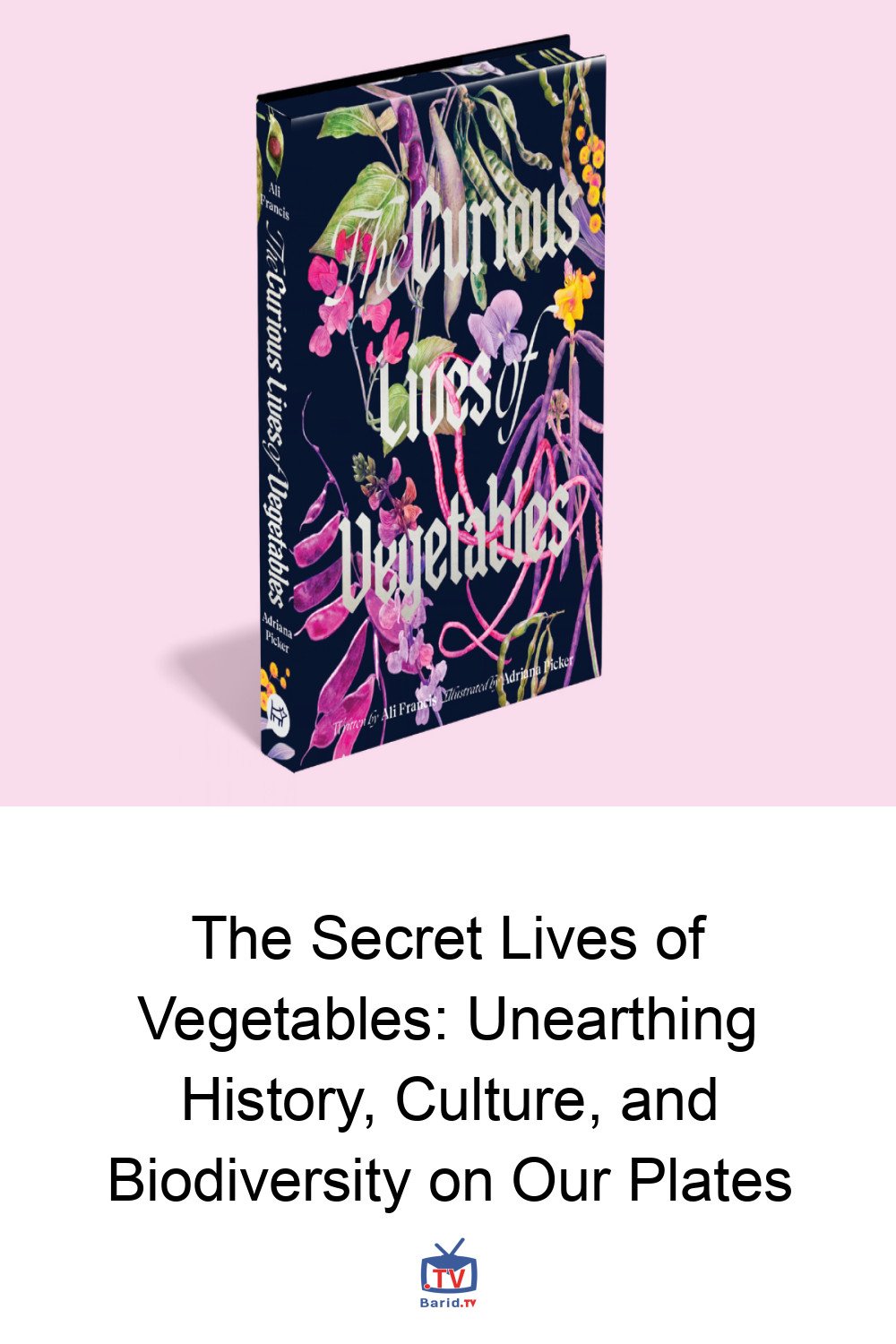
This very spirit of deeper appreciation for the familiar is at the heart of The Curious Lives of Vegetables, a captivating new book by food journalist Ali Francis, beautifully complemented by botanical illustrations from Adriana Picker. Released on September 15th, this isn’t just a book about vegetables; it’s an invitation to look more closely, to uncover the hidden narratives beneath the surface of our everyday meals.
Beyond the Plate: Unearthing Vegetable Histories
What makes a book truly special is its ability to transform the ordinary into something newly mysterious. Much like Mark Kurlansky’s seminal work, Salt: A World History, which revealed the astonishing global impact of a ubiquitous kitchen staple, Francis embarks on a similar journey with vegetables. Kurlansky showed how salt intertwined with trade, preservation, politics, and civilization itself. Francis, in turn, peels back the layers of the vegetables we presume to know, exposing their profound connections to human history and culture.
On the surface, our modern food landscape appears boundless. Sushi is globally accessible, and strawberries grace our winter tables. Yet, beneath this veneer of abundance lies a startling truth: a dramatic narrowing of what we actually cultivate and consume. Over 90% of crop varieties documented in the early 20th century have vanished, taking with them invaluable genetic diversity. Of the tens of thousands of edible plants on Earth, humanity relies on a remarkably few; three crops—rice, maize, and wheat—alone account for roughly 60% of the world’s plant-derived calories. It’s a peculiar paradox: more choice in the supermarket, yet significantly less diversity in the field.
A Deeper Look at What We Eat
This is precisely where The Curious Lives of Vegetables becomes an indispensable read. Francis meticulously profiles over 125 vegetables, many of them rare, heirloom, or historically overlooked varieties. She traces their journeys through culture, science, migration, agricultural evolution, and shifting culinary tastes. We might think we know a tomato, but Francis unveils its epic story. We might take a carrot for granted, until we delve into its evolutionary path, its myriad varieties, and the historical choices that elevated some to ubiquity while others teetered on the brink of extinction.
Vegetables, it turns out, are far more than mere ingredients. They are living archives, recording human movement and ingenuity, embodying cultural memory, reflecting critical biodiversity, and participating in an intricate global food system. A humble vegetable on our dinner plate can simultaneously serve as a profound window into centuries of cultivation and cultural exchange. Adriana Picker’s exquisite botanical illustrations further enrich this journey, elevating these edible plants with the reverence of a portrait rather than the cold precision of a scientific diagram, inviting readers to appreciate their inherent beauty and complexity.
The Radical Act of Seed Saving
The more we grasp the intricate history of our food, the harder it becomes to take its present abundance for granted. Biodiversity isn’t an abstract environmental concept; it’s quite literally on our plates. Preserving heirloom and unusual varieties extends far beyond the novelty of an unexpected dinner ingredient. It’s about safeguarding genetic diversity, perpetuating invaluable cultural knowledge, and keeping future possibilities alive for our planet and our palates.
This profound idea has taken a wonderfully unexpected turn in my own home. My partner, a middle-aged skater punk whose natural inclination once leaned more towards flipping through Thrasher magazines or sifting through LPs at a flea market, has now enthusiastically embraced his “Seed Savers catalog phase.” His rebellious spirit remains undimmed, but it’s now channeled into cultivating obscure pepper varieties and championing native plant life. For millennia, the simple act of saving seeds from one harvest to replant in the spring was the very bedrock of human survival. Yet, over the past century, shifts in agriculture, seed ownership, and intellectual property laws have rendered the question of who can save, share, and grow certain seeds increasingly complex.
In this modern context, the simple act of saving a seed feels almost radical: a deliberate choice to preserve a small piece of one season, ensuring the continuation of the next. Indeed, in the state of Maine, this very idea became constituti
For more details, visit our website.
Source: Link








Leave a comment