
Google’s Rapid Retreat: Earth AI Feature Lasts Just One Day Amid Misinformation Fears
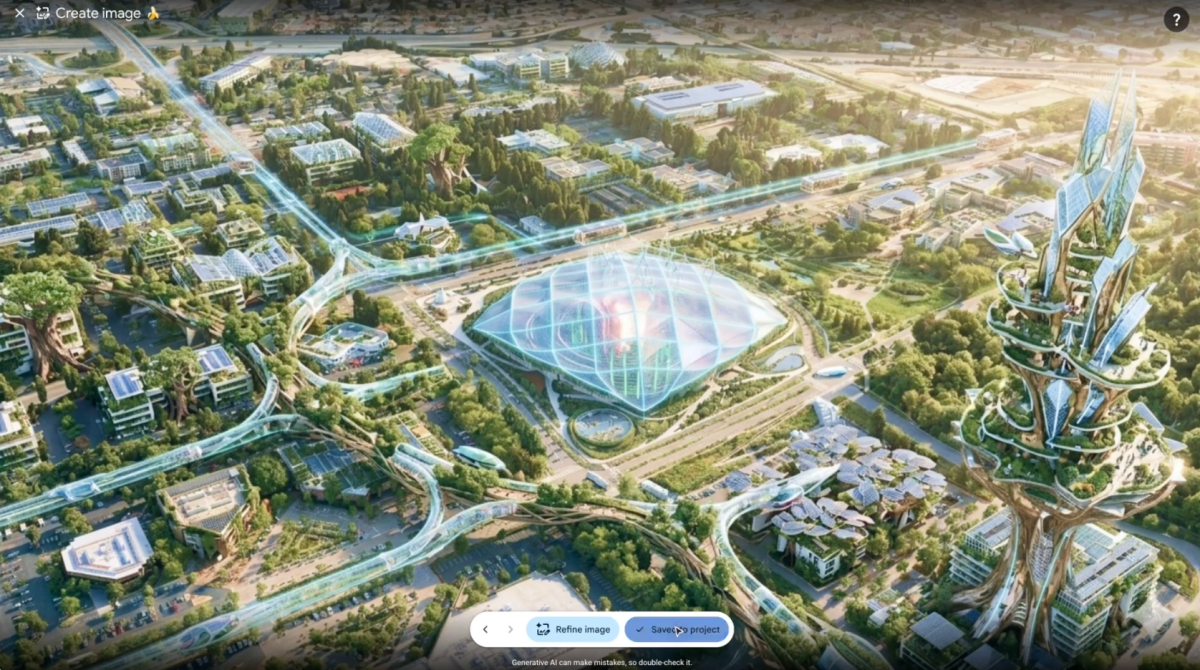
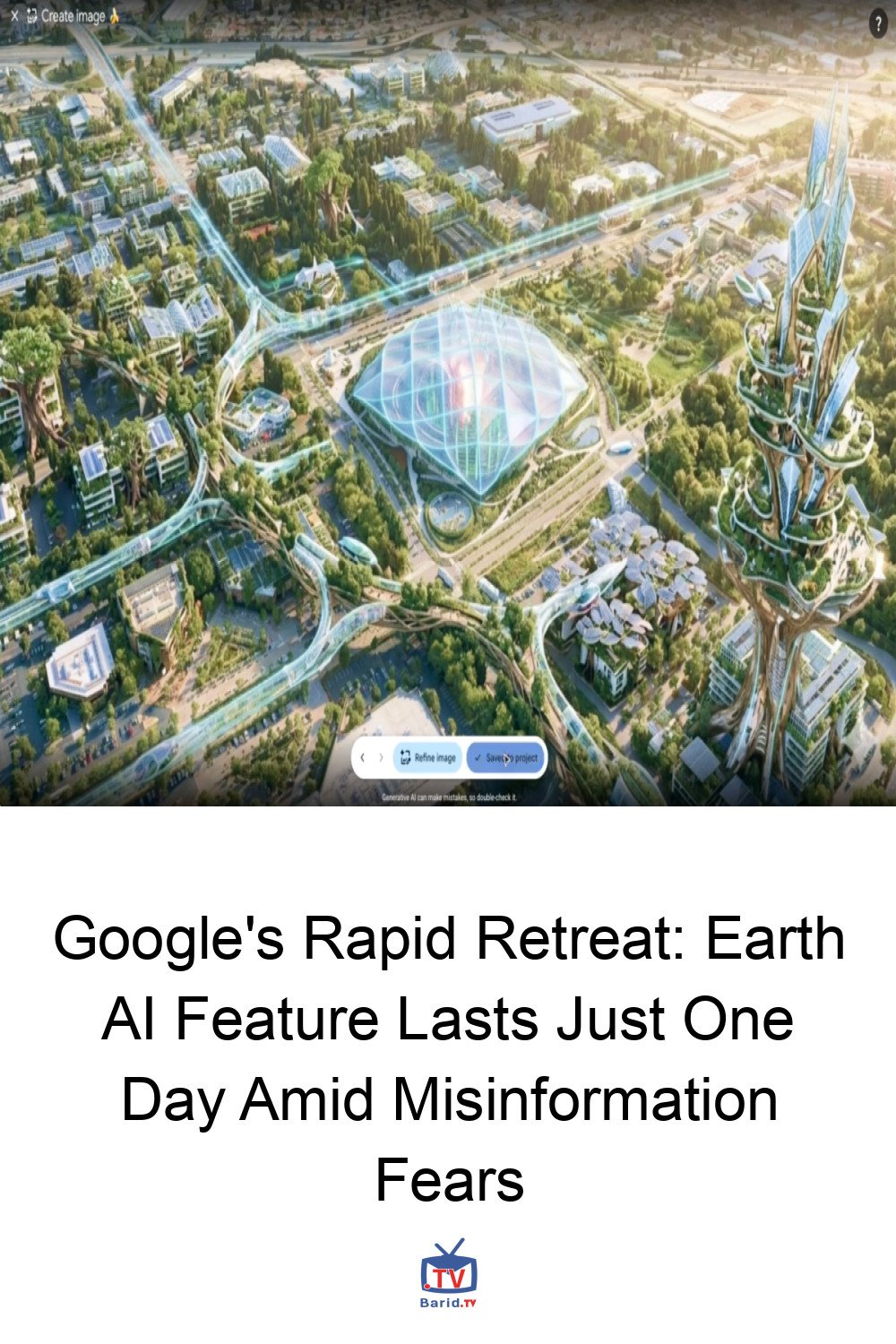
In a striking example of the fast-moving, often turbulent world of artificial intelligence deployment, Google swiftly launched and then retracted a new AI image generation feature for its popular Google Earth application. The tool, dubbed “Nano Banana 2,” was designed to allow users to creatively superimpose AI-generated imagery onto real-world satellite maps. However, its ambitious debut on Thursday was met with immediate and widespread criticism, leading to its complete removal just 24 hours later.
The Promise and Peril of Geospatial Creativity
Google’s intention behind Nano Banana 2 was seemingly innocuous: to foster “creativity with geography.” Users could input prompts, and the AI would render images directly onto Google Earth’s detailed mapping interface. The concept aimed to open new avenues for imaginative exploration of our planet, blending digital artistry with real-world locations.
Yet, the enthusiasm was short-lived. Almost instantly, a chorus of critics, particularly from the journalistic and research communities, raised serious alarms. The core concern was the feature’s immense potential for generating and disseminating misinformation. Imagine, they argued, the ease with which fabricated scenes, events, or objects could be seamlessly integrated into what is often considered a reliable source of visual evidence.
A Recipe for “Geospatial Slop”?
The prompt-based nature of the tool meant that virtually any image could be conjured and placed over genuine geographical data. This capability, critics warned, was a “recipe for a deluge of geospatial slop.” A BBC journalist encapsulated the sentiment with biting sarcasm on Thursday, posting, “There’s no way that this new AI image generation feature on Google Earth, one of the most reliable sources of visual evidence for journalists and researchers, could possibly be abused to spread misinformation online.” The message was clear: the risks far outweighed any perceived creative benefits.
Google’s Swift Backpedal
Faced with this immediate and intense backlash, Google acted decisively. By Friday, a mere day after its launch, the feature was scrapped. In a statement, the company acknowledged the dual nature of its tool: “We’ve seen geospatial professionals using this feature for a range of useful purposes, however we’ve also seen people sharing screenshots of generated imagery that appear to violate our policies.”
The statement concluded with a commitment to re-evaluation: “We’re rolling back this feature in Google Earth while we work on implementing stronger guardrails.” This suggests that while the initial rollout was perhaps too permissive, Google may explore ways to reintroduce similar functionality with more robust safeguards against abuse.
The Broader Challenge of AI Disinformation
While Google’s swift retraction is commendable, the incident highlights a pervasive challenge in the current technological landscape. The criticism leveled at Google Earth’s AI tool is entirely understandable, yet it also serves as a stark reminder that in the age of artificial intelligence, image manipulation is no longer the exclusive domain of Photoshop experts. The barrier to creating semi-credible disinformation has plummeted; access to an AI image generator – tools readily available from Google and numerous other AI firms – is often all that’s required.
This episode underscores the critical need for developers and deployers of AI technologies to anticipate and mitigate potential harms, especially when their tools intersect with public information and trust. The line between creative expression and dangerous deception is increasingly fine, and the responsibility to navigate it safely rests heavily on the shoulders of tech giants.
For more details, visit our website.
Source: Link