
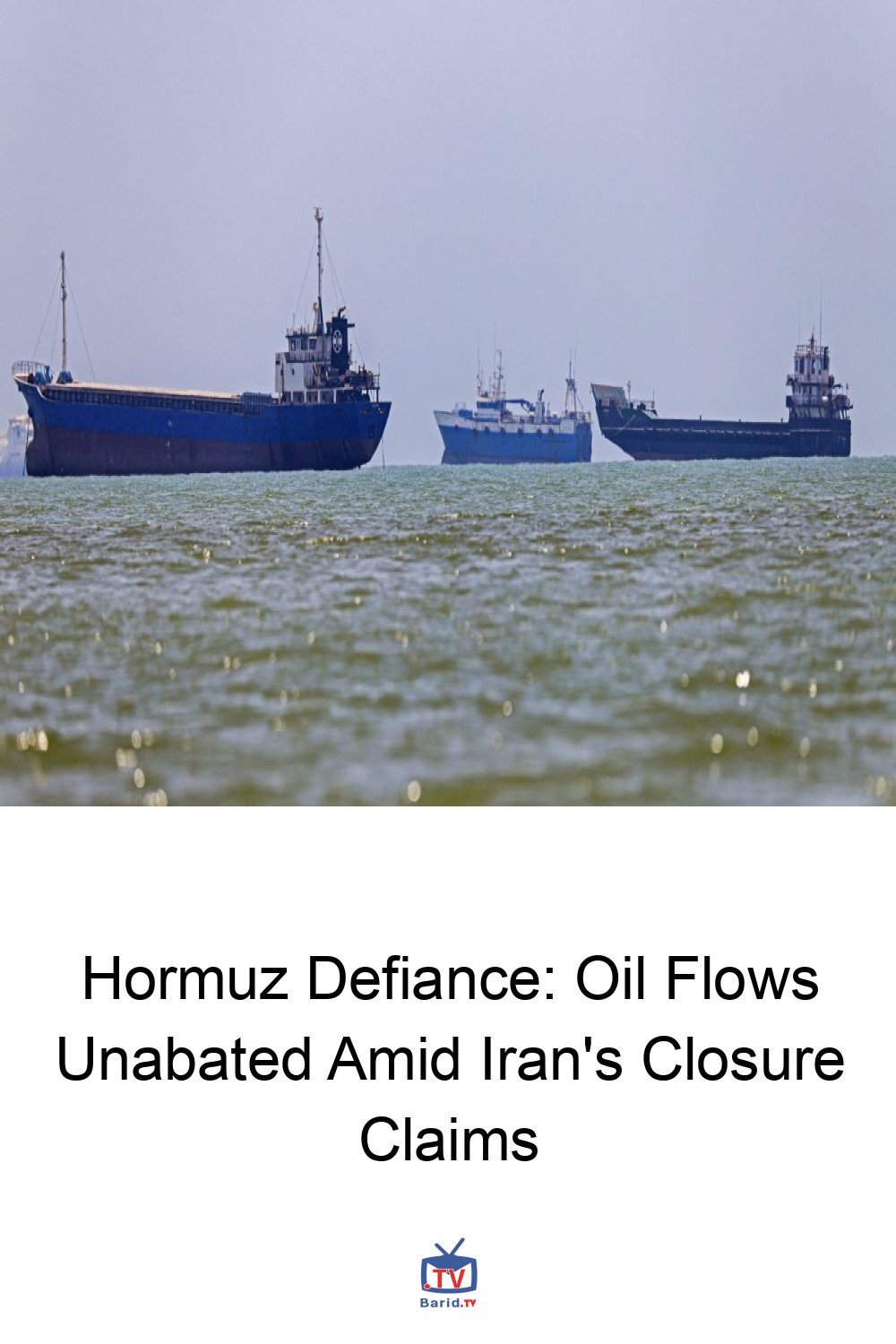
Despite recent claims from Tehran of its closure, the vital Strait of Hormuz continues to witness the uninterrupted flow of millions of barrels of oil, underscoring a stark divergence in narratives between Washington and Tehran regarding the status of the world’s most critical shipping chokepoint. This weekend, the strategic waterway remained a bustling conduit for global energy supplies, even as geopolitical tensions simmer.
Oil Tankers Defy Closure Claims
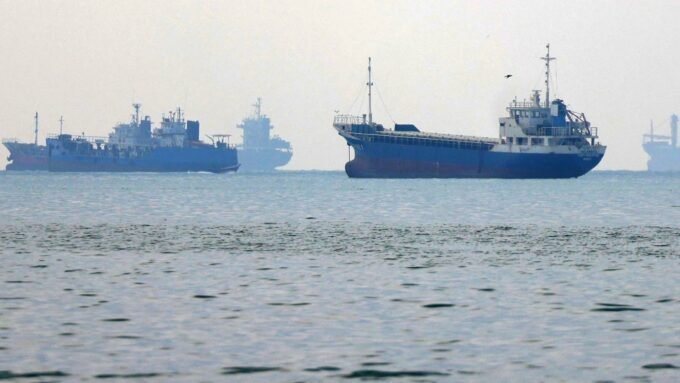
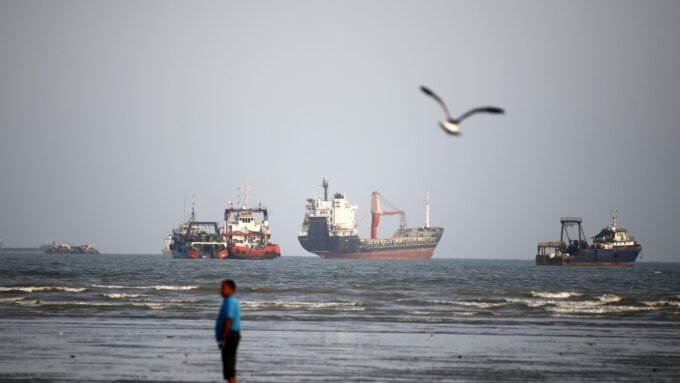
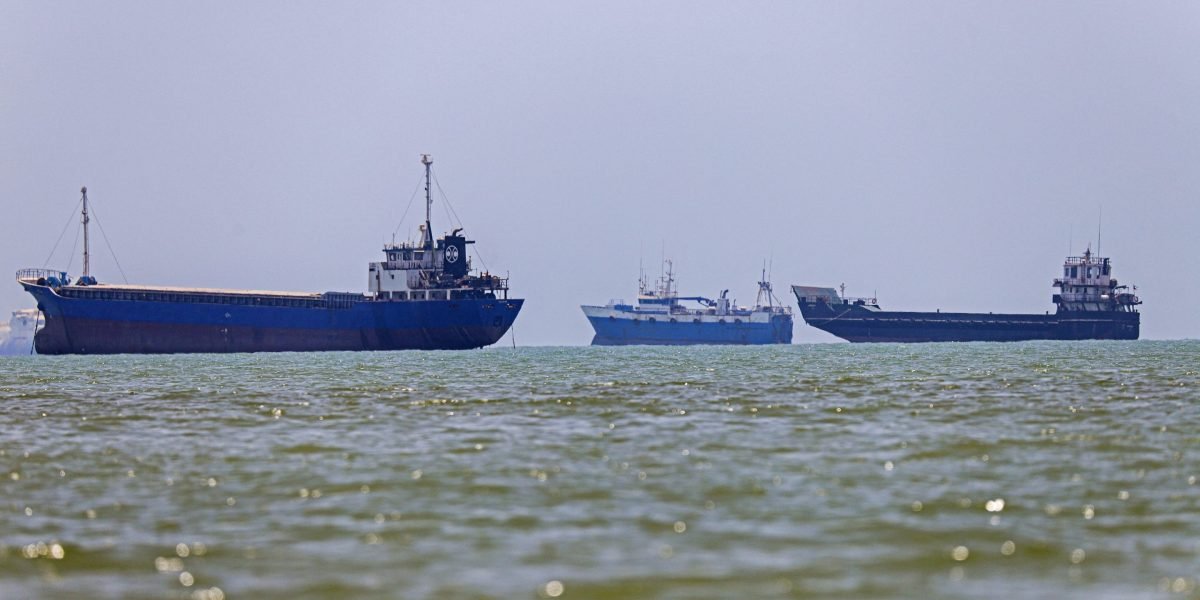
Ship-tracking data reveals a clear picture: three fully laden oil supertankers, collectively capable of transporting 6 million barrels, were observed actively navigating the Strait on Saturday. These vessels utilized a route hugging Oman’s coast, a testament to the continued operability of the southern passage. One tanker, the Gulf Sunrise, carrying 2 million barrels of Saudi crude destined for Japan, resumed automated signals in the Gulf of Oman on Sunday after a brief disappearance from screens near the strait’s apex. Similarly, the Angola B, loaded with Emirati crude, was last tracked near Oman’s Musandam peninsula, while the Monaco Loyalty also made its transit.
These movements lend significant credence to the US military’s assertion that it can effectively safeguard the southern route, challenging Iran’s claims of control over the waterway. US Central Command reported that 17 million barrels had already passed through Hormuz over the weekend, directly contradicting Iranian media reports of a shutdown. A naval and shipping liaison had confirmed early Saturday that vessels could transit the Omani side at any time, provided their locations remained visible.
The Dual Routes: Omani Coast vs. Iran’s Shoreline
While the Omani coastal route proved viable, other vessels were also observed signaling near Iran’s coastline. The Desh Vibhor, Desh Vaibhav, and Sanmar Herald, three supertankers carrying approximately 6 million barrels of Iraqi and Kuwaiti oil, were seen in the Gulf of Oman and the Arabian Sea on Sunday. Their last signals late Friday suggested they had attempted to cross the Strait of Hormuz, potentially before Iran’s announced closure. These vessels, signaling Indian ownership or India-bound cargo, were tracked near Iran’s Qeshm island, indicating a possible use of a Tehran-approved corridor.
The practice of “dark” shipments also persists, with some Gulf producers reportedly dispatching tankers through Hormuz without active transponders. This allows cargoes to be transferred to fresh vessels in waiting waters, bypassing overt scrutiny. Empty crude supertankers and a very large gas carrier were also seen entering the Persian Gulf via the Omani coast, further illustrating the continuous, multifaceted flow of maritime traffic.
Geopolitical Chessboard: Hormuz at the Heart of US-Iran Talks
The conflicting narratives surrounding the Strait of Hormuz unfold against a backdrop of delicate peace talks between Iran and the US. High-ranking officials, including US Vice President JD Vance, converged in Switzerland for discussions, with ensuring freedom of navigation in the strait topping the US agenda. These crucial talks, confirmed by Qatar to have commenced on Sunday, were initially delayed by clashes in southern Lebanon involving Israeli forces and Iran-backed Hezbollah fighters.
The negotiations are part of a 60-day window following a memorandum of understanding signed by President Donald Trump in Paris, with provisions for extension. The ongoing maritime activity in Hormuz serves as a tangible counterpoint to Iran’s rhetoric, highlighting the international community’s resolve to maintain open access to this critical energy artery, irrespective of the political maneuvering.
The Joint Military Information Center had issued a clear advisory to mariners early Saturday, pre-dating Iran’s closure announcement: “Mariners are advised that they may transit the southern route day or night with their AIS on, radars radiating, running lights on, and normal use of VHF,” emphasizing the continued safety and accessibility of the Omani passage.
For more details, visit our website.
Source: Link