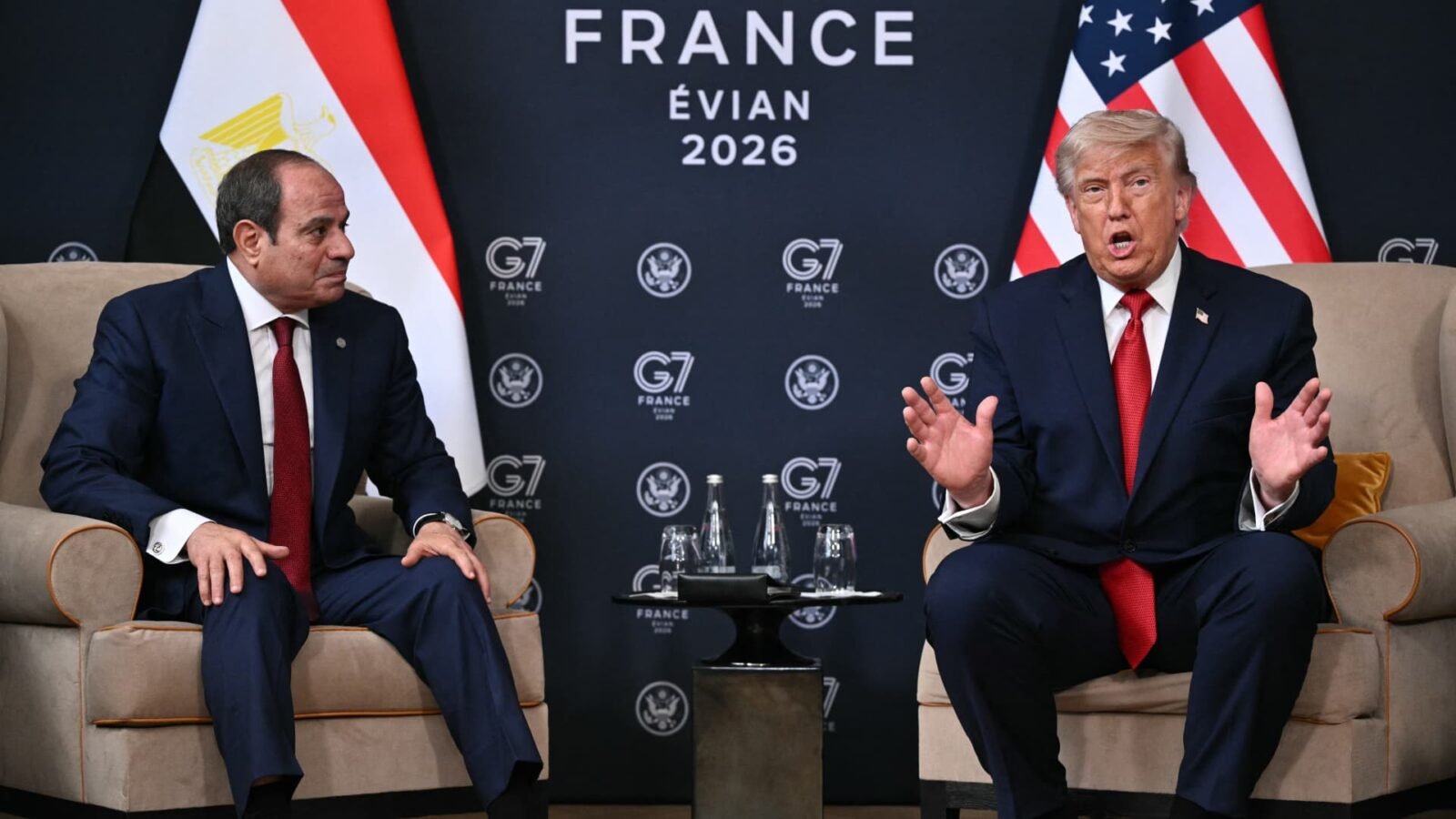

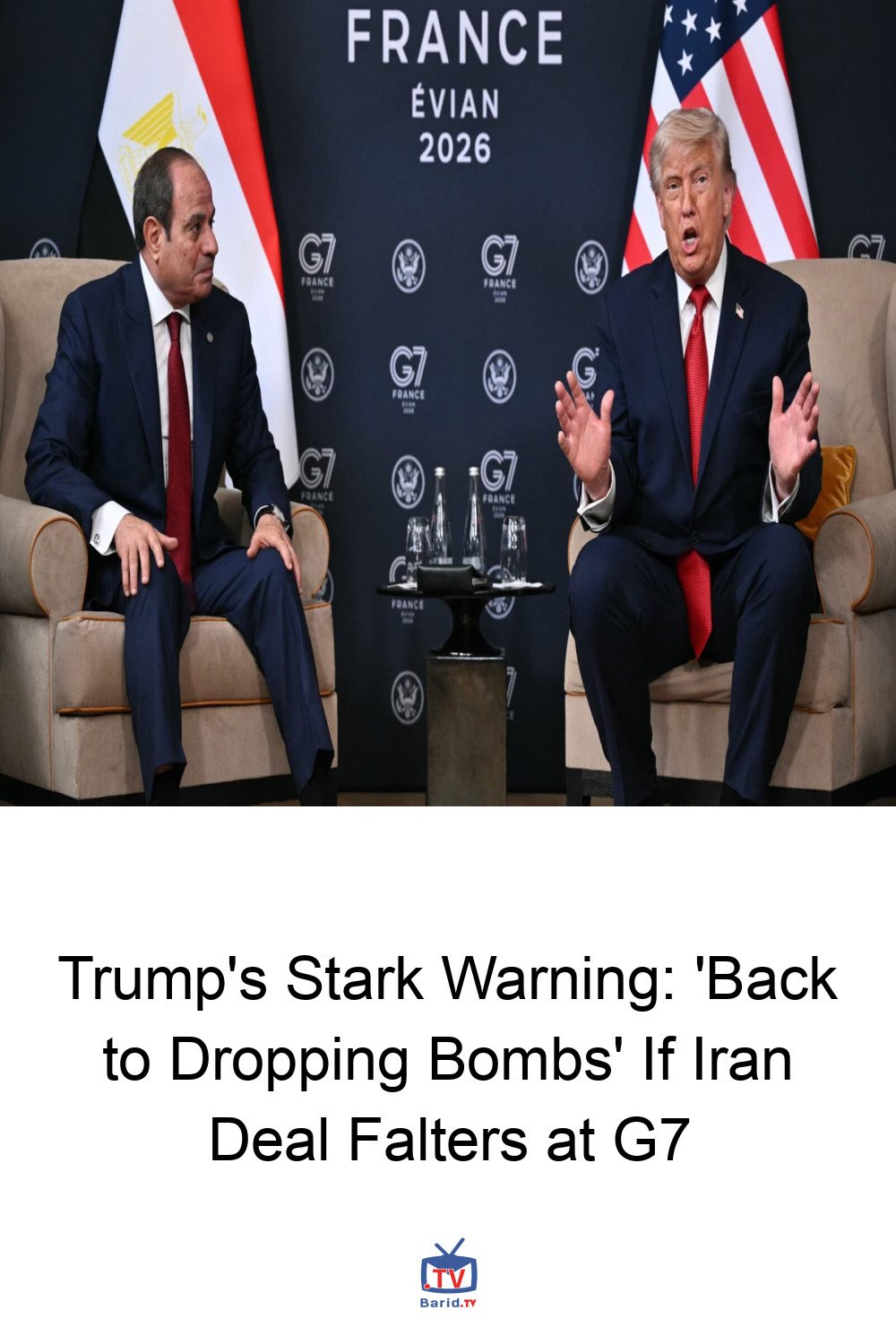
In a dramatic declaration from the G7 summit in Évian-les-Bains, France, President Donald Trump issued a stark warning regarding the proposed memorandum of understanding (MoU) with Iran. Speaking alongside Egyptian President Abdel-Fattah El-Sisi, Trump asserted that the agreement, intended to de-escalate the Middle East conflict, is “not final” and threatened a swift return to military action if he finds the terms unsatisfactory.
Trump’s Ultimatum: A Conditional Peace
The president’s comments underscored the precarious nature of the ongoing diplomatic efforts. The MoU, slated for a formal signing ceremony in Geneva this Friday, aims to establish a 60-day ceasefire extension between the U.S. and Iran, laying groundwork for future negotiations on Tehran’s nuclear program and other critical regional issues.
“It’s a memorandum of understanding, and if I don’t like it, we’ll go back to shooting at them, dropping bombs on their heads,” Trump stated unequivocally. “I don’t like it if they don’t behave. We’ll go right back to dropping bombs right smack in the middle of their head.” This aggressive rhetoric highlights the administration’s firm stance and its readiness to revert to force should diplomatic avenues falter.
Flickers of Hope Amidst the Firestorm
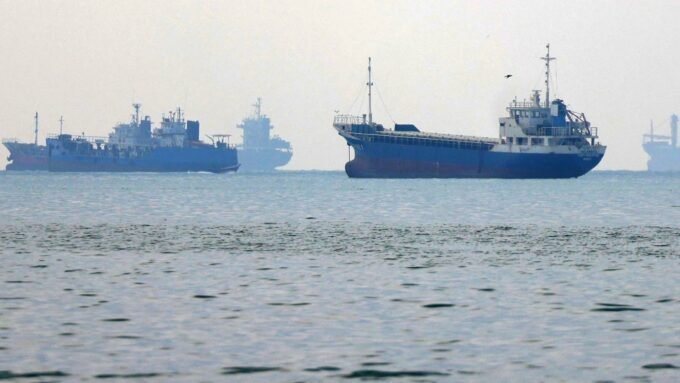
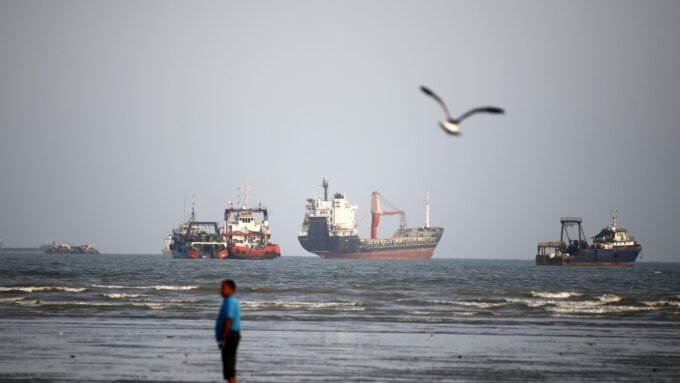
Despite the president’s confrontational tone, subtle signs of potential progress have emerged. Notably, three Iranian oil tankers successfully navigated the U.S. Navy blockade in the Strait of Hormuz on Wednesday—the first such outbound shipment in two months. This development could signal a nascent breakthrough in the protracted standoff.
Adding to the cautious optimism, Vice President JD Vance, in an interview with CNBC, acknowledged that “a lot” of details still require resolution. However, Vance expressed confidence in America’s negotiating position, asserting that the U.S. holds “all the cards” in the upcoming discussions.
Beyond Iran: A Packed G7 Agenda
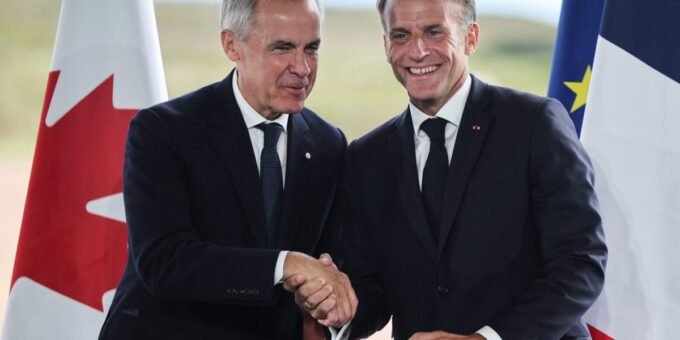
The high-stakes Iran negotiations are just one facet of a bustling agenda at the G7 summit, where leaders from the U.S., U.K., France, Germany, Canada, Italy, and Japan have convened. The Middle East conflict, alongside the ongoing war in Ukraine, has dominated discussions.
Ukraine and Russia: Calls for a Deal
Following a meeting with Ukrainian President Volodymyr Zelenskyy and other dignitaries on Tuesday, President Trump urged Russia to “make a deal,” emphasizing the heavy human cost of the conflict. “Russia has lost tremendous amounts of people, and so has Ukraine,” he remarked, signaling a desire for a resolution to the devastating war.
The Future is AI: Tech Takes Center Stage
Later on Wednesday, the summit’s focus was set to pivot towards the burgeoning fields of Artificial Intelligence and global tech sovereignty. Prominent tech leaders, including OpenAI’s Sam Altman, Anthropic’s Dario Amodei, and Google DeepMind’s Demis Hassabis, were slated to attend, underscoring the G7’s commitment to addressing the profound implications of technological advancement.
As the G7 leaders continue their deliberations, the world watches closely, balancing the hope for diplomatic breakthroughs with the chilling prospect of renewed conflict, particularly in the volatile Middle East.
For more details, visit our website.
Source: Link