
The Strait of Hormuz, a critical artery for global oil shipments, has once again become a flashpoint of international tension following a vessel strike that sparked a fire and prompted crew evacuation. This latest incident, reported by the United Kingdom Maritime Trade Operations Centre (UKMTO), underscores the volatile geopolitical climate in the Middle East, where prospects for U.S.-Iran diplomacy remain increasingly elusive.
Vessel Attacked Amid Heightened Regional Instability
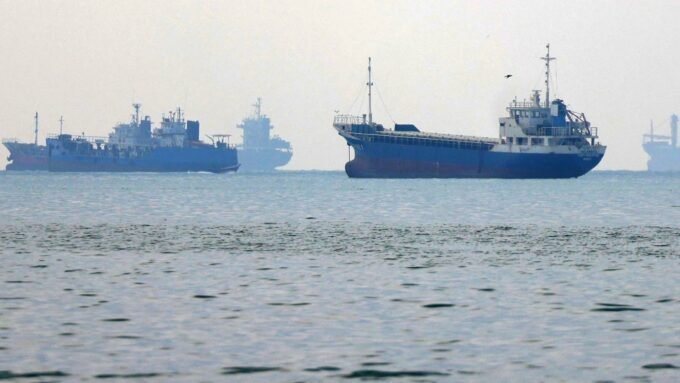
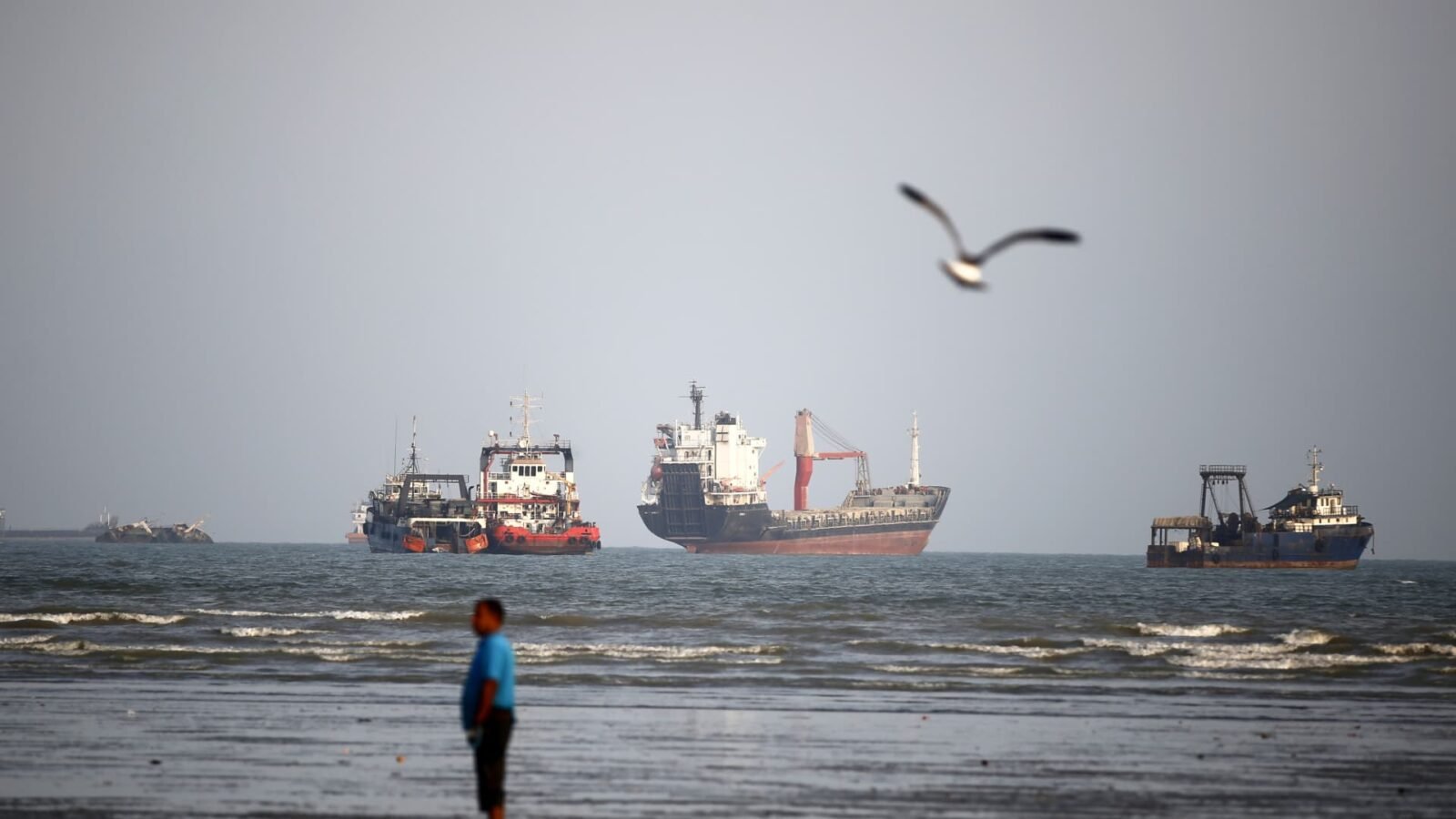
Late Saturday, a commercial vessel transiting the Strait of Hormuz was reportedly hit by an unknown projectile, leading to a fire onboard and necessitating the evacuation of its crew. Local authorities swiftly responded to the scene, as confirmed by UKMTO. This attack is the latest in a series of incidents severely disrupting shipping through the vital waterway, a bottleneck for a significant portion of the world’s oil supply.
The incident occurs against a backdrop of ongoing hostilities and a U.S. naval blockade, which have kept global oil prices elevated and fueled anxieties about regional stability. The strategic importance of the Strait, connecting the Persian Gulf with the open ocean, means any disruption here has immediate and far-reaching economic and political consequences.
Diplomacy at a Standstill: Iran’s Unyielding Stance
Despite the escalating tensions, direct negotiations between Washington and Tehran appear no closer to resumption. Senior Iranian officials have unequivocally dismissed the possibility of fresh talks without their preconditions being met. Ebrahim Azizi, head of the Iranian parliament’s national security committee, stated firmly, “No negotiations. Until Iran’s terms are met, talks are futile.”
Meanwhile, Iranian President Masoud Pezeshkian, speaking at the BRICS Summit in New Delhi, reiterated his country’s defiance, declaring that Iran “will not surrender” and has successfully resisted aggression from the U.S. and Israel. “Since we are seeking truth and justice, we will not yield in front of bullying arrogance,” Pezeshkian asserted.
Interestingly, while rejecting talks with the U.S., Iran has been actively engaging with its regional neighbors. Officials from Iran and Gulf countries are reportedly set to meet in Oman’s capital, Muscat, to finalize an agreement for a new Iran-Oman shipping route through the Strait of Hormuz, signaling a strategic effort to secure its maritime interests independently.
The Escalating Maritime Chess Game
The Strait of Hormuz has been a theatre of tit-for-tat attacks in recent weeks. U.S. Central Command (CENTCOM) confirmed the destruction of ten Iranian tankers in the preceding week and announced that its forces have redirected 100 commercial vessels over the past 60 days since reinstituting a naval blockade against Iran. CENTCOM’s stark message on X declared, “ZERO ships have passed through the blockade without U.S. forces allowing.”
Former U.S. President Donald Trump weighed in on the conflict, predicting that the “war in Iran” would conclude shortly after November’s midterm elections, leading to a sharp decline in energy prices. His comments echoed earlier assertions that robust U.S. military action prevented Iran from threatening Israel, the Middle East, and even U.S. cities.
Oil Markets on Edge: A Global Economic Ripple
The ongoing unrest and maritime disruptions have sent ripples through global energy markets. While Brent crude oil futures and U.S. West Texas Intermediate saw slight retreats on Friday, they registered significant weekly gains, with prices soaring above $100 a barrel for the first time in months. Brent crude peaked at around $108, and WTI at over $104, reflecting the market’s sensitivity to the instability in the region.
Shipments of oil and other vital cargoes through the Strait have been severely hampered since what the article describes as the “U.S. and Israel began their war on Iran on Feb. 28,” leading to stranded vessels and seafarers. In a precautionary move, Saudi Arabia, which has been utilizing its East-West crude oil pipeline to bypass the Strait, announced the shutdown of this facility on Friday, further highlighting the region’s precarious energy security.
A Precarious Path Forward
The latest vessel strike in the Strait of Hormuz serves as a stark reminder of the volatile state of affairs between the U.S. and Iran. With diplomatic channels seemingly closed and military posturing intensifying, the region remains on a knife-edge. The economic ramifications, particularly for global energy supplies, are profound, ensuring that the world watches the Strait of Hormuz with bated breath.
For more details, visit our website.
Source: Link