
A Bold Declaration: Trump’s Hormuz Toll and Iran Blockade
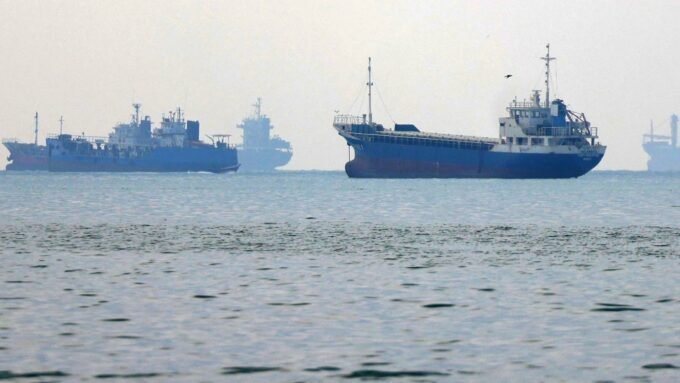
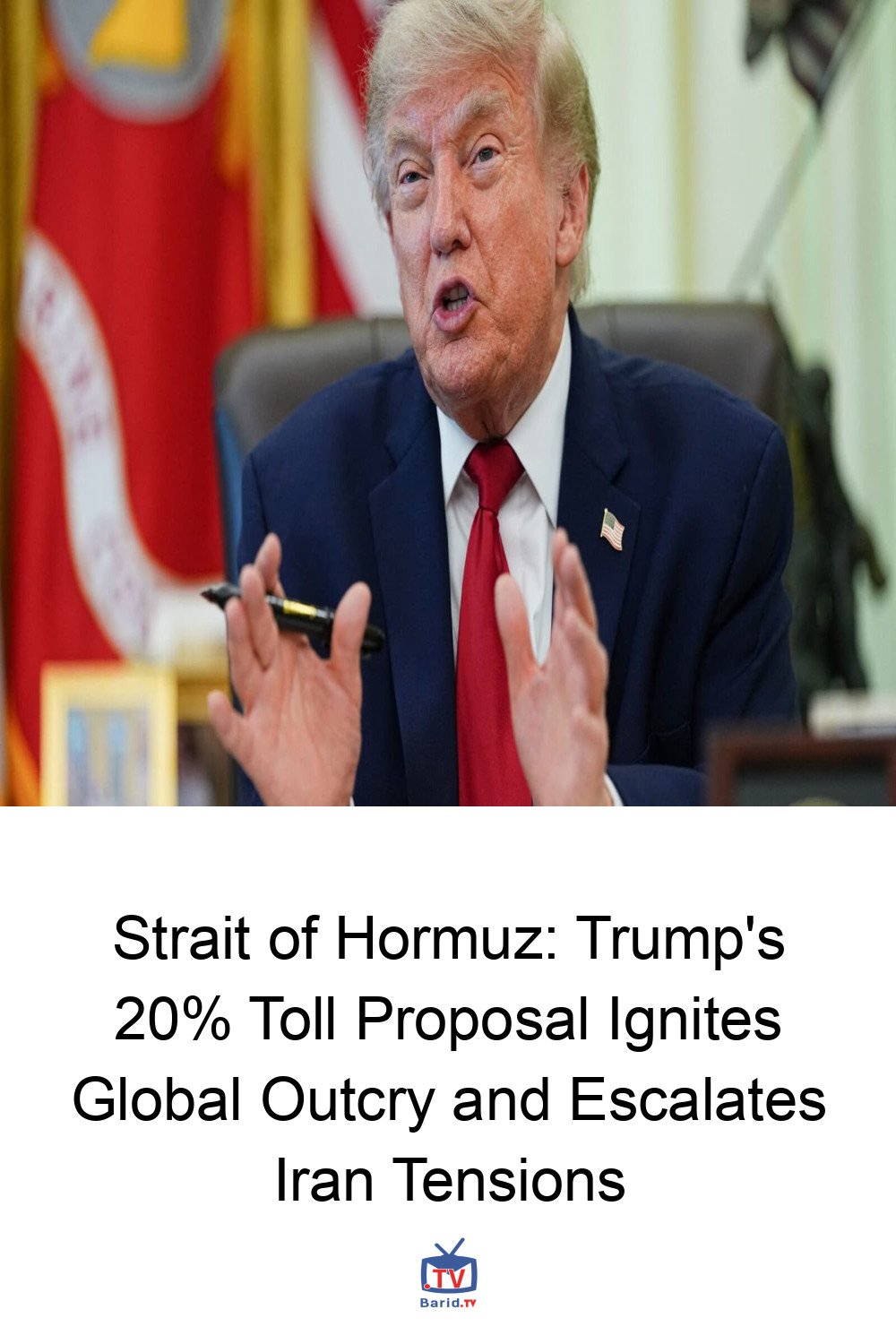
In a move that sent immediate shockwaves across global markets and diplomatic circles, former President Donald Trump announced a controversial plan to impose a 20% toll on all cargo transiting the strategic Strait of Hormuz. Declaring the United States the new “guardian” of this vital oil shipping route, Trump also revealed the immediate reimposition of a blockade on Iranian ports near the strait, intensifying an already volatile standoff with Tehran.
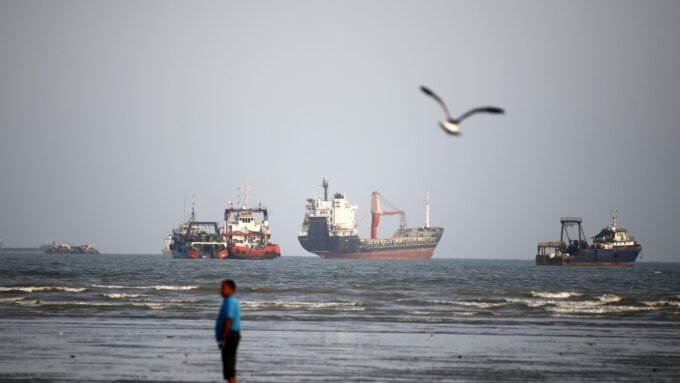
The announcement, made via a Truth Social post, came amidst renewed exchanges of fire between the U.S. and Iran, further dimming prospects for a peace deal and significantly slowing tanker traffic in the strait. Oil prices surged and stock markets dipped as investors reacted to the potential for severe disruption in a waterway critical to global energy supplies.
The Controversial ‘Guardianship’ and Its Price Tag
Trump’s declaration asserts that commercial vessels navigating the Strait of Hormuz must now pay a substantial 20% “protection money” to the U.S. for ensuring safety and security in this highly contested region. This stance directly contradicts previous U.S. rejections of Iran’s own proposals for tolls and flies in the face of established international maritime law, which designates the strait as a toll-free international waterway.
“The U.S.A. will be, from this point forward, known as ‘THE GUARDIAN OF THE HORMUZ STRAIT,'” Trump wrote, adding that the 20% reimbursement rate would cover “any and all costs necessary to do the job of providing safety and security.” The blockade of Iranian ports was set to resume swiftly, signaling a rapid escalation of military and economic pressure.
International Law and Widespread Condemnation
The proposed toll has been met with widespread condemnation from international bodies and legal experts. The United Nations’ International Maritime Organization (IMO) firmly stated its opposition, emphasizing that “there is no legal basis through which to introduce mandatory tolls simply to transit through a strait used for international navigation.”
This sentiment was echoed by U.S. Secretary of State Marco Rubio, who, prior to Trump’s announcement, had affirmed that “No country is allowed to charge tolls or fees on an international waterway. That’s existing international law.” The U.S. has historically provided protection services in the Persian Gulf, notably for Kuwaiti ships in the 1980s, but never before has it sought to levy such a significant, mandatory charge for transit.
Economic Fallout and Geopolitical Tensions
The immediate economic fallout was palpable, with oil prices jumping and global stock indexes falling. The Strait of Hormuz, which historically facilitates 20% of the world’s oil trade, had already seen traffic choked off at the onset of the renewed conflict in late February. Trump’s assertion that the strait “is OPEN, and will remain OPEN, with or without Iran” did little to quell market anxieties.
The announcement also comes against a backdrop of ongoing military actions. A letter from Trump to the Senate, dated July 10, confirmed new U.S. military action against Iran commenced on July 7, in accordance with the War Powers Resolution. This further complicates the geopolitical landscape, especially after Congress had symbolically approved a measure directing an end to U.S. hostilities in Iran.
Expert Skepticism and Unanswered Questions
Much about the proposed reimbursement policy remains unclear, with the White House offering no immediate clarification. Iranian Foreign Minister Abbas Araghchi quickly countered Trump’s claims, asserting Iran’s control over the strait and its right to compensation, though he suggested 20% was “too much.”
David Goldwyn, president of Goldwyn Global Strategies and a former U.S. State Department special envoy, described the 20% charge as “quite an extortionate level.” He expressed skepticism about the U.S.’s ability to guarantee safe passage, noting, “If the U.S. was able to safely escort ships and guarantee no threat from Iran, we would have seen that happen in the past few weeks. So I think this is really just bluster.”
Trump had foreshadowed the policy in an earlier Fox News interview, stating the U.S. was “going to get paid for guarding” the strait. This audacious proposal marks a significant and potentially destabilizing shift in international maritime policy, raising profound questions about its legality, enforceability, and long-term implications for global trade and regional stability.
For more details, visit our website.
Source: Link