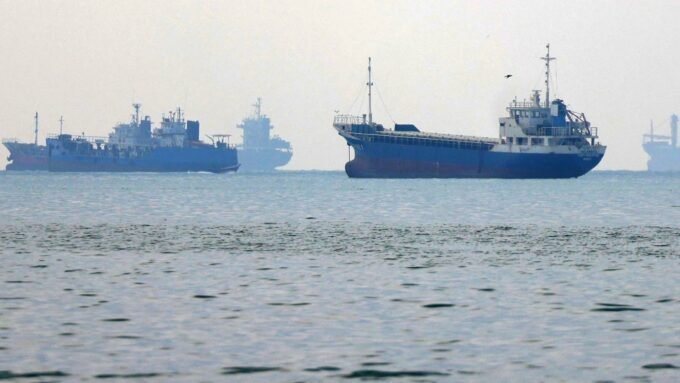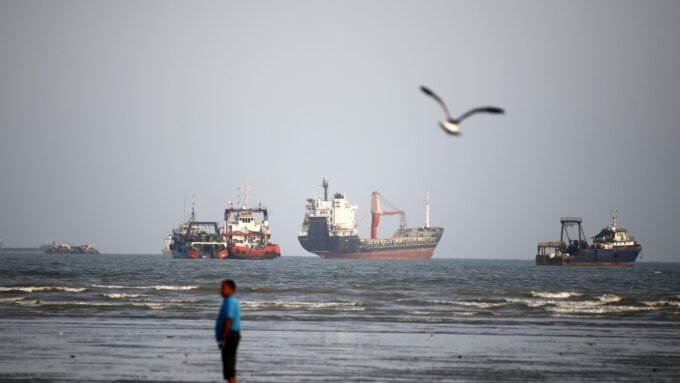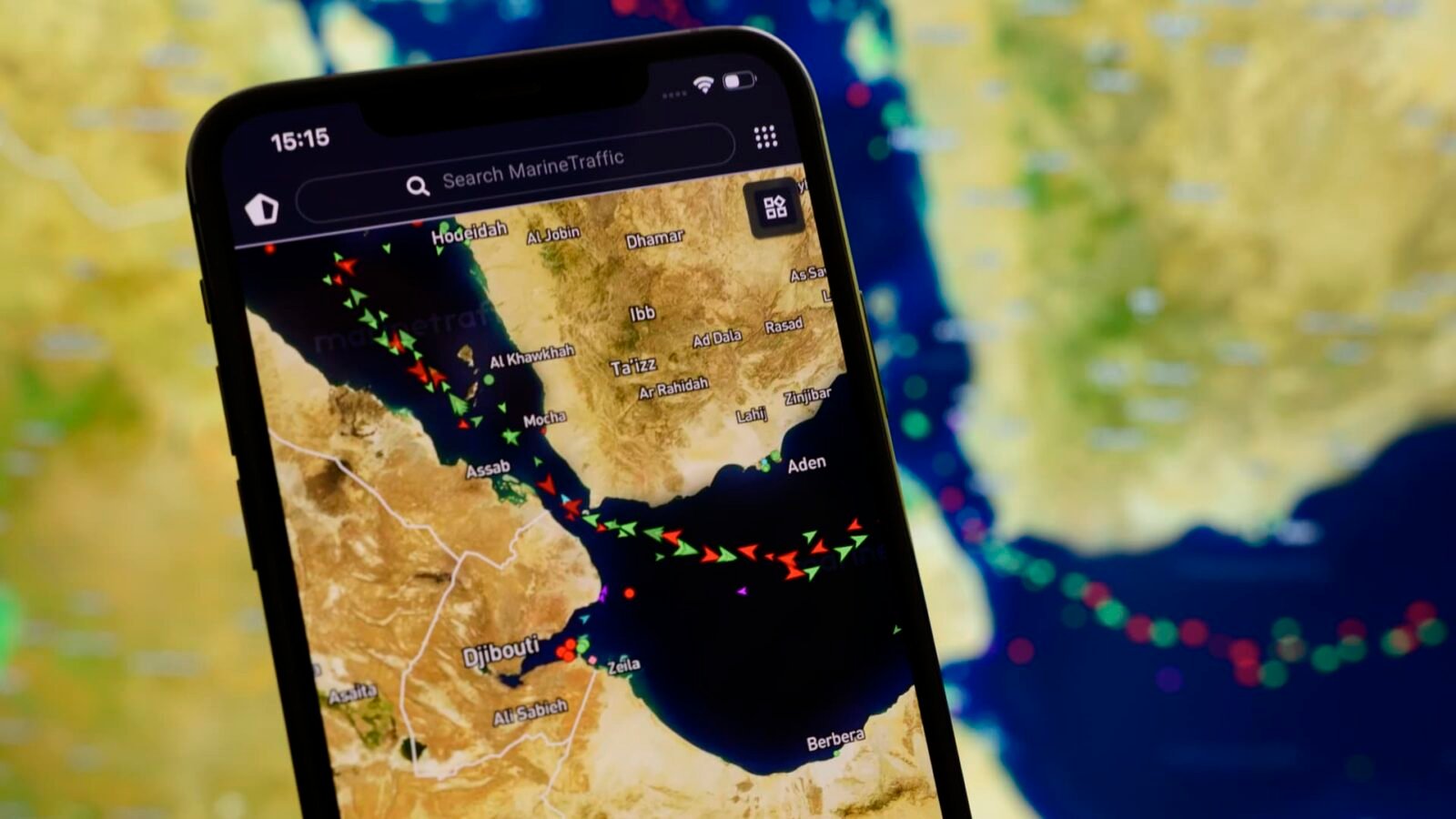

A cargo vessel navigating the vital Red Sea shipping lane has reported coming under attack, triggering a distress alert and prompting immediate investigations by maritime authorities. The incident, confirmed by the United Kingdom Maritime Trade Operations Centre (UKMTO) on Sunday, occurred approximately 30 nautical miles (56 km) southwest of Yemen’s port city of Al Hudaydah. This alarming development unfolds amidst a delicate ceasefire between the U.S. and Iran, raising concerns about the stability of one of the world’s most critical maritime choke points.
A Critical Choke Point Under Threat
The Red Sea, connected to the Gulf of Aden and the Arabian Sea via the narrow Bab el-Mandeb Strait, represents an indispensable artery for global commerce. It serves as a crucial transit route for a vast array of goods, most notably energy shipments from the Middle East to markets in Asia and Europe. The UKMTO issued a stark warning, urging all vessels in the vicinity to “transit with caution” as authorities work to ascertain the nature and perpetrators of the attack.
Echoes of Past Conflicts
While the identity of the assailants remains unknown, the location of the incident immediately brings to mind previous disruptions in the region. Iran-backed Houthi rebels in Yemen had, between 2023 and 2025, launched attacks on commercial ships in the Red Sea. These actions were largely framed as retaliation for Israel’s military operations in Gaza, though the Houthis had generally avoided direct involvement in the broader U.S.-Iran conflict. The current attack, however, comes at a particularly sensitive time, potentially reigniting fears of broader regional instability impacting global shipping.
Geopolitical Tensions and Trade Routes
The incident also casts a shadow over recent efforts to de-escalate tensions in the Middle East. Just last month, on June 17, the U.S. and Iran signed a memorandum of understanding aimed at ending nearly four months of conflict and reopening the Strait of Hormuz, another pivotal choke point for energy shipments. This agreement initiated a 60-day negotiation period for a permanent peace deal and had already led to a significant ramp-up in oil shipments through Hormuz.
Oil Market Dynamics and Vulnerability
Historically, when the Strait of Hormuz faced disruptions—such as during Iranian attacks on tankers and cargo ships earlier this year—the Bab el-Mandeb Strait and the Red Sea route served as a vital “relief valve” for the global oil market. Saudi Arabia, for instance, redirected millions of barrels per day through its East-West Pipeline to the Red Sea, with these barrels then transiting Bab el-Mandeb to Asian economies like Japan and South Korea, offsetting lost supply. Since the June 17 MoU, Saudi Arabia’s oil exports through Hormuz have more than doubled, contributing to a 39% fall in benchmark Brent crude oil prices from their March highs. Any sustained threat to Red Sea shipping could undermine this newfound stability and potentially reverse the positive trend in global energy markets, highlighting the interconnectedness of geopolitical stability and economic prosperity.
As investigations continue, the international community watches closely, aware that the security of these maritime highways is paramount for the uninterrupted flow of global trade and the stability of the world economy.
For more details, visit our website.
Source: Link