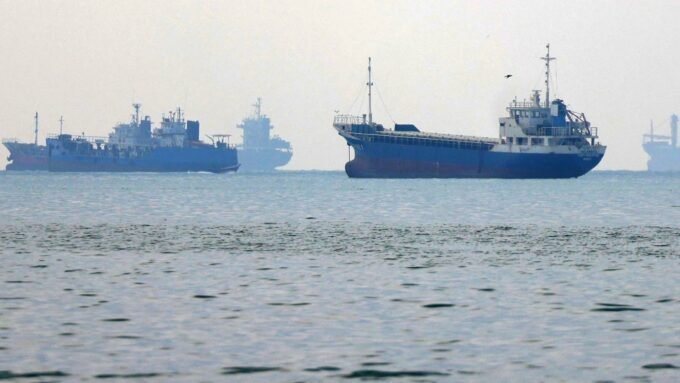
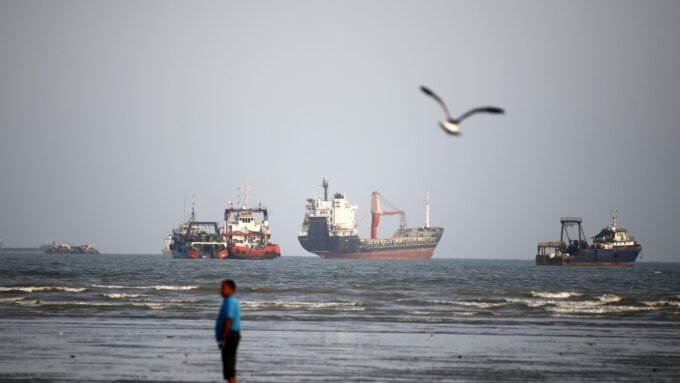
In a significant development poised to reshape regional dynamics, Iran and Oman are reportedly nearing a landmark agreement to ensure safe passage through the strategically vital Strait of Hormuz. This diplomatic breakthrough arrives amidst a complex geopolitical backdrop, characterized by fluctuating oil markets, assertive U.S. sanctions rhetoric, and a watchful China.
A New Chapter for the Strait of Hormuz?
The Gulf nations, in a joint statement issued on Tuesday, revealed that their foreign ministers have engaged in discussions regarding a “proposed framework.” This framework aims to establish a “joint temporary navigational corridor” through the Strait of Hormuz and includes a crucial commitment to implement a “joint project to clear the Strait of mines.” This initiative underscores a collective effort to de-escalate tensions and secure one of the world’s most critical maritime arteries.
Beyond immediate concerns, the statement also outlined plans for ongoing “technical negotiations.” These talks are designed to pave the way for a “permanent navigational corridor and future administration of the Strait,” alongside mechanisms for “information-sharing, traffic management, and the provision of relevant navigational and security services.” Such a comprehensive agreement could herald a new era of stability and cooperation in the region.
Oil Markets React to De-escalation Signals
The news of a potential deal has already sent ripples through global commodity markets. Oil prices extended recent losses, with international benchmark Brent Crude dipping below the $90 per barrel mark overnight. This decline is further compounded by a noticeable reduction in traffic through the Strait; preliminary data from Kpler indicates that only five commodity vessels transited on Tuesday, a sharp drop from the 10-day average of 15. Historically, approximately one-fifth of global crude flows traverse this narrow waterway.
Several factors appear to be contributing to this downward pressure on oil prices and the perceived de-escalation. Reports suggest the U.S. has begun returning its diplomats to Gulf states, a move often interpreted as a signal that Washington does not anticipate immediate military escalation. Furthermore, Russia’s RIA Novosti, citing Iranian and Pakistani sources, reported an unverified impending announcement of a new U.S.-Iran ceasefire agreement, which would reportedly include guaranteed freedom of shipping via Hormuz. While the White House has not confirmed these reports, their circulation adds to the narrative of easing tensions.
The US Sanctions Dilemma and China’s Stance
The diplomatic overtures come hot on the heels of Treasury Secretary Scott Bessent’s recent pledge to unleash an “economic D-day” against the Iranian regime. Bessent had threatened to target Tehran’s “enablers” and trading partners, unveiling a list of 60 individuals, entities, and vessels in an aggressive bid to cripple Iran’s economy.
However, a notable shift in strategy has been observed: the U.S. has, thus far, refrained from imposing significant secondary sanctions on other nations, particularly Chinese financial firms suspected of facilitating Iran’s oil trade. Explaining this cautious approach, Bessent stated, “Why would I want to blow up the global financial system? We believe that it is important to level set and give people a cure period, but they should know that that will move very quickly and that we are serious.”
This restraint is likely influenced by China’s firm stance. Beijing, which accounts for roughly 90% of Iran’s oil purchases, explicitly threatened retaliation on Tuesday if the U.S. were to expand economic pressure on nations trading with Tehran. This delicate balance underscores the intricate web of economic and geopolitical interests at play.
Navigating a Complex Geopolitical Landscape
The emerging deal between Iran and Oman for the Strait of Hormuz represents a crucial step towards regional stability, offering a potential lifeline for global energy security. Yet, the broader context of U.S. sanctions, China’s economic leverage, and the unverified reports of a ceasefire paint a picture of a region in constant flux. The coming weeks will undoubtedly reveal whether this diplomatic momentum can translate into lasting peace and predictable trade routes, or if the Strait will remain a flashpoint in the ongoing geopolitical chess match.
For more details, visit our website.
Source: Link