
Shipping Grinds to a Near Halt in Vital Oil Passage
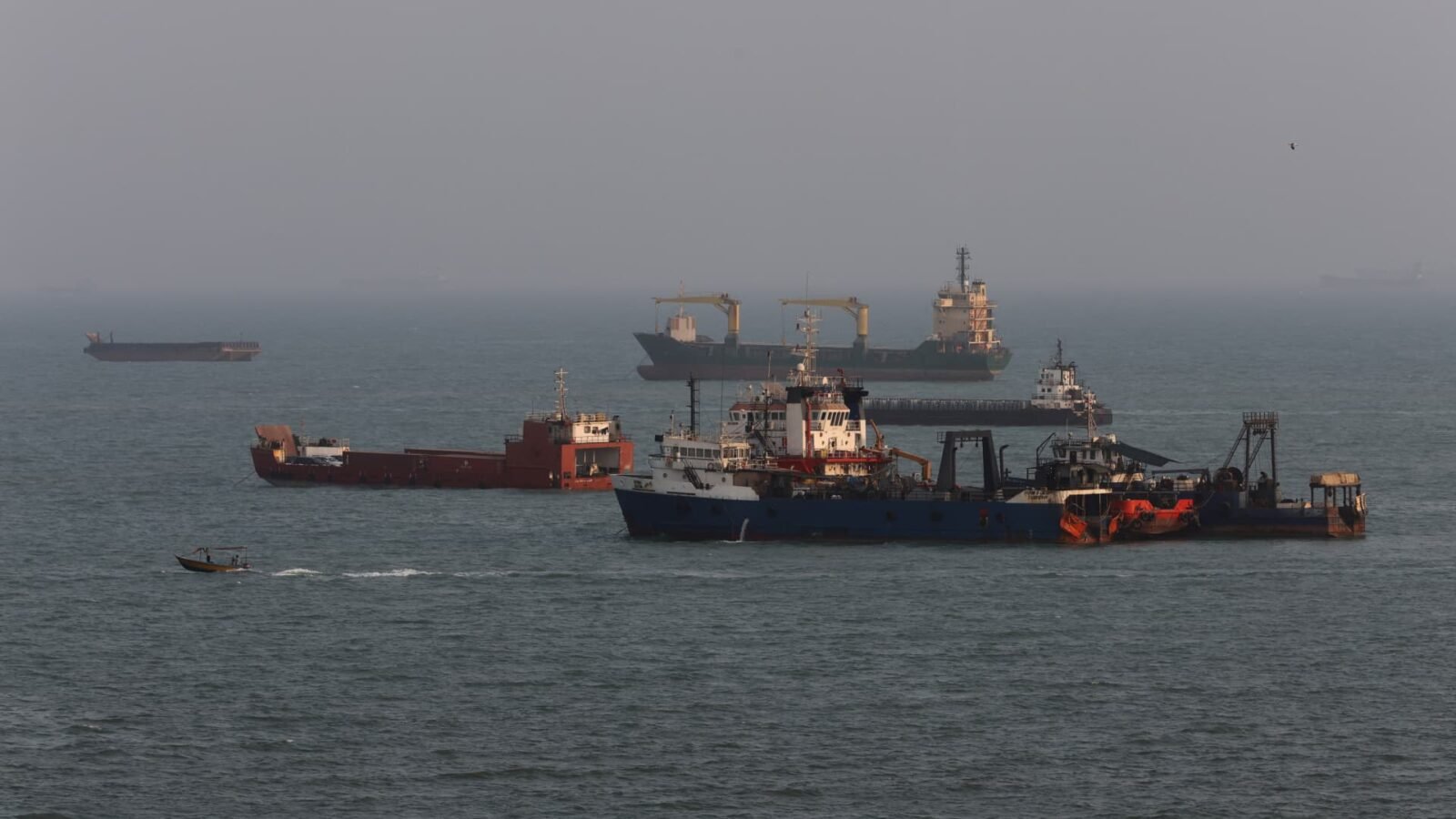
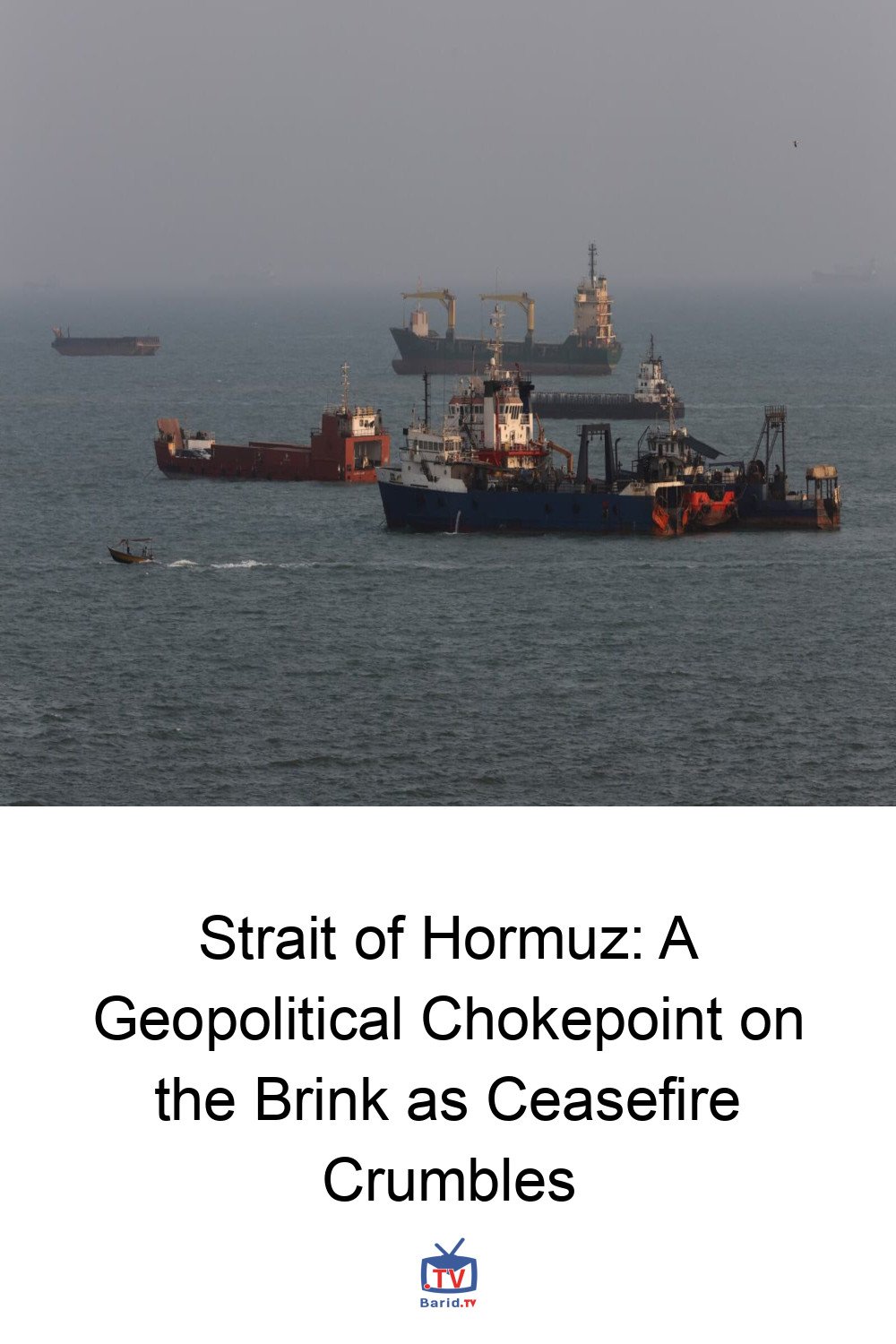
The Strait of Hormuz, a critical artery for global oil shipments, witnessed an alarming drop in traffic this past weekend, signaling escalating tensions as a fragile U.S.-Iran ceasefire teeters on the brink of collapse. Data from Kpler reveals a dramatic slowdown, with only five vessels navigating the strait on Saturday, a stark contrast to the 31 recorded just the previous weekend. Sunday saw no registered transits at all, painting a grim picture for international maritime trade.
A Lifeline Under Threat: Hormuz’s Crucial Role
This precipitous decline marks a new low for the strait, which typically facilitates approximately 130 vessel transits daily and accounts for roughly a fifth of the world’s oil supply. Shipping activity has plummeted by an astonishing 90% since the conflict erupted on February 28th, with last week’s five-day average of 13 transits representing the lowest level since May 12th, according to a CNBC analysis of Kpler data.
Industry experts are urging investors to brace for continued volatility. Parash Jain, a shipping expert at HSBC, emphasized on CNBC’s Squawk Box Europe that “chaos is the norm” in this sector, advising that this reality be integrated into fundamental market assumptions.
Ceasefire Crumbles, Diplomacy Stalls
The 60-day ceasefire between the United States and Iran is set to expire today, Monday, with no official negotiations or viable deal on the horizon. This diplomatic deadlock has fueled concerns over renewed hostilities in the region.
Iran’s Foreign Minister, Seyed Abbas Araghchi, publicly dismissed the notion of an active ceasefire, stating on Saturday, “We do not have anything like a ceasefire.” He further clarified to Iranian news outlet Shahrara News that while Qatar and Pakistan are mediating by exchanging messages, “this does not mean negotiations” are underway between the U.S. and Iran.
Conflicting Claims Over Sovereignty
The geopolitical temperature was further raised by recent pronouncements from both Washington and Tehran. U.S. President Donald Trump, last week, controversially claimed he would “pretty soon be declaring the Hormuz Strait a territory of the United States.” This assertion was swiftly rebuffed by Iran’s Deputy Foreign Minister Kazem Gharibabadi, who, in a post on X (formerly Twitter) on Friday, unequivocally stated that the Strait would remain “Iranian” and its passage controlled “under Iran’s command.”
Economic Repercussions: Oil Prices React
Amidst these geopolitical uncertainties, global oil prices saw a slight dip on Monday. International benchmark Brent crude futures fell 0.15% to $88.45 per barrel, while U.S. West Texas Intermediate crude declined 0.74% to $81.79. The market remains highly sensitive to developments in the Strait of Hormuz, underscoring its pivotal role in global energy stability.
For more details, visit our website.
Source: Link