





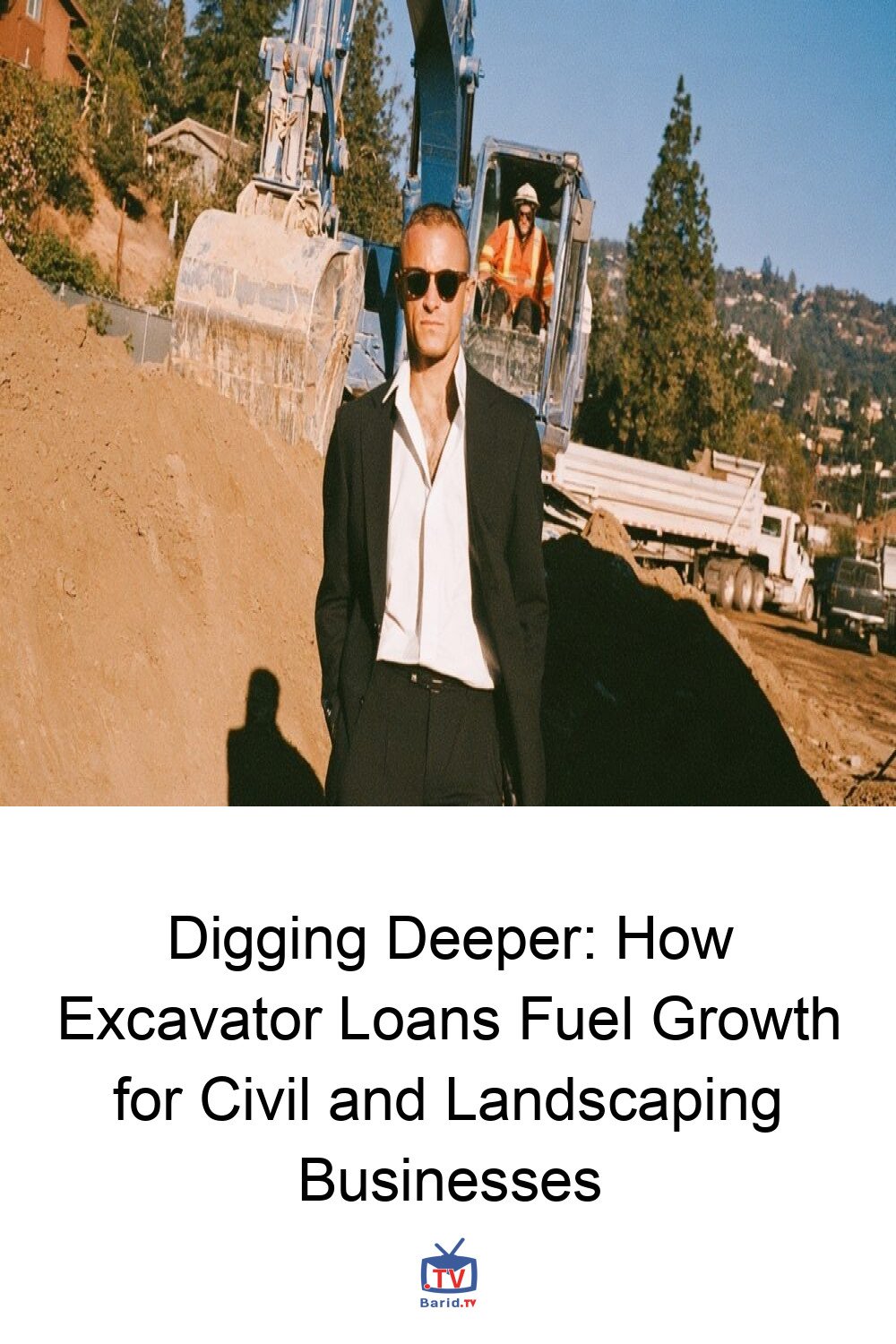
For civil and landscaping businesses, an excavator isn’t just a piece of machinery; it’s the backbone of operations, a critical tool for project completion, and a catalyst for growth. Yet, acquiring this essential equipment often presents a significant financial hurdle. The good news? An excavator loan can transform this challenge into an opportunity, allowing you to expand your capabilities without draining vital working capital.
Fueling Business Growth with Smart Equipment Financing
Imagine securing the heavy machinery you need precisely when a new, lucrative project emerges, or when an aging machine threatens to derail your schedule. Excavator financing makes this a reality. Instead of waiting to accumulate the full purchase price, a tailored equipment loan enables immediate acquisition, ensuring your business remains agile and competitive. This strategic approach is particularly vital for civil and landscaping firms, where reliable, high-performance equipment directly translates to project efficiency and client satisfaction.
Key Advantages of Strategic Equipment Acquisition:
- Preserve Working Capital: Keep your cash reserves liquid for day-to-day operational costs like wages, fuel, and materials.
- Spread Costs: Transform a large upfront expense into manageable monthly payments that align with your cash flow.
- Accelerate Growth: Acquire new or used machinery sooner, allowing you to take on more projects and expand your service offerings.
- Fleet Modernisation: Replace outdated or unreliable equipment, enhancing efficiency and reducing downtime.
Financing vs. Outright Purchase: A Strategic Choice
While paying cash for equipment might seem financially prudent, it can often create significant strain on your business’s cash flow. Tying up substantial capital in a single asset can leave you vulnerable to unexpected expenses or limit your ability to invest in other critical areas of your business. Equipment financing, conversely, offers a strategic advantage by spreading the cost over time. This approach aligns your payments with the revenue generated by the machine, fostering sustainable growth without depleting your financial reserves.
Effective asset management hinges on this principle: if the equipment is a revenue-generating asset, financing becomes a practical and often superior option. When considering an excavator loan, it’s crucial to evaluate interest rates, repayment terms, and usage plans to ensure they perfectly align with your business model and financial objectives.
Unlocking the Latest Machinery and Expanding Your Fleet
In the fast-paced civil and landscaping sectors, access to modern, efficient machinery is paramount. Equipment financing empowers businesses to acquire cutting-edge excavators – from compact mini-excavators ideal for tight urban spaces to powerful machines for large-scale earthworks – without the prohibitive upfront costs. This flexibility is invaluable when:
- You need a specific machine for a new contract.
- An existing piece of equipment becomes unreliable or obsolete.
- You’re looking to expand your fleet to handle increased demand.
By easing the financial burden, equipment loans allow businesses to seize new opportunities swiftly, ensuring they remain at the forefront of their industry.
Navigating Excavator Loan Options for Australian Businesses
Understanding the diverse range of financing options is key to securing the best deal for your business. Not all excavator loans are created equal; the ideal structure will reflect your financial situation, business goals, and the specific type of machinery you intend to acquire. Australian businesses, in particular, have several robust asset finance options available, each offering distinct benefits regarding ownership, flexibility, and short-term financial pressure.
Common Excavator Finance Structures:
- Equipment Loan: A straightforward loan where you own the machinery from the outset, repaying the principal and interest over a set term. Ideal for businesses seeking immediate ownership.
- Chattel Mortgage: A popular choice for businesses, particularly those registered for GST. You own the asset, and the lender holds a ‘mortgage’ over it until the loan is repaid. Payments are structured, and there can be tax benefits.
- Hire Purchase: You effectively ‘hire’ the equipment for an agreed period, with ownership transferring to you upon the final payment. This can be beneficial for cash flow management as payments are spread out.
- Equipment Leasing: Focuses on the use of the equipment rather than immediate ownership. You make regular lease payments, and at the end of the term, you can typically return the equipment, upgrade, or purchase it.
- Finance Lease: Similar to equipment leasing, but often structured so that the lessee (your business) bears most of the risks and rewards of ownership, even if legal ownership remains with the lessor until the end of the term.
While dealer finance can be convenient, engaging with an experienced finance broker can provide access to a wider panel of lenders and help you compare these structures thoroughly, ensuring you find the most competitive and suitable solution for your civil or landscaping business.
For more details, visit our website.
Source: Link






Leave a comment