



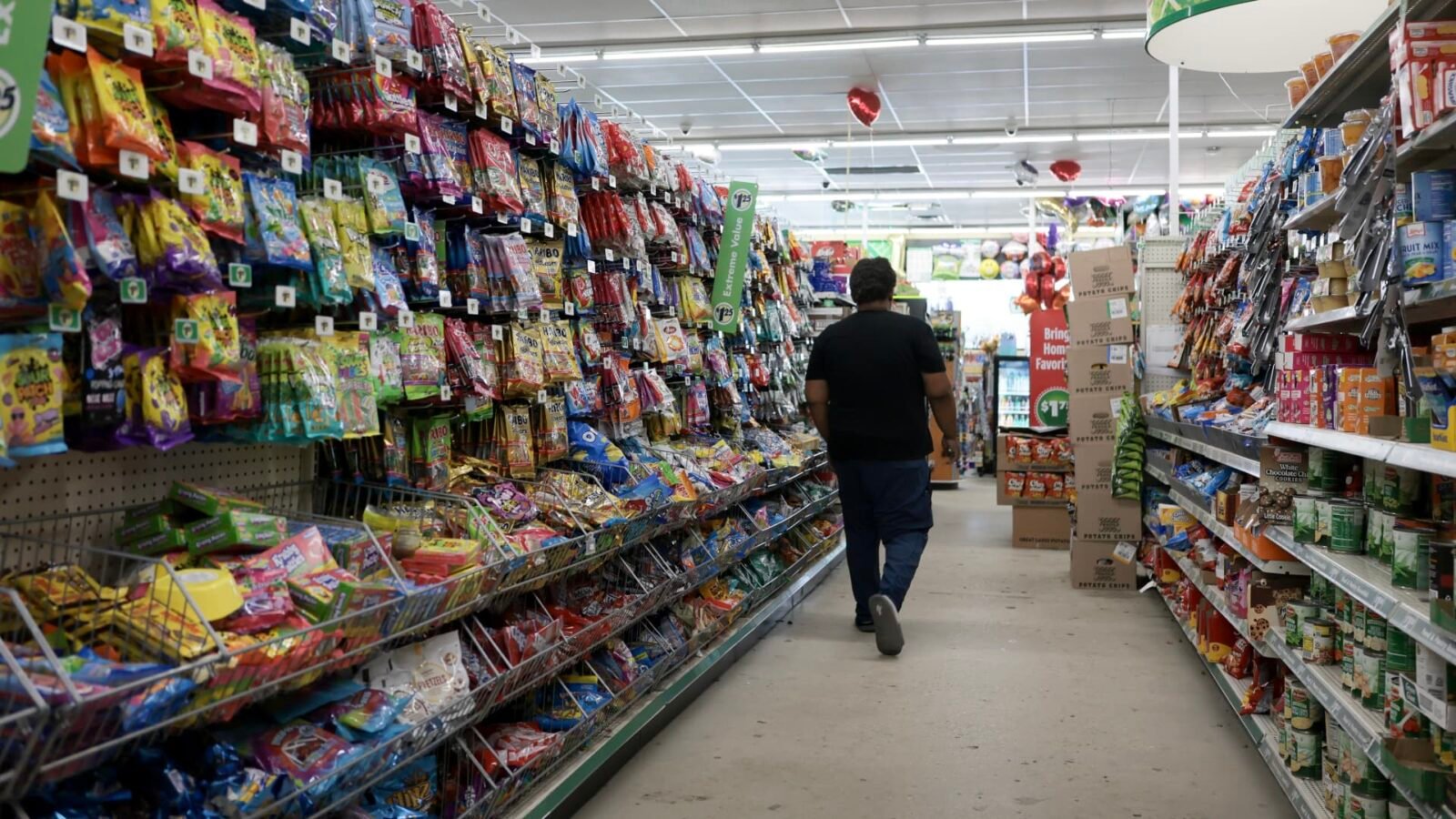

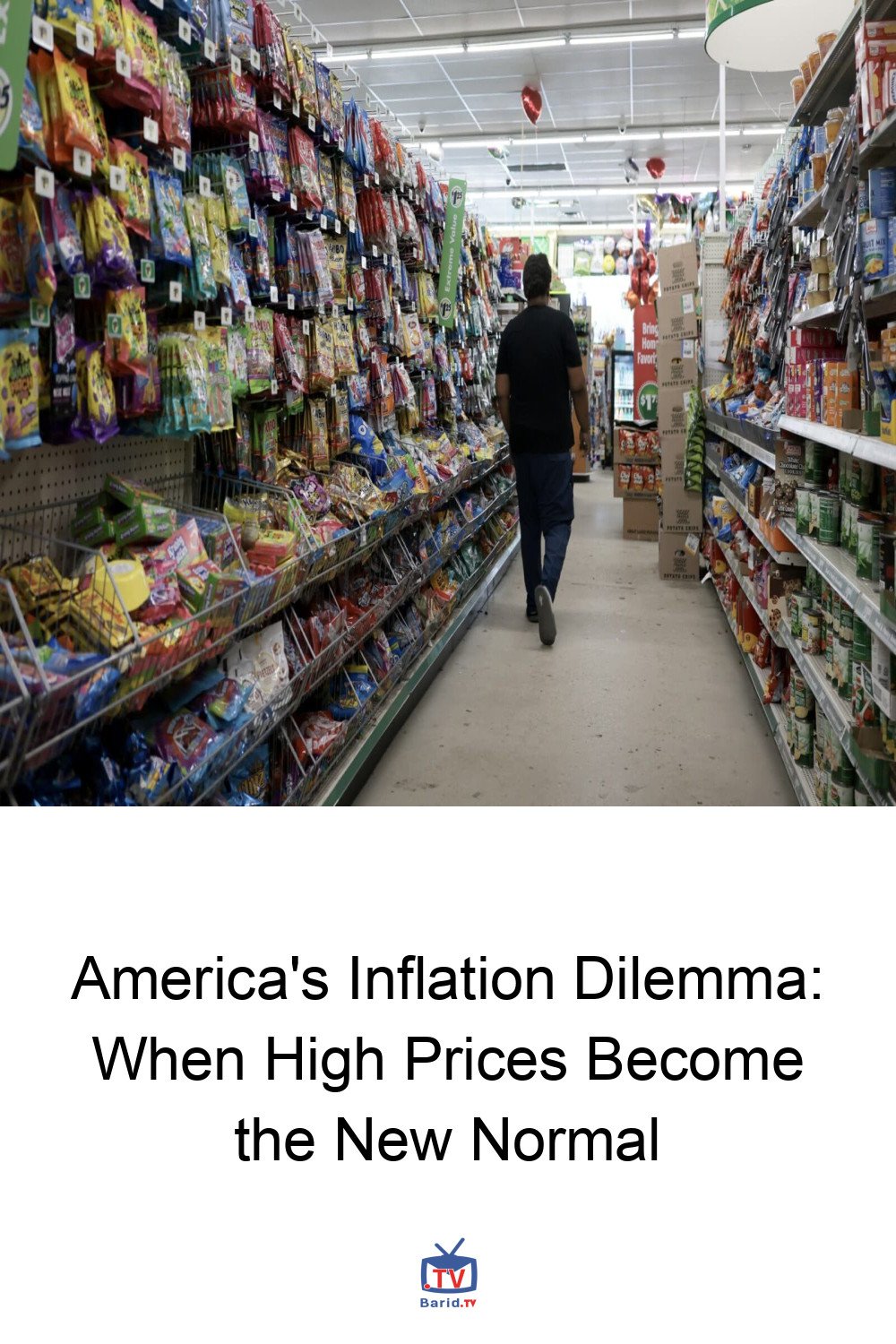
For American consumers, the relentless march of inflation has become more than just a temporary economic blip; it’s morphing into a deeply entrenched “fact of life.” A recent CNBC data analysis reveals the U.S. is navigating one of its longest sustained periods of elevated inflation on record, a trend that is not only reshaping household budgets but also raising serious concerns within the Federal Reserve.
The Stubborn Reality of Rising Prices
The latest Consumer Price Index (CPI) figures, showing a 3.7% year-over-year increase in September, underscore a troubling pattern. For over five consecutive years—approximately 65 months—annual CPI readings have stubbornly remained above the Fed’s 2% target. This prolonged spell of high prices is casting a long shadow over the economic outlook for everyday Americans, influencing everything from spending habits to political sentiments ahead of upcoming elections.
Cleveland Fed President Beth Hammack voiced the central bank’s growing apprehension last week, noting, “They’re starting to accept high inflation as just a fact of life. That’s concerning.” This sentiment highlights a critical challenge for policymakers: if consumers and businesses begin to normalize high inflation, the effectiveness of the Federal Reserve’s monetary tools could be severely hampered.
A Historical Perspective on Persistent Inflation
The current inflationary streak is not just long; it’s historically significant. According to a CNBC analysis of Bureau of Labor Statistics data, this uninterrupted run of above-2% monthly CPI readings is the longest of the 21st century. The U.S. has only witnessed two other comparable periods of such sustained inflation since the late 1940s.
Since early 2021, when inflation first surged past 2%, the average CPI reading has hovered around 4.5%. This average hasn’t been seen over such a prolonged period since the 1980s, a decade synonymous with aggressive Fed action to curb runaway prices. Adding to the concern, the New York Fed’s Survey of Consumer Expectations reported a one-year inflation outlook of 3.9% in September, its highest in over three years, indicating that consumers anticipate further price acceleration.
The Peril of Entrenched Expectations
Central bankers fear a self-fulfilling prophecy: if businesses and consumers permanently adjust their behaviors to anticipate higher prices, inflation becomes incredibly difficult to control. Businesses, expecting rising input costs, may preemptively raise prices. Workers, bracing for continued erosion of purchasing power, will demand steeper wage increases. This cycle can render the Fed’s efforts to slow price growth less effective.
“Inflation expectations have to be anchored for monetary policy to affect the economy in an effective and predictable manner,” explained Gary Richardson, an economist and former Fed historian. “That’s got to be number-one goal of any central bank.”
Fed officials are meticulously monitoring consumer responses. Minneapolis Fed President Neel Kashkari recounted a conversation with a labor union leader who described inflation as “worse” than a recession for their members. This perspective, Kashkari noted, profoundly influenced his view on the Fed’s dual mandate of price stability and maximum employment.
At a recent gathering, Cleveland Fed President Hammack stressed that the anchoring of long-run inflation expectations should not be taken “for granted.” She warned that with each passing month of high inflation, the risk of an “inflationary mindset” becoming deeply entrenched continues to grow.
The Fed’s Prescription: A Bitter Pill?
The Federal Reserve’s primary weapon against inflation is interest rate hikes, designed to cool demand and, in turn, temper price growth. Following a September rate hike, futures traders now anticipate further increases in borrowing costs in December and into 2027.
While interest rate hikes can be painful in the short term, leading to higher borrowing costs for consumers, economists like Diane Swonk, chief economist at KPMG, argue they are a necessary “cure.” Swonk likened inflation to “a cancer,” stating, “if you let it metastasize and go further, it’s even worse. Even when the cure hurts, it’s better than letting it metastasize.”
Consumers Make Tough Choices
Evidence from Hammack’s Cleveland district suggests residents are already making difficult “choices” rather than merely “trading down.” This implies a shift from seeking cheaper alternatives to having to prioritize essential spending, such as choosing between groceries or other necessities. This stark reality underscores the profound impact of sustained inflation on American households, pushing them to the brink of financial strain as the “new normal” of high prices takes hold.
For more details, visit our website.
Source: Link






Leave a comment