



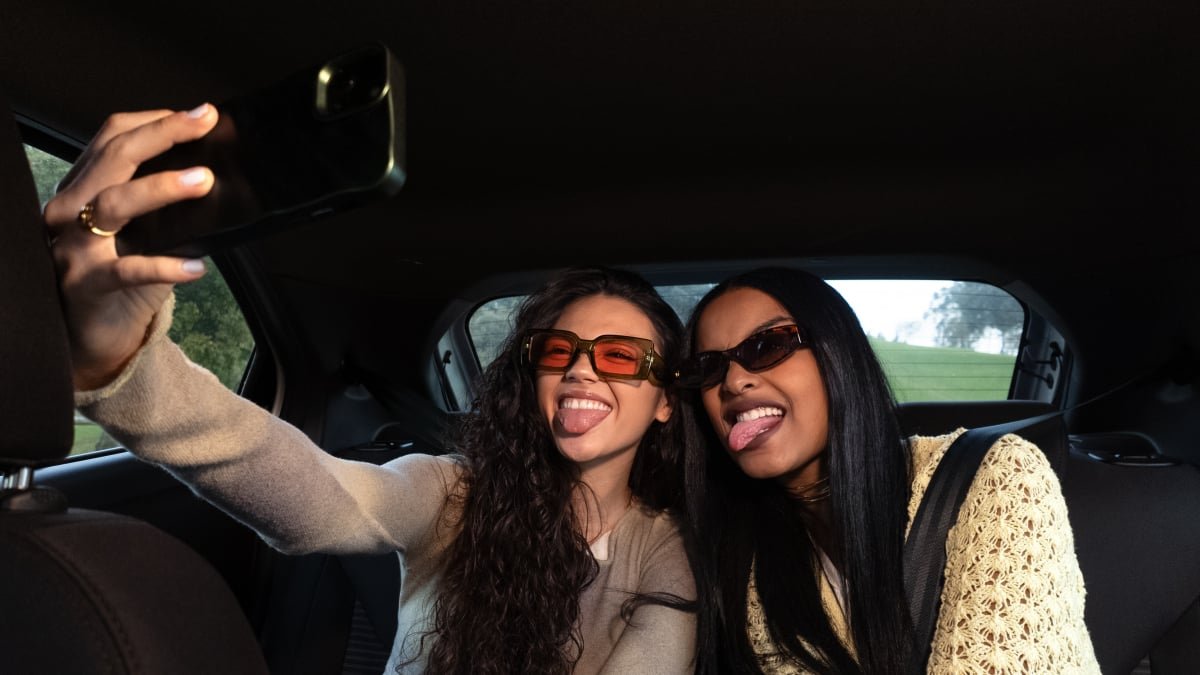

The Rise of ‘Mogging’: Collins Dictionary’s 2026 Word of the Year
In an era where digital culture rapidly shapes our lexicon, Collins Dictionary has once again captured the zeitgeist by naming “mogging” its 2026 Word of the Year. This intriguing term, which saw a staggering 210 percent increase in usage over the past year, perfectly encapsulates a modern phenomenon: the act of effortlessly outshining those around you.
What Exactly Does It Mean to ‘Mog’?
At its core, “mogging” describes the experience of someone looking so exceptionally good, or performing so outstandingly, that they inadvertently diminish the appearance or efforts of others in their vicinity. Imagine meticulously crafting a Halloween costume, only to arrive at a party and be utterly overshadowed by a peer’s homemade, animatronic masterpiece. Your costume, in that moment, has been “mogged.” The term extends beyond mere aesthetics, encompassing superiority in confidence, status, or skill.
From Bodybuilding to Mainstream: The Evolution of ‘Mogging’
The origins of “mogging” are rooted in the “manosphere” and bodybuilding communities, where it emerged around 2016 as a shortened form of “AMOG,” or “alpha male of the group.” Initially used to denote a dominant male presence, the term has since transcended its niche beginnings. According to Collins, Gen Z and Gen Alpha have playfully and ironically adopted “mogging,” applying it broadly to everything from individuals to competitive video games, stripping it of much of its original, more serious context.
“The selection of ‘mogging’ as Collins’ Word of the Year shows how each generation leaves its mark on language,” noted Alex Beecroft, Collins managing director, highlighting the dynamic nature of linguistic evolution.
A Snapshot of Modern Lexicon: Other Dictionary Choices
Collins isn’t alone in drawing inspiration from the digital realm and its evolving subcultures. Dictionary.com, for instance, crowned “maxxing” as its 2026 Word of the Year. This term reflects a pervasive contemporary drive towards optimization in all aspects of life, from sleep quality to physical appearance. “Looksmaxxing,” a practice focused on enhancing one’s physical attributes, particularly gained traction from incel forums, illustrating another instance of niche internet terminology bleeding into broader usage.
Meanwhile, Merriam-Webster’s September additions to its dictionary included “looksmaxxing,” “vibe-coding” (Collins’ 2025 pick), and “Sunday scaries,” further underscoring how deeply internet slang and cultural anxieties are embedding themselves into our everyday vocabulary. Collectively, these selections reveal a fascinating trend: language originating from specific online communities, including the “manosphere,” is increasingly becoming mainstream slang, often shedding its initial connotations along the way.
Beyond ‘Mogging’: Collins’ Other Noteworthy Contenders
The shortlist for Collins’ Word of the Year also featured several terms that resonate with current events and technological advancements:
- P(doom): An abbreviation for “probability of doom,” this term quantifies the estimated likelihood of AI leading to civilizational collapse, reflecting growing concerns around artificial intelligence.
- Ghost job: A poignant term for an advertised job position that an employer has no genuine intention of filling, highlighting frustrations in the modern job market.
- Friendslop:
Describes low-budget independent video games designed primarily for casual play with friends, a nod to the burgeoning indie gaming scene.
Other intriguing contenders included “carspreading” (for increasingly large vehicles), “fricy” (a blend of fruity and spicy), and “bixie” (a haircut combining elements of a bob and a pixie cut). Yet, in a fiercely competitive linguistic field, “mogging” ultimately outshone them all, proving its undeniable cultural impact.
The Shifting Sands of Language
The selection of “mogging” and its fellow contenders serves as a powerful reminder of how language constantly adapts, mirroring societal shifts, technological advancements, and the ever-evolving landscape of online interaction. These words are not just entries in a dictionary; they are linguistic markers of our collective present, offering insights into the preoccupations, humor, and evolving dynamics of contemporary culture.
For more details, visit our website.
Source: Link



Leave a comment