





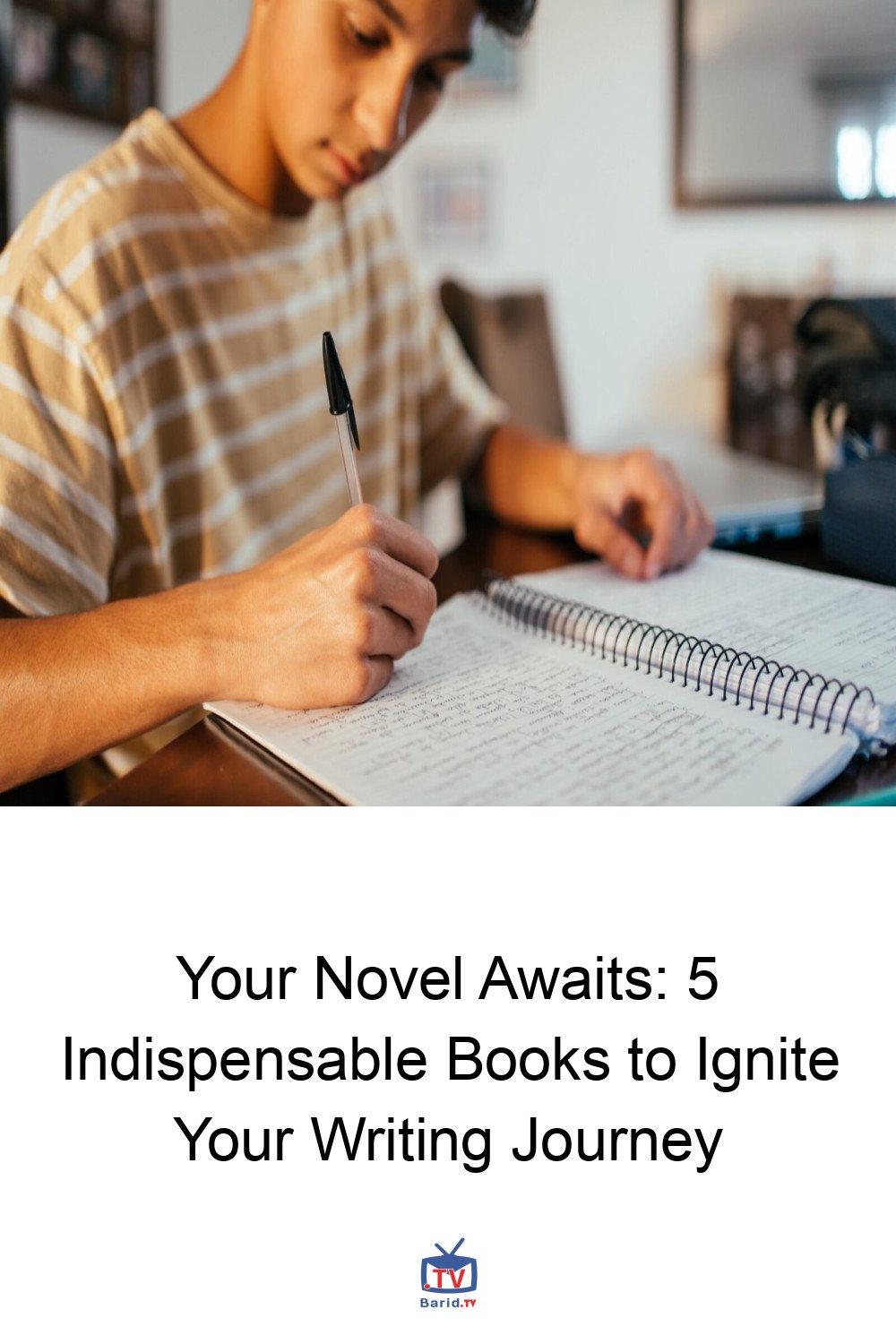
Every aspiring novelist faces the same daunting challenge: the blank page. That initial spark of an idea – a compelling character, an evocative setting, a scene that plays endlessly in your mind – often collides with the overwhelming reality of transforming it into a complete, coherent story. Before you get lost in the labyrinth of self-doubt and endless deletions, consider turning to the wisdom of those who have mastered the craft. A well-chosen writing guide can be an invaluable companion, offering not just instruction, but also encouragement and a roadmap through the creative wilderness.
The Daunting Blank Page: Finding Your Way
The journey from a fleeting thought to a published novel is long and complex. How do you hook a reader with a fictional character in the opening lines? What sustains interest through chapters where overt action is minimal? And how do you craft an ending that feels both surprising and utterly inevitable? These are the profound questions that plague every writer. Fortunately, you don’t have to answer them alone. The literary world is rich with resources from seasoned authors and coaches who demystify the process, treating fiction not as an elusive art, but as a learnable craft. These books offer a sanctuary of shared experience, practical exercises, and profound insights, reminding you that your pursuit of storytelling is a shared human endeavor.
Your Literary Mentors: Essential Guides for Novelists
1. On Writing: A Memoir of the Craft by Stephen King
With over 60 novels and 350 million copies sold globally, Stephen King is undeniably a master storyteller. In On Writing, he seamlessly weaves his personal narrative of becoming a writer with a candid, practical guide to his methods. Readers gain intimate access to King’s early encounters with narrative, his struggles before his first publication, and how writing integrates into the fabric of his life. Beyond the memoir, King delves into the nuts and bolts of the craft: vocabulary, grammar, vivid description, authentic dialogue, and the critical art of revision. His voice is direct, conversational, and immensely encouraging. The inclusion of a marked-up manuscript provides a rare, tangible glimpse into the editing process, making this an indispensable read for any aspiring novelist seeking both inspiration and technical guidance.
2. Bird by Bird: Some Instructions on Writing and Life by Anne Lamott
Anne Lamott’s beloved guide takes its title from a poignant family anecdote: her overwhelmed brother, facing a massive report on birds, was advised by their father to tackle it “bird by bird.” This simple yet profound instruction forms the core philosophy of the book. Lamott champions the idea of breaking down the seemingly impossible task of writing a novel into manageable, bite-sized pieces. With her characteristic humor and warmth, she grants writers permission to embrace messy, imperfect first drafts, acknowledging the emotional rollercoaster inherent in creative work. Her advice is a liberating antidote to perfectionism, encouraging persistence through uncertainty and the acceptance of imperfection as a vital part of the creative journey.
3. Writing Down the Bones: Freeing the Writer Within by Natalie Goldberg
Natalie Goldberg’s influential work treats writing as a meditative practice, honed through consistent repetition. Through a series of short, insightful reflections and practical exercises, Goldberg empowers writers to bypass their inner critic and get words onto the page. Her techniques create a low-pressure environment for unearthing memories, images, and unexpected connections, fostering an open and uninhibited relationship with the act of writing itself. Goldberg urges writers to keep their hand moving, to resist the immediate urge to censor or cross out thoughts. By cultivating these small habits, writers learn to observe more keenly and self-censor less, transforming the struggle of creation into a flow of discovery. If you find yourself overthinking sentences rather than writing them, this book, with over a million copies sold, is your essential guide.
4. Story Genius: How to Use Brain Science to Go Beyond Outlining and Write a Riveting Novel by Lisa Cron
Lisa Cron, an experienced story coach and former literary agent, challenges writers to dig deeper than surface-level plot points. She argues that dramatic events alone are insufficient; what truly captivates a reader is how those events impact a specific protagonist, filtered through their unique worldview and internal struggles. Cron’s methodology places the protagonist’s inner journey at the absolute heart of the novel’s development, guiding writers from an initial concept to a detailed blueprint, complete with scene-by-scene progression. The book’s aim is to forge meaningful connections between incidents by charting the protagonist’s evolving interiority. This is the book to read when you know what happens in your story but struggle to articulate why it profoundly matters to the character experiencing it.
5. Save the Cat! Writes a Novel: The Last Book On Novel Writing You’ll Ever Need by Jessica Brody
Bestselling author Jessica Brody, known for her young adult fiction, adapts the highly popular “Save the Cat!” screenwriting methodology for novelists. This book provides a clear, actionable framework for story structure, organizing narratives around 15 distinct “beats” or plot points. Brody demonstrates how these universal story beats can be applied across various genres, offering a practical template for crafting compelling plots, developing engaging characters, and ensuring a satisfying narrative arc. It’s an invaluable resource for writers who appreciate a structured approach to storytelling, helping them to outline their novel effectively and ensure every scene serves a purpose within the larger narrative. While the original content was truncated, Brody’s work is celebrated for its accessible and effective guidance on building a commercially viable and emotionally resonant story.
Embarking on your first novel is a monumental undertaking, but it doesn’t have to be a solitary or bewildering one. These five books offer a rich tapestry of advice, from the philosophical to the intensely practical, guiding you through the complexities of character, plot, and the very act of creation. Let these seasoned voices be your companions as you transform your unique idea into a captivating story.
For more details, visit our website.
Source: Link






Leave a comment