





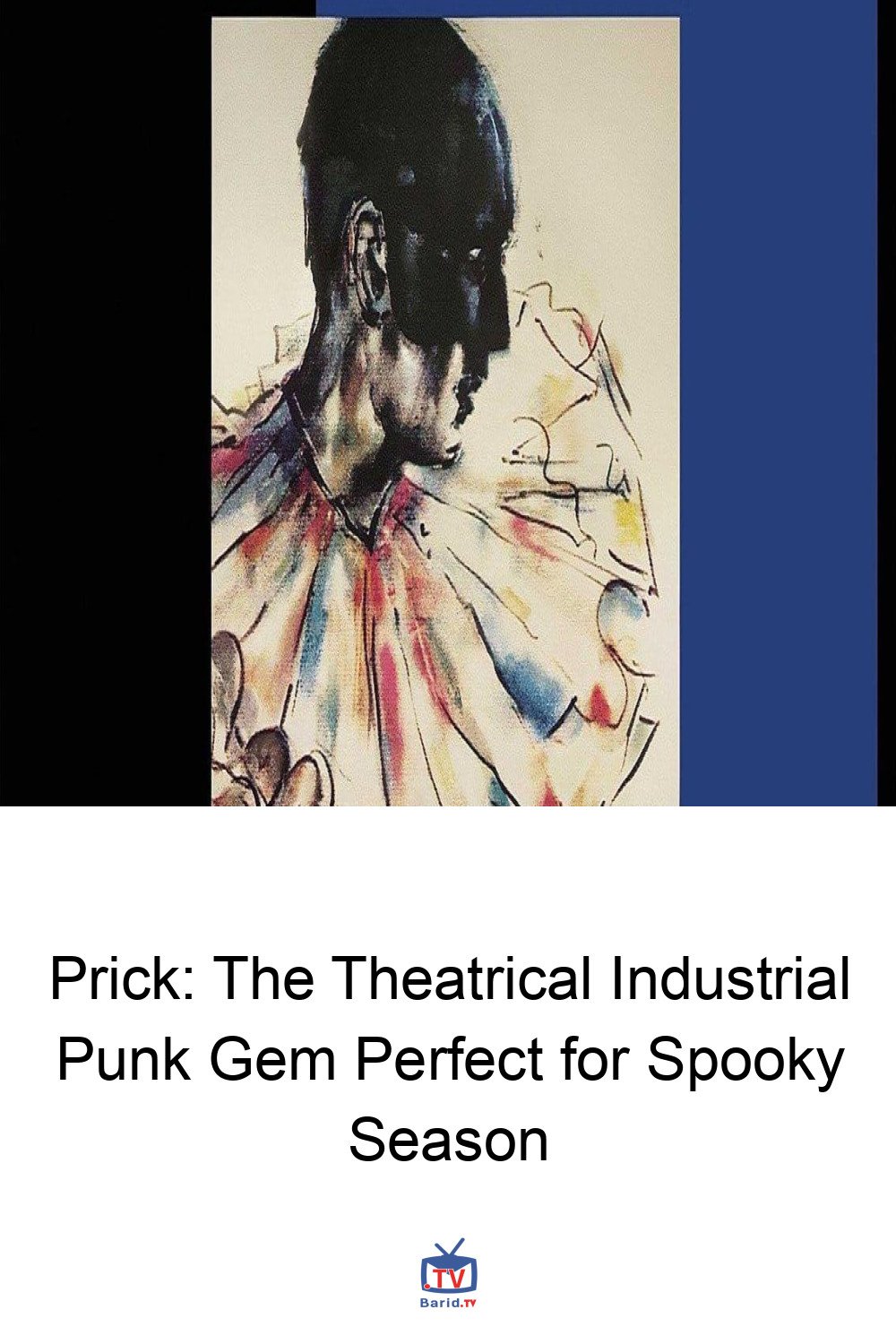
In the vast, often brooding landscape of 90s industrial music, a unique theatricality emerged from the shadows, courtesy of Kevin McMahon’s project, Prick. Imagine a world where Trent Reznor, instead of delving into computer engineering, had honed his craft in musical theatre. The result, as journalist Terrence O’Brien aptly suggests, might very well have been Prick – a band that masterfully blends the raw aggression of industrial punk with an undeniable glam-rock flamboyance, perfectly suited for the eerie allure of the spooky season.
The Reznor Connection and Theatrical Flair
The genesis of Prick’s self-titled debut is deeply intertwined with Nine Inch Nails’ seminal album, The Downward Spiral. During its intense recording, Trent Reznor lent his formidable production talents to his old friend Kevin McMahon, formerly of new wave outfit Lucky Pierre. While Reznor is officially credited on only four tracks, his sonic fingerprints are unmistakably woven throughout the record. Yet, it’s McMahon’s irrepressible “inner theater kid” that truly defines Prick, infusing the tracks with a T. Rex-esque glam and a theatrical embrace of goth that Nine Inch Nails, in its more austere approach, never quite ventured into.
A Sonic Journey Through Prick’s Debut
The album kicks off with “Communiqué,” a fuzzy explosion of simple punk riffs adorned with subtle electronic textures. McMahon’s vocal delivery is a captivating tightrope walk, shifting from half-spoken, almost musical-like verses to guttural, Al Jourgensen-esque screams. The raw, unpolished production and emphasis on live instrumentation feel like a precursor to the sound Reznor would later explore with With Teeth.
However, it’s the second track, “Riverhead,” where the Reznor influence truly comes to the fore, even without an official production credit. Here, McMahon’s vocal melodies twist and turn with the artful unpredictability of David Bowie’s Outside or Earthling eras, set against guitars that buzz with the digital charr reminiscent of NIN’s Broken EP. A pivotal breakdown around the three-minute mark builds with meticulous layers of electronic drums, mechanical chords, and looping, synthetic guitar melodies. This entire segment could easily have been a lost B-side from The Downward Spiral or even The Fragile, showcasing a depth of production that is both intricate and haunting.
Yet, Prick’s charm lies in its willingness to subvert these moments of rich layering. Tracks like “Tough” immediately follow with a sloppy, garage-punk intro, deliberately undermining the grandeur. This playful irreverence is a hallmark of Prick’s appeal. It’s a serious record in its sonic ambition, but one that never takes itself too seriously. McMahon revels in the goofy (“Pink panties, blue panties, yellow panties. I’m gonna wrap around your nose, oh panty-ho-hose” he croons on “Other People”) and the over-the-top, allowing guitars to drift out of time and bass strings to rattle, embracing an industrial lo-fi aesthetic with joyous abandon.
“Animal” and “I Apologize”: Tracks of Distinction
“Animal,” arguably the album’s most recognizable track thanks to its MTV airplay, draws parallels with Nine Inch Nails’ “Closer.” It features backward melodic samples and explores a similar thematic territory of raw desire:
Consent is all I need
To bring out the savage in me
Your scent is all I need
To bring out the animal in me
But while “Closer” seduces with slinky disco sleaze, “Animal” confronts with unbridled, shouted passion.
Then there’s “I Apologize,” a delightfully scatter-brained journey and a personal favorite. It opens with peculiar whip-crack percussion and McMahon’s flat, unaffected vocals, before veering into a jangly new wave verse that abruptly shifts into a hard-rock chorus. This fleeting structure continues, with a “Space Oddity”-era Bowie acoustic strum leading into a solo that sounds like an arcade machine on the brink of collapse. The track then plunges into a Ministry-esque dirge of layered guitars and screams, only to return to the chorus, adding elements until it’s bursting at the seams before collapsing into itself. It’s a testament to McMahon’s fearless experimentation.
Beyond the Wannabes: Prick’s Enduring Legacy
While Prick’s debut shares common ground with many 90s industrial acts, Kevin McMahon’s infectious sense of fun and theatricality sets it apart. It’s this unique spirit that elevates Prick far above the countless Nine Inch Nails imitators of the era, cementing its place as a compelling and often overlooked gem in the industrial punk canon. For those seeking a soundtrack that is both dark and delightfully unhinged, Prick offers the perfect sonic companion, especially as the nights grow longer and the veil between worlds thins.
Prick’s self-titled album is readily available on major streaming platforms, including Apple Music, Spotify, Qobuz, Deezer, and YouTube Music, inviting new listeners to discover its captivating blend of industrial power and theatrical charm.
For more details, visit our website.
Source: Link







Leave a comment