





AI Music Under Fire: Iconic Artists’ Estates Take on Suno
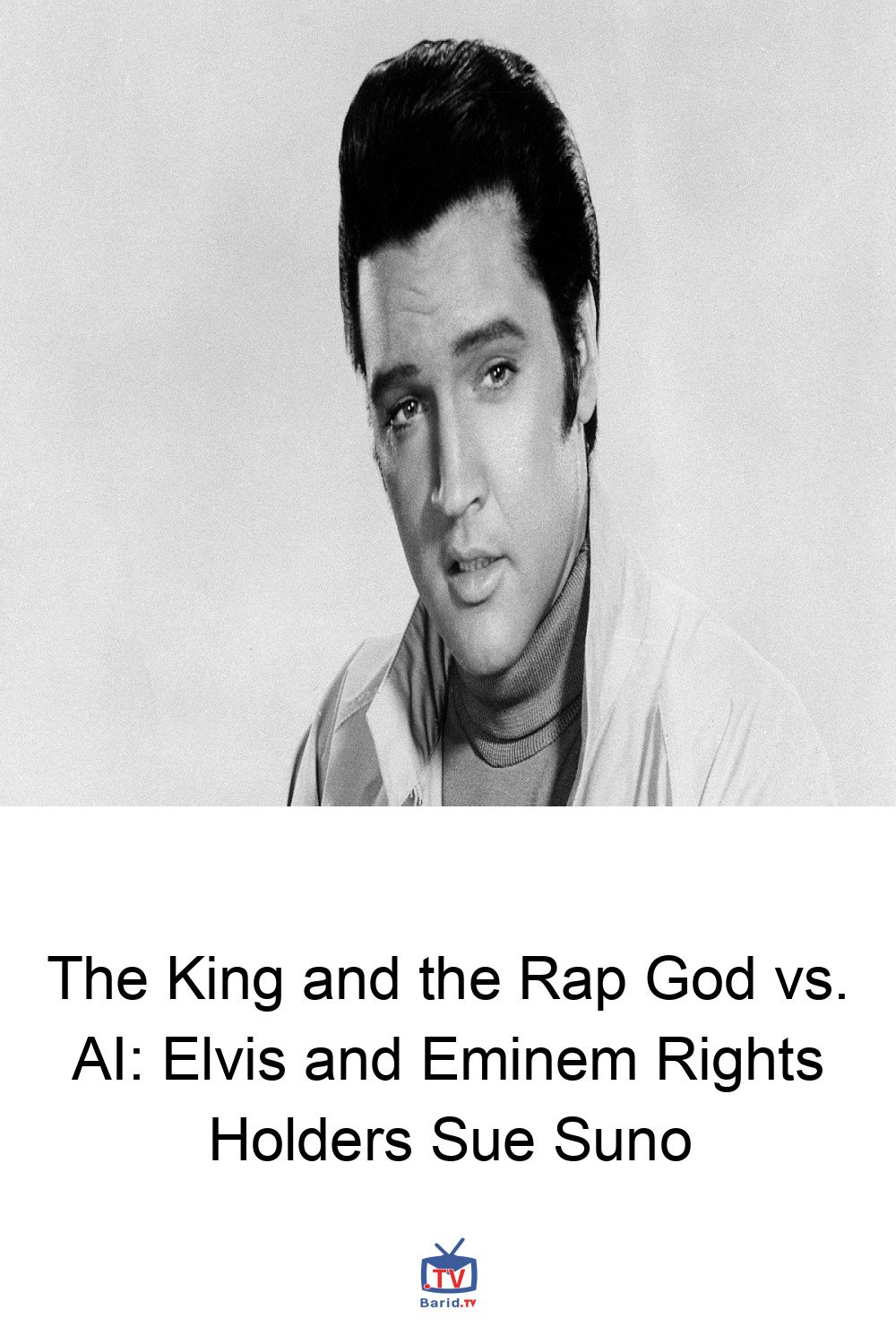
The burgeoning world of AI-generated music is facing an intensifying legal storm, as rights holders for two of music’s most legendary figures, Elvis Presley and Eminem, have launched separate lawsuits against AI music company Suno. These actions allege that Suno illegally generates music and lyrics that mimic the distinctive styles and voices of these artists, adding significant weight to the growing pile of legal challenges facing the platform.
The lawsuits, first reported by Terrence O’Brien, highlight a critical juncture in the intersection of artificial intelligence and intellectual property, with artists and their estates seeking to protect their unique creative legacies from unauthorized replication.
Violation of Likeness and Copyright Claims
In the suit brought by Elvis Presley’s rights holders, lawyers are asserting that Suno has directly violated Tennessee’s Ensuring Likeness Voice and Image Security (ELVIS) Act. This landmark legislation specifically prohibits AI companies from cloning a singer’s voice without permission, providing a potent legal framework for the Presley estate’s claims.
The legal teams representing Presley’s rights holders did not mince words, arguing that “Suno has mechanically encoded itself with artists’ identities, hard-work, creativity, and time, and harnessed them all for a consistent conveyor belt of cold hard cash.” This powerful statement underscores the core grievance: that AI platforms are profiting from the unauthorized appropriation of human artistry and effort.
Similarly, the publisher of some of Eminem’s most iconic records has joined the legal fray, alleging that Suno’s technology infringes upon their copyrights by generating content that imitates the rap superstar’s unique vocal and lyrical style.
A ‘Ravenous Race to the Bottom’
The complaints go beyond mere copyright infringement, painting a stark picture of AI’s potential impact on human creativity. Lawyers for the plaintiffs contend that “Suno’s ravenous race to the bottom aims to make human creativity obsolete, coldly replicating without a license in seconds what takes years to learn, struggle with, maintain, and endlessly attempt to make better and perfect.” This sentiment reflects a broader anxiety within the creative industries about the long-term implications of AI on artistic livelihoods and the value of human-generated art.
These new lawsuits closely mirror an earlier action filed by artist Jason Isbell and others in September, which also claimed Suno created imitations of plaintiffs’ work, though that suit did not directly allege copyright infringement in the same manner as the current cases.
Suno’s Stance and Safeguards
In response to the escalating legal pressure, Suno spokesperson Cat McCormack reiterated the company’s position to The Verge. McCormack stated, “Suno exists to help people create new, original music, not to trade on anyone’s name or likeness, and we prohibit any unauthorized use of an artist’s work.”
Suno claims to have implemented measures to prevent misuse, including prohibiting prompts for specific artists’ names and songs. Furthermore, the company asserts it works with third-party providers to screen uploaded audio files and lyrics for potential infringement. McCormack added, “We are always working to strengthen our guardrails and we will continue to add new safeguards that protect artists and our users.”
The Broader Landscape of AI Music Litigation
These latest legal challenges involving Elvis Presley and Eminem’s rights holders are not isolated incidents. Suno is already embroiled in a series of high-profile lawsuits from major industry players, including Sony, Universal Music Group (UMG), Jason Isbell, and Reservoir Media, among others. The cumulative weight of these legal battles signals a pivotal moment for the AI music industry, as courts begin to grapple with defining the boundaries of AI creativity, intellectual property, and artist rights in the digital age.
For more details, visit our website.
Source: Link





Leave a comment