





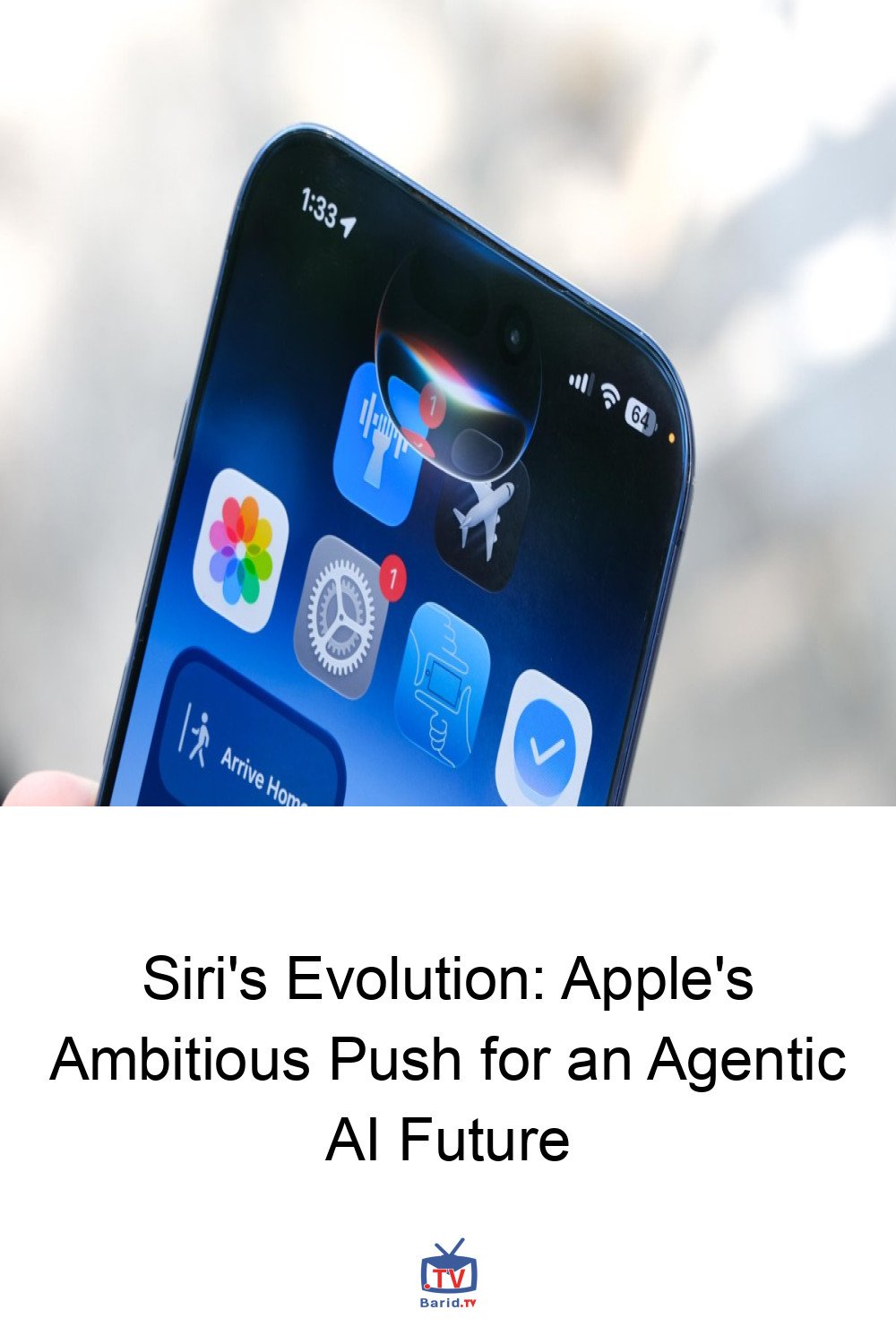
Apple is reportedly accelerating its efforts to transform Siri into a far more sophisticated and “agentic” artificial intelligence. This ambitious overhaul aims to equip the voice assistant with the ability to control third-party applications and execute complex, multi-step tasks, marking a significant leap from its current capabilities.
The Urgency from Cupertino
According to a recent report by Bloomberg’s Mark Gurman, Apple CEO John Ternus is applying considerable pressure on AI lead Craig Federighi to fast-track the Siri development roadmap. The objective is clear: deliver a robust AI agent that can effectively compete with advanced rivals such as OpenAI’s Dots and Meta’s Muse. While Federighi has successfully launched a functional version of Siri AI under tight deadlines, the company acknowledges it’s currently trailing its competitors in the rapidly evolving AI landscape.
Immediate Enhancements: First-Party Control
The coming months are expected to bring two pivotal improvements to Siri. The first, anticipated with iOS 27.3, will grant Siri enhanced, fine-grained control over Apple’s native applications. This means users could soon command Siri to perform intricate actions like rotating and cropping images within the Photos app or efficiently organizing tabs in Safari, streamlining everyday tasks within the Apple ecosystem.
Expanding Horizons: Third-Party Integration
A more transformative update is slated for later in the Spring: deep integration with third-party applications. This crucial development, as per Gurman, will empower Siri to interact directly with external services. Imagine asking Siri to place a food order through Grubhub or effortlessly booking a dinner reservation via OpenTable – these are the kinds of seamless, cross-app interactions Apple envisions for its revitalized assistant.
Beyond One-Offs: The Agentic Future
These initial steps are merely the beginning of Apple’s grander vision for Siri. The company is committed to evolving Siri into a truly agentic AI, moving beyond simple, single commands to enable ongoing task management. Gurman elaborates:
“Dots, Muse and Grok can keep track of goals, determine what needs to happen next and continue pursuing objectives without the user initiating every individual step. Apple ultimately wants to go in this direction, I’m told, and I believe the company could make Siri more like an agent as early as next year — not that it has much of a choice, given current consumer and market demands.”
This shift signifies a move towards an AI that can proactively manage objectives, anticipate user needs, and execute complex workflows autonomously, without requiring constant prompts. The competitive pressure from other tech giants and the escalating demands of consumers are undeniably fueling Apple’s accelerated pursuit of this advanced AI future.
The article was originally reported by Terrence O’Brien, The Verge’s weekend editor, a seasoned tech journalist with over 18 years of experience covering the industry.
For more details, visit our website.
Source: Link








Leave a comment