




A Web of Intrigue: Nvidia, Espionage, and the Global Tech Battleground
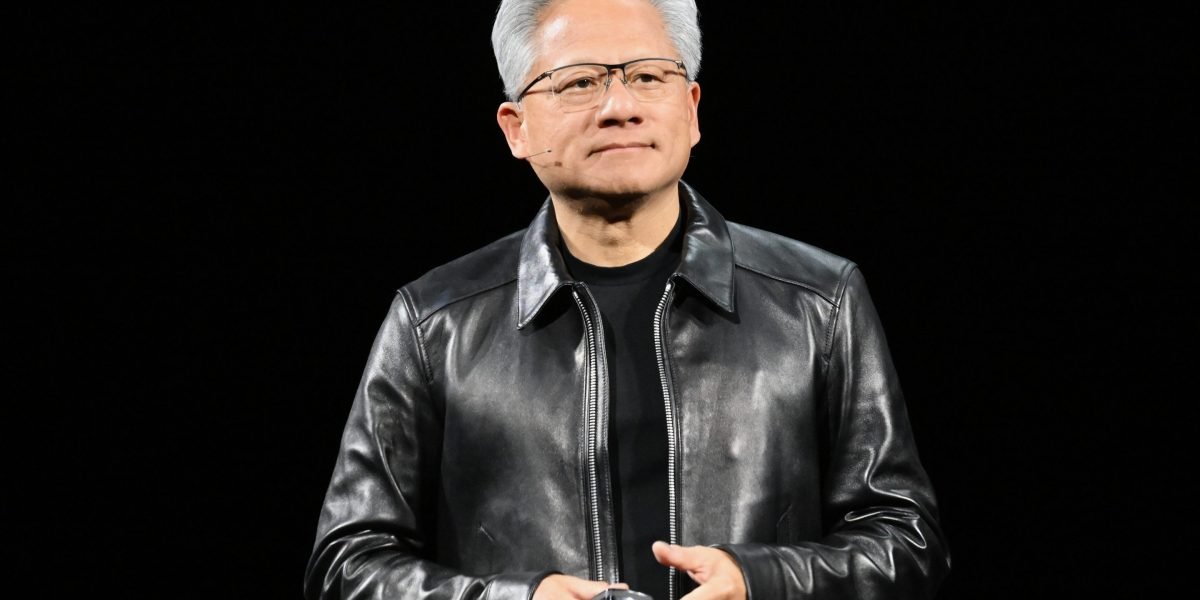
The world of high-stakes technology and geopolitics has been rocked by revelations surrounding Nvidia CEO Jensen Huang, whose alleged romantic entanglement with a suspected Chinese spy has triggered an internal investigation at the AI chip giant. This dramatic development unfolds against a backdrop of intensifying economic warfare and industrial espionage between the United States and China, underscoring the critical vulnerabilities at the intersection of innovation and national security.
Nvidia Launches Probe Amid Espionage Allegations
Nvidia’s board of directors has swiftly moved to establish an independent committee, overseen by outside counsel, to investigate reports that CEO Jensen Huang was the target of a foreign intelligence operation. The probe was initiated following claims that Huang had a romantic relationship with Alice Huang, a Megaspeed executive whom U.S. intelligence suspects of working for China’s Ministry of State Security. Jensen Huang, who is not related to Alice Huang, has reportedly admitted to the affair in an internal message to employees, expressing deep regret for his actions.
In a public statement, Nvidia’s board affirmed its commitment to U.S. national and economic security, stating, “While the Board has no reason to believe that either national security or NVIDIA secrets were compromised, the Board’s inquiry will examine all available information.” This investigation is paramount, given Nvidia’s pivotal role in developing the advanced AI chips that power large language models and are central to global technological supremacy.
Megaspeed and the Shadow of Chip Smuggling
The allegations extend beyond personal conduct, touching upon Megaspeed, a Singapore-based data center company that rapidly ascended to become one of Nvidia’s largest customers in Asia, securing over $4.8 billion in chips in just two years. U.S. officials reportedly believe Alice Huang was feeding sensitive information to China. Furthermore, Megaspeed itself came under U.S. investigation last year for allegedly facilitating the smuggling of restricted AI chips into China—an accusation the company has denied. The intertwining of these narratives paints a complex picture of a concerted effort to circumvent export controls and gain access to critical technology.
The Pentagon’s Covert Offensive: A New Era of Economic Warfare
The Nvidia scandal emerges amidst a broader and more aggressive stance by U.S. defense and intelligence agencies in the realm of industrial espionage and economic warfare. Recent reports suggest the Pentagon is actively planning covert spying programs, deploying “nonofficial cover officers” who would pose as executives to infiltrate foreign entities. Politico further revealed the Defense Department is quietly establishing an elite agency, the Technology Support Office, to covertly sabotage foreign technology programs deemed a threat to U.S. military superiority. While the Pentagon has denied these specific reports, dismissing them as misinformation, other indicators point to a significant escalation.
Expanding the Intelligence Frontier
CIA Deputy Director Michael Ellis confirmed in September that the U.S. is expanding its espionage efforts against China, specifically targeting companies in sensitive sectors like AI, biotechnology, and advanced chips. Concurrently, the Pentagon formed the Economic Defense Unit, dedicated to “deterring, denying, disrupting, and helping to defeat adversaries through economic means.” These initiatives signal a clear strategic shift, where economic leverage and technological advantage are increasingly seen as critical components of national defense.
AI: The Ultimate Strategic Asset
The centrality of AI technology, particularly advanced chips, in this geopolitical contest cannot be overstated. The Trump administration previously restricted exports of Nvidia’s most cutting-edge products to China, recognizing the strategic importance of these components. The U.S.-China AI rivalry is a driving force behind rapid development, but also a source of immense tension and risk.
Domestic Tensions: The Anthropic Case
The Pentagon’s assertive approach isn’t limited to foreign adversaries; it also extends to domestic tech companies. The case of Anthropic, an AI startup whose models were initially used by the military, illustrates this tension. A dispute arose when Anthropic CEO Dario Amodei, while affirming patriotism, refused to allow its AI to be used for mass domestic surveillance or autonomous weapons. The Pentagon, insisting on lawful use without company-imposed limits beyond those constraints, ultimately ordered the phasing out of Anthropic’s technology and designated it a supply-chain risk. Though an appeals court later ruled the designation illegal, the incident highlights the military’s determination to control and leverage cutting-edge AI, even if it means clashing with its developers.
Conclusion: Navigating a Perilous Landscape
The Nvidia CEO controversy, coupled with the Pentagon’s evolving strategies, paints a vivid picture of a world where technology, business, and national security are inextricably linked. As the U.S. and China vie for technological supremacy, the lines between corporate competition, economic warfare, and intelligence operations blur, creating a perilous landscape for global businesses and national interests alike. The stakes are higher than ever, demanding unprecedented vigilance and strategic foresight from all players on this complex global stage.
For more details, visit our website.
Source: Link







Leave a comment