



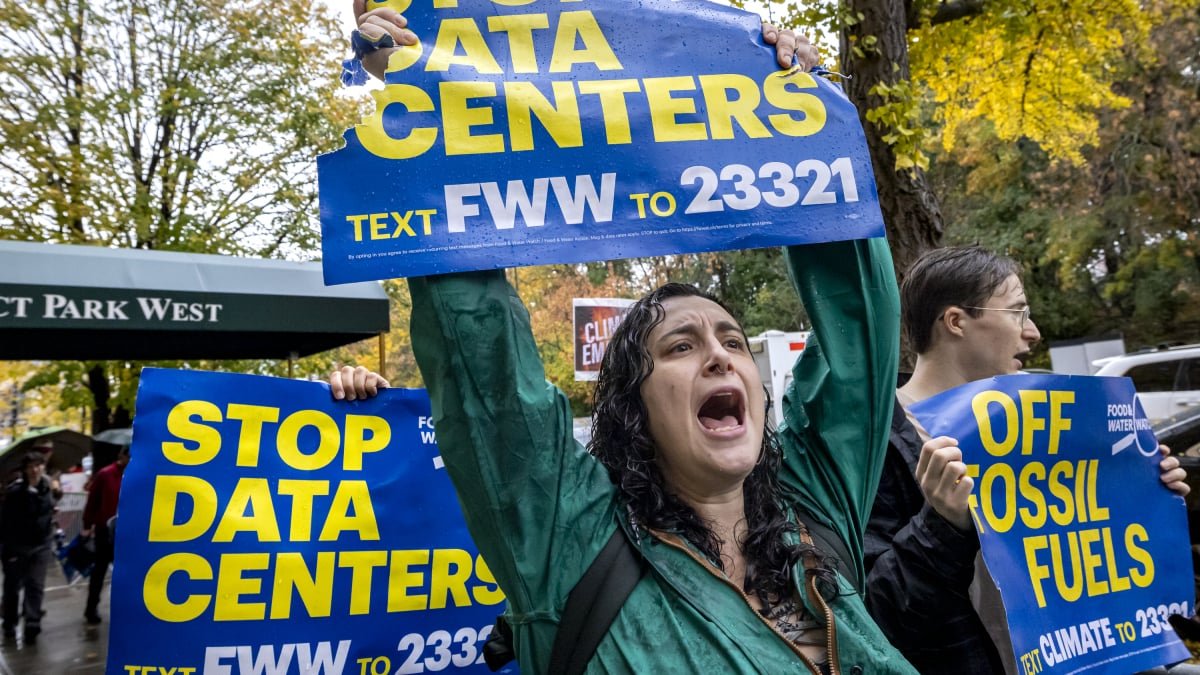

While Election Day 2026 saw a nationwide surge in public sentiment against the burgeoning growth of data centers, with over 40 measures passed to curb their expansion, one small town in North Dakota appears to have bucked the trend. Harwood, a community of fewer than a thousand residents, cast a decisive vote against imposing additional restrictions on data center developments, raising questions about its unique stance amidst a broader “AI reckoning.”
Harwood’s Unanimous “No” to More Red Tape
In a surprising turn, the majority of Harwood’s voters rejected a ballot measure that sought to introduce more stringent steps for the town’s evaluation, approval, and administration of large-scale developments like data centers. Out of 430 votes cast in the town of 845 (or 940, depending on the source), approximately 75 percent opposed the proposed restrictions. This outcome stands in stark contrast to the prevailing mood across the U.S., where communities are increasingly voicing concerns over the environmental impact, resource consumption, and aesthetic changes brought by these massive technological hubs.
The $3 Billion Project at Stake
The local debate in Harwood is not merely theoretical. Just outside the town lies the proposed site for a colossal $3 billion, 1.8-million-square-foot data center, spearheaded by developer Applied Digital. While the direct approval of this specific project wasn’t on the ballot, the vote against further bureaucracy signals a local willingness to facilitate such large-scale technological investments, a position that has garnered national attention.
Is Harwood Truly Unique?
The Washington Post, in its coverage, went so far as to suggest that Harwood might be “the only town in the U.S. that said yes to data centers.” While the ballot measure didn’t directly approve a data center, the residents’ clear rejection of additional hurdles for such developments effectively signals a welcoming stance. This makes Harwood an anomaly in a landscape where towns and states are increasingly moving to slow or outright ban data center growth, driven by concerns that Mashable’s Rebecca Ruiz termed “the AI reckoning.”
The Broader Context: A Growing Backlash
The year 2026 witnessed a significant escalation in public backlash against both artificial intelligence and the immense data centers required to power it. Voters across the country used their ballots to express discontent, leading to a wave of approvals for measures designed to restrict or halt new data center constructions. This trend is expected to continue, with predictions that the list of U.S. states that ban data centers could expand further in 2027.
Harwood’s decision, therefore, offers a fascinating counter-narrative to this widespread opposition, highlighting the complex interplay between local economic aspirations, technological advancement, and community sentiment. It remains to be seen whether Harwood’s path will inspire other communities or if it will indeed remain a singular exception in the evolving saga of data center expansion.
For more details, visit our website.
Source: Link








Leave a comment