




Click or Cushion? A Journalist’s Guide to Choosing Your Perfect Keyboard
Once a niche interest reserved for dedicated enthusiasts, mechanical keyboards have surged into mainstream popularity over recent years. This shift has many users contemplating an upgrade from their familiar membrane keyboards. But what truly sets these two fundamental input devices apart, and which one is the right fit for your typing style, budget, and workspace?
Understanding the Core Difference: The Mechanism Beneath Your Fingers
At the heart of the mechanical vs. membrane debate lies a fundamental difference in how keystrokes are registered. In a traditional membrane keyboard, keys press down on a flexible layer of plastic and rubber. A keystroke is recorded when this layer makes contact with a conductive surface on the circuit board below. These are the keyboards you’ve likely encountered in schools, offices, and bundled with most desktop computers.
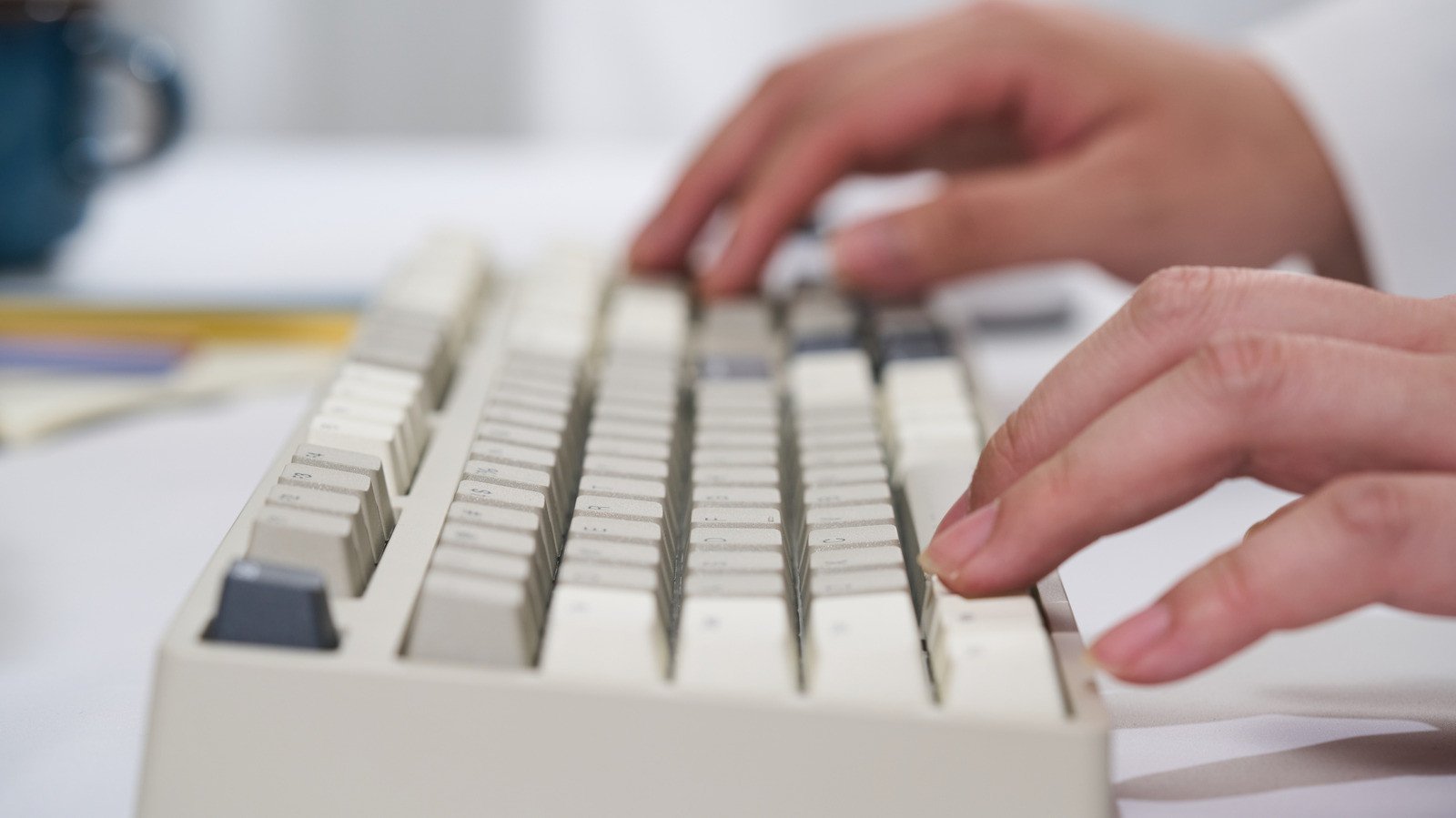
Conversely, mechanical keyboards feature individual switches under each keycap. Each switch is a self-contained unit, and a keystroke is registered at a specific point within its travel distance. This distinct mechanism accounts for the vastly different typing experiences offered by the two types.
Membrane Keyboards: The Accessible and Quiet Workhorse
Pros: Simplicity and Affordability
Membrane keyboards boast several undeniable advantages, primarily their accessibility and cost-effectiveness. You can easily find a basic model for under $20 at almost any electronics retailer, making them the go-to choice for budget-conscious users or those needing a simple, functional keyboard. Their widespread availability also means you’re never far from a replacement.
Another significant benefit, particularly in shared environments like offices, is their quiet operation. Membrane keyboards are virtually silent, ensuring your typing doesn’t become a distraction for colleagues or housemates. This makes them ideal for environments where noise reduction is paramount.
Cons: Durability and Limited Customization
Despite their practicality, membrane keyboards come with notable drawbacks. They are generally less durable than their mechanical counterparts, with the underlying membrane wearing out much faster than individual mechanical switches. Should a single key fail, the entire keyboard often needs replacing, as membrane models are typically not designed for repair.
Furthermore, customization options are severely limited. While you can find various membrane keyboards, you’re largely restricted to their out-of-the-box design, lacking the flexibility to swap keycaps or fine-tune the typing feel that mechanical keyboards offer.
Mechanical Keyboards: A Tactile and Durable Upgrade
Pros: Longevity, Feedback, and Customization
Where membrane keyboards falter in durability, mechanical keyboards truly shine. While a membrane keyboard might be rated for around 10 million keystrokes, many mechanical switches are designed to withstand 100 million or more. This robust construction translates to a significantly longer lifespan.
Maintenance and customization are also major selling points. Keycaps are easily removed for cleaning or swapping, and many modern mechanical keyboards feature “hot-swappable” switches. This innovation allows users to replace individual switches without soldering, making repairs and personalization incredibly straightforward.
Mechanical keyboards also typically offer superior “key rollover,” meaning they can accurately detect multiple simultaneous inputs. This is a crucial advantage for fast typists and gamers, preventing missed keystrokes and ensuring precision. Perhaps the most celebrated aspect is the tactile and auditory feedback provided by mechanical switches. Whether it’s a satisfying audible click or a distinct tactile bump, this feedback, combined with varying actuation points (the distance a key needs to be pressed to register), often leads to a more consistent, comfortable, and efficient typing experience for many users.
Cons: Size, Noise, and Cost
However, the benefits of mechanical keyboards come with their own set of considerations. They are generally larger, heavier, and taller than membrane models. This increased height can contribute to wrist fatigue or pain if proper ergonomic practices, such as wrist elevation, are not followed. Their bulk also makes them less ideal for travel.
The distinctive noise produced by many mechanical switches can also be a point of contention. While some users revel in the “clacky” or “thocky” sounds, others might find them distracting or disruptive, especially in quiet environments. Finally, mechanical keyboards typically command a higher price point, though the market has seen an influx of more affordable options in recent years, narrowing the cost gap.
Making Your Choice: What’s Right for You?
Ultimately, the decision between a mechanical and membrane keyboard often boils down to personal preference, budget, and intended use. If you prioritize affordability, quiet operation, and a simple, no-frills input device, a membrane keyboard remains a perfectly viable choice. However, if you crave superior durability, a more satisfying and consistent typing experience, advanced customization, and don’t mind a potentially higher price tag or a bit more noise, then exploring the world of mechanical keyboards is undoubtedly a worthwhile endeavor. With an ever-expanding array of switches, keycaps, and form factors, finding a mechanical keyboard that perfectly suits your needs has never been easier.
For more details, visit our website.
Source: Link





Leave a comment