
In a bold move signaling a significant escalation of its economic pressure campaign, the Trump administration has unveiled “Operation Economic Outcast,” a sweeping plan designed to cripple Iran’s economy by targeting its global “enablers.” The ambitious strategy threatens secondary sanctions against any entity, anywhere in the world, found to be facilitating the Islamic Republic’s financial and trade activities. This aggressive stance immediately raised questions about its potential impact on China, Iran’s largest trading partner, with Treasury Secretary Scott Bessent making it clear that Beijing would not be exempt.
Operation Economic Outcast: A Global Sanctions Offensive
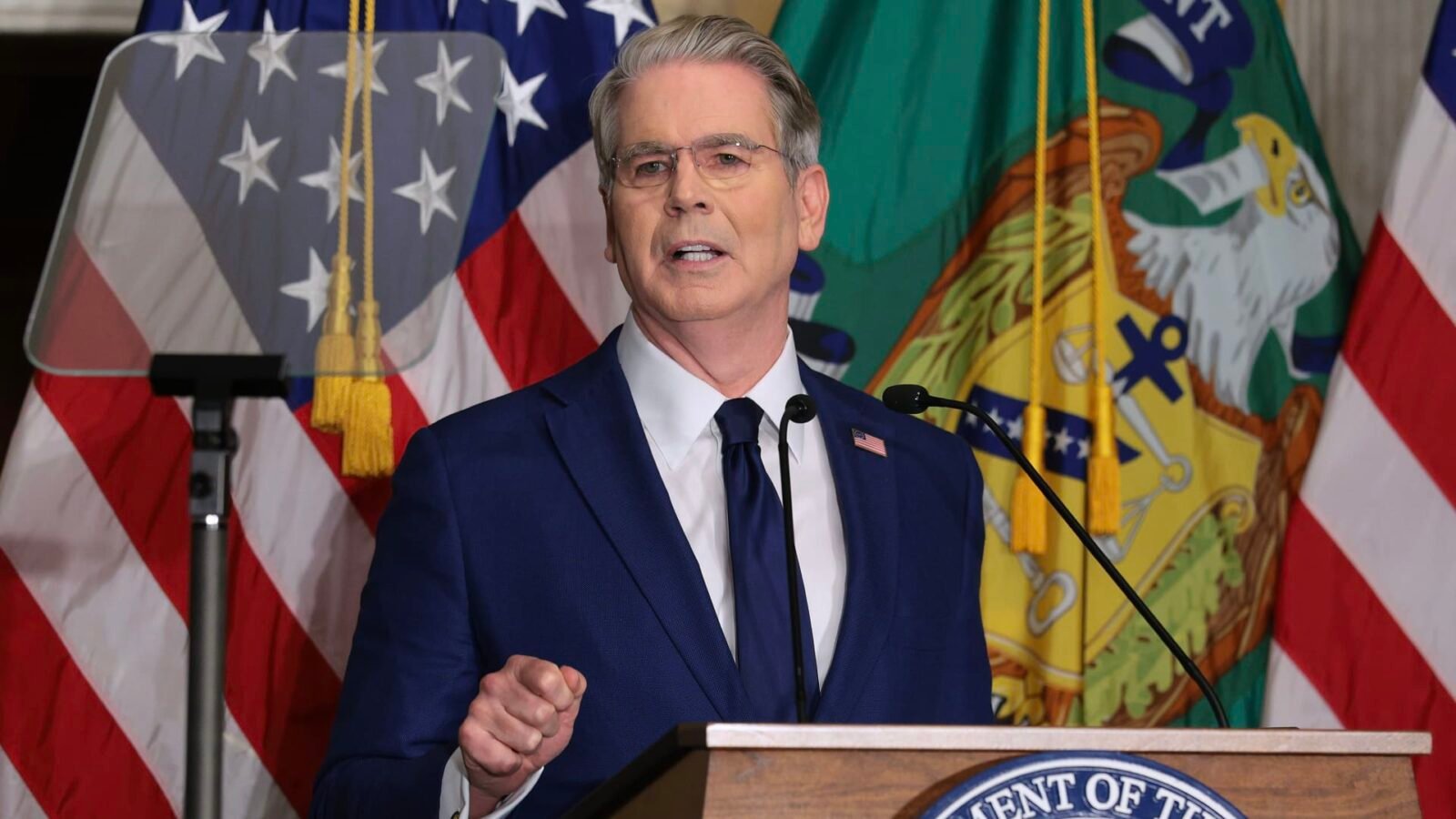
Launched with the stated aim of isolating Iran’s financial connections worldwide, “Operation Economic Outcast” represents a new phase in Washington’s efforts to sever the regime’s economic lifelines. Treasury Secretary Scott Bessent, announcing the initiative, declared an “economic onslaught against Iran’s financial connections around the globe.” President Donald Trump is reportedly engaging world leaders directly, making “specific requests to cease their interactions” with Tehran.
While the promised sanctions are not yet active, the U.S. plans to issue timelines to individual countries, demanding they “shut down activities we have identified.” Bessent emphasized the severity of the impending measures, stating, “Any entity that facilitates money laundering on behalf of Iran will be removed from the U.S. dollar system. The clock just started ticking.”
The China Conundrum: No One Above the Reach?
The unveiling of “Operation Economic Outcast,” which President Trump had previously dubbed Iran’s “Economic D-Day,” quickly brought the spotlight onto China. As Iran’s top trading partner, Beijing’s continued engagement with Tehran poses a direct challenge to the U.S. strategy. This comes amidst a delicate trade truce between Washington and Beijing, following a tumultuous trade war last year and high-level meetings between Presidents Trump and Xi Jinping.
Despite the sensitive diplomatic landscape, Secretary Bessent left no room for ambiguity regarding China’s potential vulnerability. When pressed on whether Chinese banks would be targeted, or if they would be spared to preserve U.S.-China relations, Bessent asserted, “We want to make clear here today that no one is above the reach of U.S. sanctions.” He added, “If they facilitate transactions and are part of the ecosystem that turns Iranian oil into money, into repression, they will be targeted.”
Broadening the Economic Battlefield
This intensified economic offensive arrives as the U.S. conflict with Tehran approaches its six-month mark, with little indication of a clear military or diplomatic resolution. A fragile ceasefire agreement from June has largely unravelled, and the vital Strait of Hormuz, though less active than before the conflict, continues to offer Iran strategic leverage. The administration’s objective, as articulated by Bessent, is to “sever every economic lifeline that sustains this tyrannical regime until Tehran stands alone.”
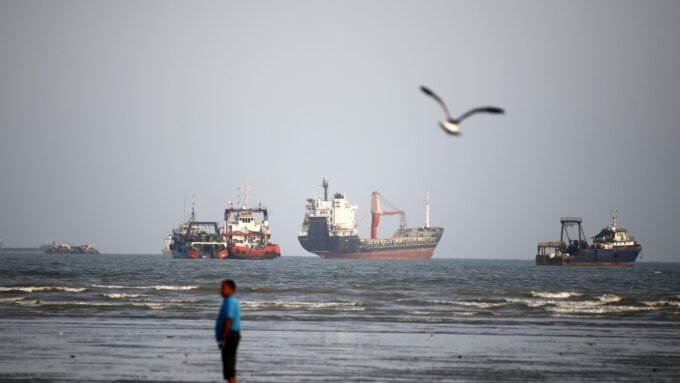
The scope of “enablers” targeted by the U.S. is extensive, encompassing those involved in buying or transporting Iranian oil, facilitating financial transactions, accepting Iranian flights, and enabling seaborne transfers. Furthermore, the sanctions are expanding to include participants in Iran’s digital assets, technology, gold, aviation, and shipping sectors, signaling a comprehensive effort to choke off all avenues of economic support for the Iranian regime.
For more details, visit our website.
Source: Link