
In a significant diplomatic move, Iran and Oman are actively engaged in discussions to establish a joint shipping corridor through the strategically vital Strait of Hormuz. This initiative, aimed at ensuring safer navigation and potentially leading to a permanent administrative arrangement for the strait, unfolds against a backdrop of heightened regional tensions and conflicting international statements.
A Bid for Maritime Stability
Officials from both nations convened in Tehran, where Oman’s Foreign Minister, Sayyid Badr bin Hamad Albusaidi, expressed optimism for an imminent announcement regarding a temporary corridor and “practical arrangements to restore safe navigation.” These constructive talks with Iran’s top diplomat, Abbas Araghchi, are seen as a crucial step towards de-escalation and collaborative management of one of the world’s most critical oil transit choke points. The long-term vision includes a permanent solution for the strait’s administration, with further discussions planned with regional partners to foster peace, cooperation, stability, and freedom of navigation.
Contradictions and Threats: The Mine Clearing Mission
Central to the proposed framework is a joint project to clear the Strait of Hormuz of mines. This revelation from Oman’s Foreign Ministry directly contradicts earlier assertions by then-President Donald Trump, who claimed the U.S. Navy had already removed all mines from international waters in Hormuz. The discrepancy highlights the complex and often conflicting narratives surrounding maritime security in the region.
Adding another layer of tension, these discussions between Muscat and Tehran occurred shortly after the U.S. Treasury Secretary, Scott Bessent, announced impending sanctions against any entity engaging in business with the Islamic Republic. Earlier, President Trump had even threatened military action against Oman, a U.S. ally, in response to its diplomatic overtures with Iran regarding the strait.
Navigating a Precarious Path
The current dialogue between Iran and Oman stems from a provision within a memorandum of understanding (MOU) signed by Washington and Tehran on June 17. This interim agreement had initially sought to define future administration and maritime services in Hormuz. However, the MOU quickly unraveled amidst escalating disputes over shipping lanes.
Divergent Shipping Routes and Rising Dangers
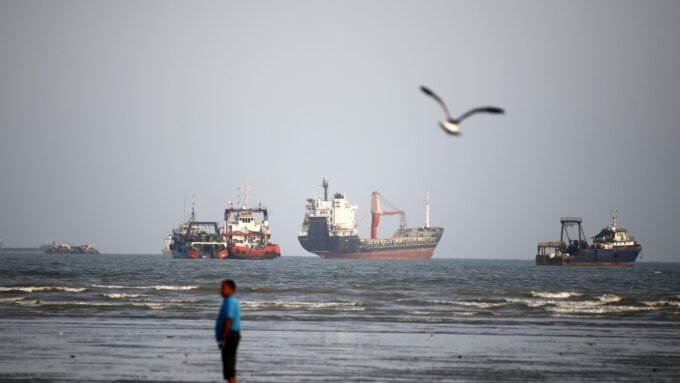
The U.S. military has been actively protecting ships utilizing a southern route along Oman’s coast, with U.S. Central Command reporting the safe transit of over 660 million barrels of crude oil under its escort since May. Conversely, Iran insists that vessels use a northern route through its territorial waters, warning of potential attacks for non-compliance. This divergence has led to perilous incidents, including an oil tanker being struck near Oman and two cargo ships coming under attack in Hormuz, resulting in fatalities, underscoring the urgent need for a unified and secure maritime framework.
As Iran and Oman seek common ground, their efforts could pave the way for a more stable future in the Strait of Hormuz, or further expose the deep geopolitical fissures that threaten global energy security.
For more details, visit our website.
Source: Link