
The Global Push for Digital Safeguards: Nations Restricting Youth Social Media Access
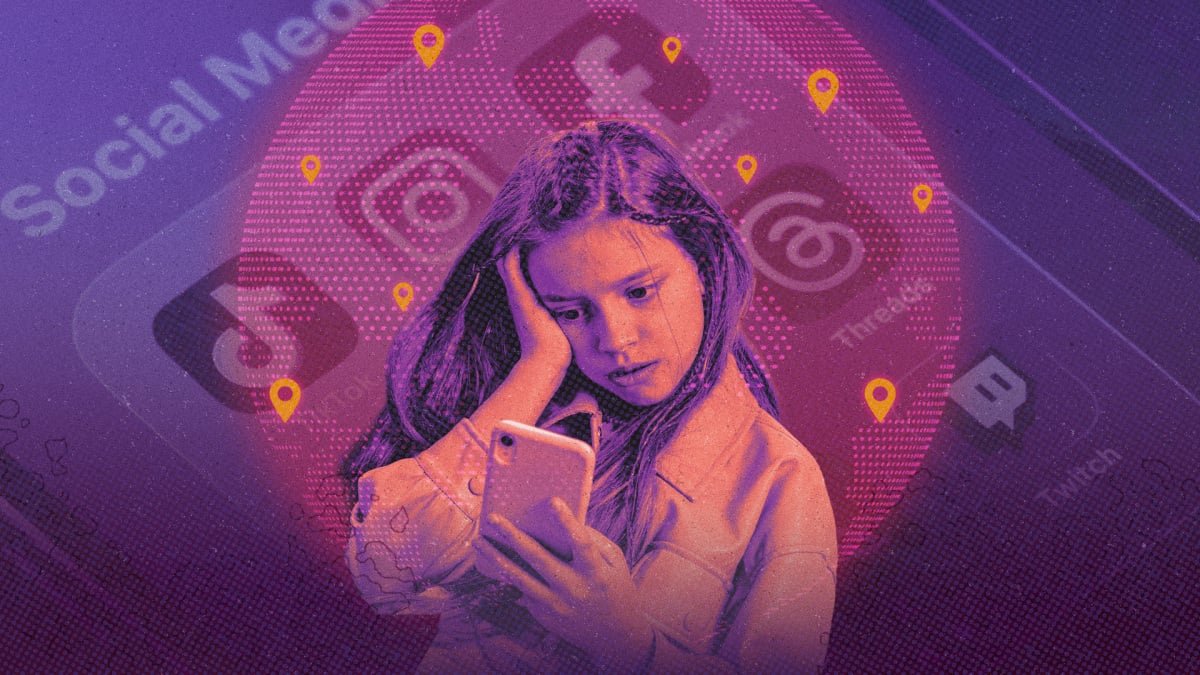
The landscape of digital interaction is rapidly evolving, with a significant global trend emerging: governments are increasingly legislating to restrict children’s access to social media platforms. Children under 16 have become a central focus in political discourse, as nations worldwide grapple with the pervasive influence of Big Tech on young minds. From Australia to Europe, a concerted effort is underway to rein in the addictive designs and potentially harmful content that dominate online spaces.
Governments cite a litany of concerns driving this legislative wave, including the urgent need to combat child sexual exploitation, mitigate cyberbullying, address rising rates of self-harm, and safeguard children’s mental health. The discussion also extends to the “addictive” nature of platform design, the prevalence of violent content, and exposure to pornography. However, these burgeoning laws are not without their critics, facing scrutiny over their effectiveness, potential infringements on digital privacy, and questions surrounding free speech. Moreover, resourceful young users are already demonstrating an ability to circumvent these new digital barriers.
So, where do we stand on this global front? Which countries are leading the charge in implementing social media bans and stringent age verification? Let’s explore the current landscape, starting with the nation that set the initial precedent.
Australia: The Pioneer’s Mixed Results
Australia initiated this global movement in December 2025 with its groundbreaking Online Safety Amendment (Social Media Minimum Age) Act, a world-first social media ban for children under 16. This legislation mandates platforms like TikTok, Instagram, Facebook, YouTube, X, and Snapchat to enforce age verification and take “reasonable steps” to prevent minors from creating accounts. Despite its ambitious intent, a July 2026 study by Australian government advisors indicated the ban’s effectiveness has been limited. The legal challenges are also mounting, with Reddit notably pursuing a lawsuit against the measures.
Austria: Education Alongside Restriction
Following Australia’s lead, Austria announced a bill in March 2026 to prohibit social media use for children under 14. With a draft expected by summer, Austria’s proposed legislation goes a step further by integrating a new compulsory subject, “Media and Democracy,” into school curriculums. This educational initiative aims to equip young people with the critical skills to “recognise disinformation and radicalisation,” fostering a more informed digital citizenry.
Brazil: Guardianship and Design Limits
Brazil’s Digital Statute of Children and Adolescents, a comprehensive social media ban, came into effect in March 2026. This law requires users under 16 to link their social media accounts with a legal guardian. Furthermore, tech platforms must implement age verification for access to adult content and are legally obliged to limit “features designed to artificially increase, sustain, or extend” the time children spend on their platforms, including the automatic playback of videos.
Canada: Broadening the Scope to AI
Canada is poised to ban users under 16 from holding social media accounts, with a proposed Safe Social Media Act announced on June 11, 2026. This legislation will enforce age verification for online services and impose legally mandated safety requirements on platforms such as TikTok, YouTube, and Instagram. Notably, Canadian law will also extend its reach to companies utilising AI chatbots like ChatGPT, Gemini, and Claude, reflecting a broader concern for digital safety.
Denmark: Awaiting Details
Denmark’s Prime Minister, Mette Frederiksen, announced plans for a social media ban for children under 15 on October 8, 2025. While the Associated Press suggests the law could materialise in 2026, specific dates and detailed provisions are yet to be released. Early reports indicate that parents might retain the option to permit their children to use social media from the age of 13.
European Union: A Continent-Wide Conversation
An EU-wide social media ban for children under 13 is a distinct possibility, following an announcement on July 13, 2026. Ursula von der Leyen, President of the European Commission, presented a report on online safety for children, advocating for age-appropriate restrictions, mandatory parental supervision for social media use, and a crucial requirement for digital platforms to “prove that their services do no harm.” This initiative extends beyond traditional social media, potentially impacting “other digital services such as AI companions, video-sharing platforms, and video games.”
France: Europe’s First Official Ban
France is on the cusp of approving its social media ban for children under 15, having reached a governmental compromise on the bill on July 20, 2026. Once enacted, France will become the first European nation to officially implement such a ban. According to Le Monde, the legislation will prevent under-15s from creating new accounts as of September 1, with all existing accounts falling under the new law by January 2027.
Germany: Under Consideration
While Germany has not yet rolled out a social media ban, the government is actively considering similar measures, indicating a potential future shift in its digital policy for minors.
Greece: Addressing Digital Well-being
Greece plans to ban social media for children under 15, a proposed law announced by Prime Minister Kyriakos Mitsotakis on April 8, 2026. In a TikTok video, translated by the BBC, Mitsotakis cited concerns over sleep issues and the negative impact on children’s mental health as key drivers for this legislative push.
The Evolving Landscape of Digital Childhood
The global momentum behind restricting children’s social media access underscores a growing international consensus on the need to protect young people in the digital age. While the approaches vary, from outright bans and age verification to educational initiatives and guardian oversight, the overarching goal remains consistent: to foster a safer, healthier online environment for the next generation. The ongoing debate highlights the complex interplay between technological advancement, individual freedoms, and governmental responsibility, shaping a future where digital citizenship is carefully curated from an early age.
For more details, visit our website.
Source: Link