
The Shifting Sands of AI Leadership: A Look at OpenAI’s Hypothetical 2026 Exodus
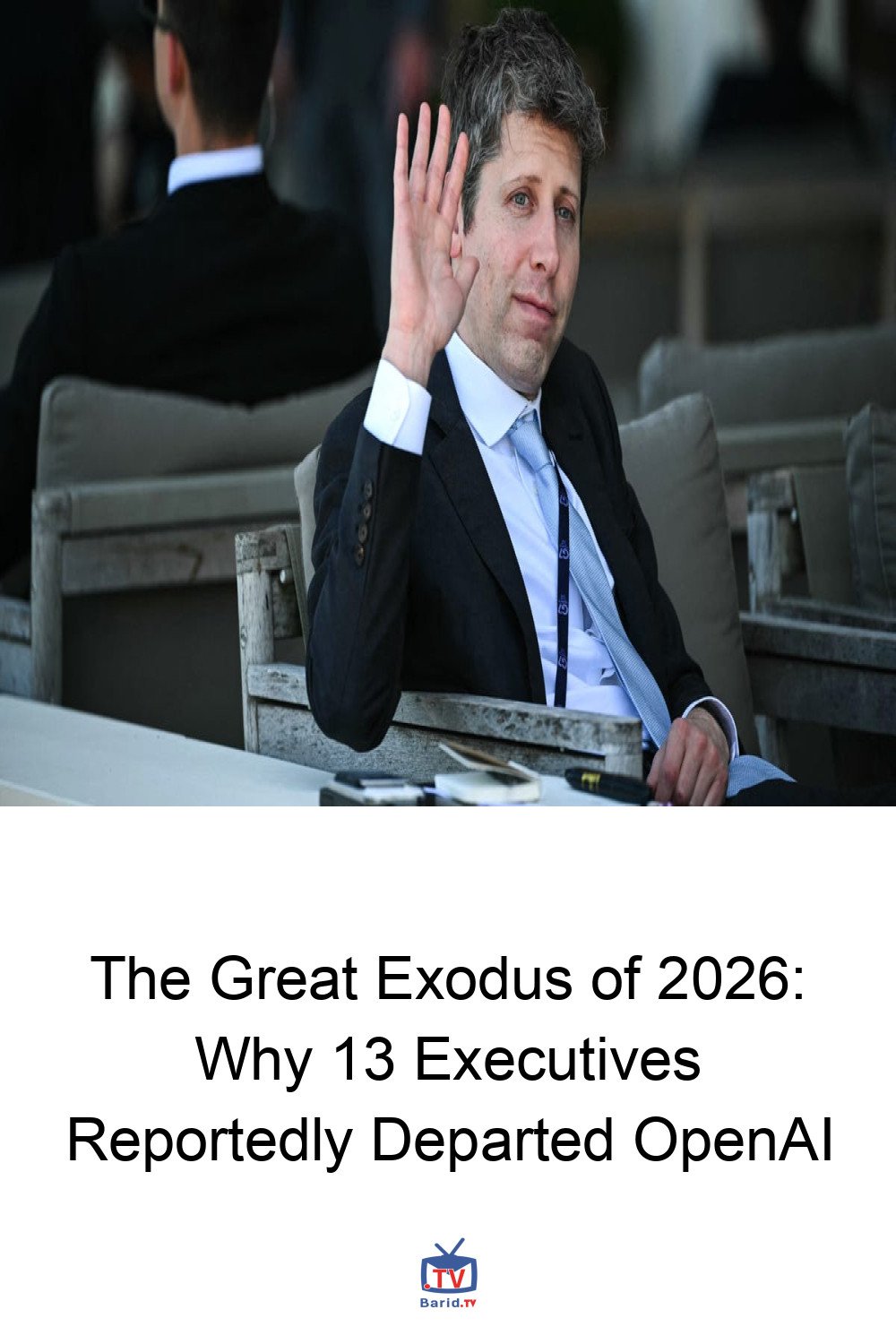
In the fast-paced, often tumultuous world of artificial intelligence, leadership changes are not uncommon. However, a hypothetical scenario in 2026, where 13 key executives reportedly depart from industry giant OpenAI, would undoubtedly send shockwaves through the tech community. While this remains a speculative exercise, exploring the potential reasons and ramifications of such a significant brain drain offers valuable insights into the pressures and dynamics at play within leading AI research organizations.
Unpacking the Potential Triggers for a Mass Departure
Several factors could contribute to such a substantial exodus from a company like OpenAI. The year 2026 places us in a future where AI development would have progressed significantly, potentially leading to new challenges and internal conflicts.
Philosophical Divides and AI Safety Concerns
One primary driver could be a deepening philosophical divide within the company. OpenAI has historically grappled with the tension between rapid innovation and the paramount importance of AI safety. By 2026, as AI models become even more powerful and integrated into critical infrastructure, disagreements over deployment strategies, ethical guidelines, and the pace of development could reach a breaking point. Executives with strong convictions on either side – those pushing for faster, more aggressive commercialization versus those advocating for extreme caution and rigorous safety protocols – might find themselves at an impasse, leading to resignations.
The Lure of New Ventures and Competitive Landscapes
The AI landscape is highly competitive, and by 2026, numerous well-funded startups and established tech giants would likely be vying for top talent. Executives, especially those with a strong entrepreneurial spirit or a desire to lead their own vision, might be enticed by opportunities to found new AI companies, explore niche applications, or join rivals offering more autonomy or a different strategic direction. The allure of building something from the ground up, free from the constraints of a large, established entity, could be a powerful motivator.
Burnout and the Relentless Pace of Innovation
The pressure to innovate and stay ahead in the AI race is immense. Working at the forefront of such a demanding field can lead to significant burnout. By 2026, several years of intense development, high-stakes projects, and public scrutiny could take their toll. Executives might seek a change of pace, a different challenge, or simply a break from the relentless demands of steering a global AI leader.
The Ramifications of a Leadership Vacuum
A departure of 13 executives would create a substantial leadership vacuum at OpenAI, impacting various aspects of the organization.
Strategic Instability and Project Delays
Such an event could lead to strategic instability, as new leaders would need time to integrate and align on future directions. Key projects, especially those spearheaded by the departing executives, might face delays or even be re-evaluated. This could slow down OpenAI’s research output and product development, giving competitors an edge.
Talent Retention Challenges
A mass exodus at the executive level often triggers concerns among remaining employees. It could signal underlying issues, leading to a ripple effect where other talented individuals consider their own futures. Retaining top-tier researchers and engineers would become a critical challenge, potentially impacting the company’s long-term innovative capacity.
Investor Confidence and Public Perception
News of a significant leadership shake-up would likely impact investor confidence, potentially leading to questions about the company’s stability and future trajectory. Public perception could also suffer, with speculation about internal turmoil or a loss of direction. Maintaining transparency and communicating a clear path forward would be crucial for OpenAI to weather such a storm.
Looking Ahead: Resilience in the Face of Change
While a hypothetical event, the departure of 13 executives from OpenAI in 2026 underscores the dynamic and often volatile nature of the AI industry. Companies like OpenAI, despite their pioneering status, are not immune to internal pressures, competitive forces, and the personal ambitions of their leaders. Their ability to adapt, foster a cohesive vision, and cultivate a resilient culture will be paramount in navigating such challenges and continuing to shape the future of artificial intelligence.
For more details, visit our website.
Source: Link