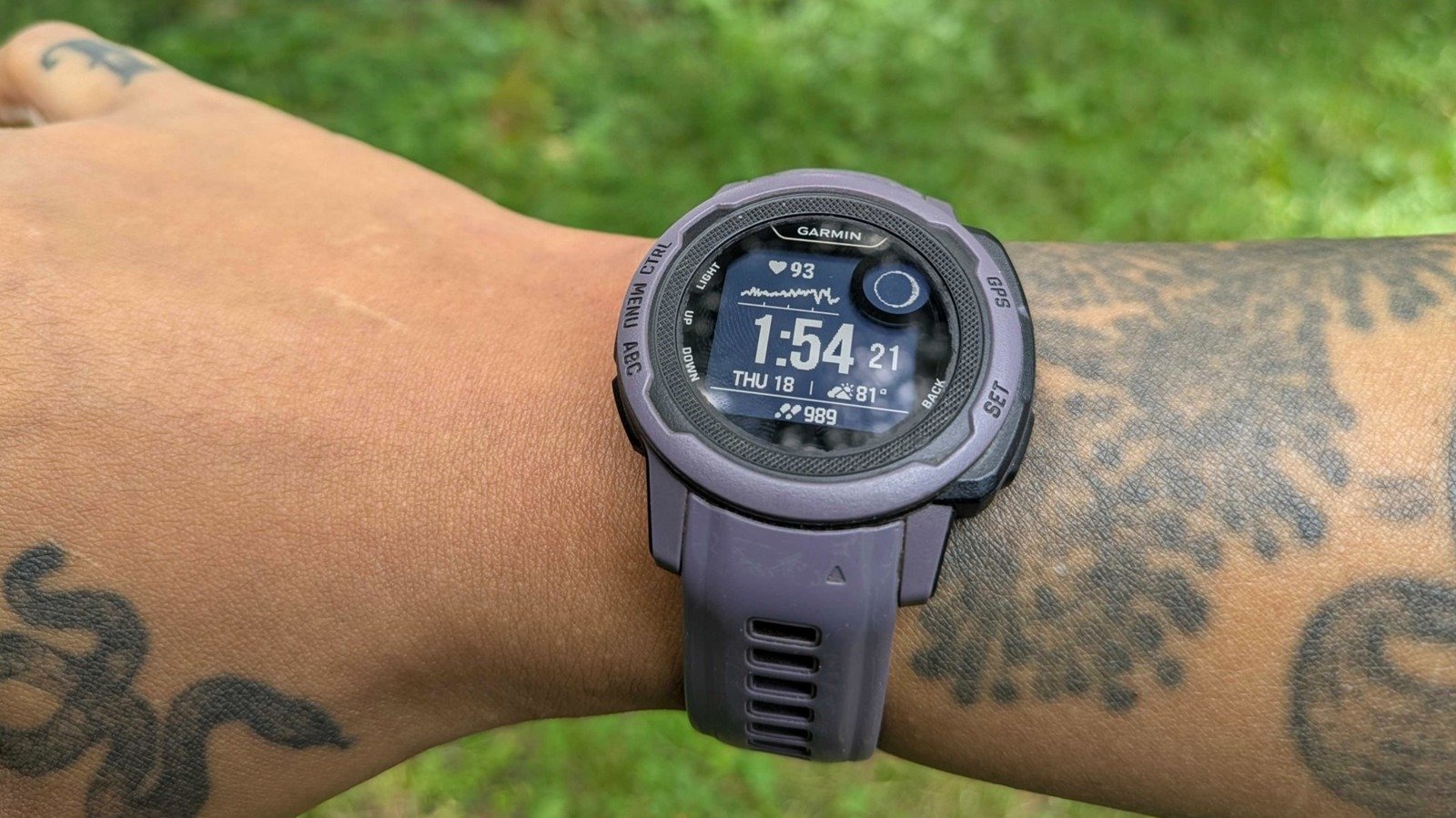

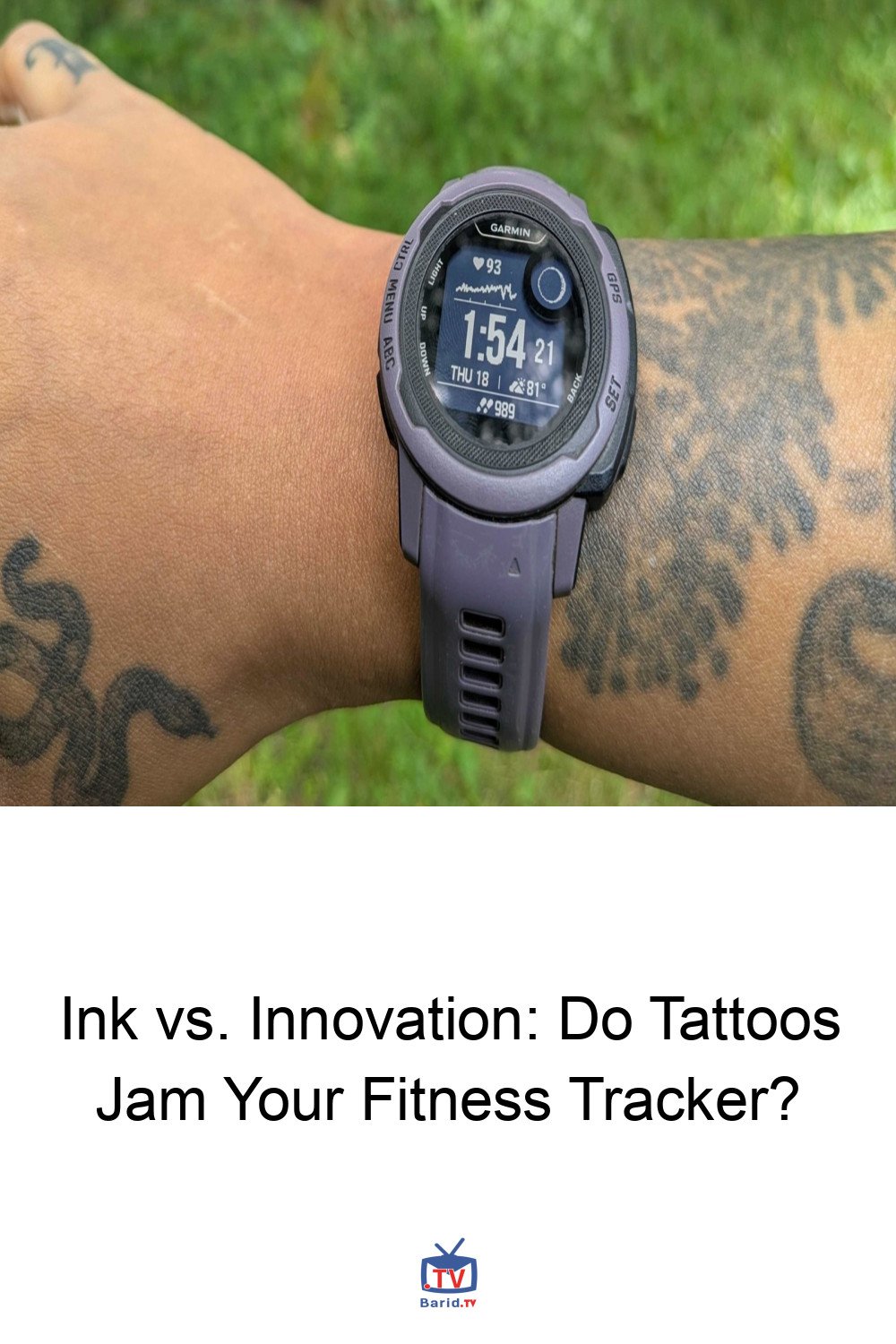
Imagine investing in the latest fitness tracker, eager to monitor your health and activity, only to discover it struggles to function on your tattooed wrist. This isn’t a rare glitch but a surprisingly common frustration for many with body art, highlighting a fascinating intersection of personal expression and advanced technology.
The Pigment Problem: How Tattoos Disrupt Wearable Tech
At the heart of most fitness tracker issues lies their reliance on light-based sensing technologies. The most prominent is photoplethysmography (PPG), the technique used to measure heart rate. When you flip your device over and see that familiar green light, it’s attempting to penetrate your skin, detect blood flow changes, and calculate your pulse. However, tattoo ink, with its varying colors, densities, and saturation, can act as a formidable barrier, scattering or absorbing this light and leading to inaccurate or entirely missing readings.
Beyond heart rate, many wearables also employ light sensors for crucial wrist detection. This feature ensures the device knows it’s being worn, preventing constant re-authentication and enabling continuous tracking. A wrist covered in dense tattoo work can fool the device into thinking it’s not on skin at all, forcing users into a cycle of repeatedly unlocking their tracker just to interact with it. Accelerometers and electrical sensors also play a role, but light remains a primary component.
Manufacturers Acknowledge the Challenge
This isn’t merely a consumer grievance; device manufacturers themselves have acknowledged the issue. Garmin, for instance, explicitly states on its support pages: “Tattoos (ink, pattern, saturation) can block the heart rate sensor’s light, causing inaccurate or missing readings. For best performance, wear the watch on skin that is free of tattoos if possible.” Apple issued similar advisories with the launch of its first Apple Watch, indicating this has been a known hurdle for years.
Seeking Solutions: Workarounds for Tattooed Wearers
While a universal fix remains elusive, the tattooed community has developed several ingenious, if imperfect, workarounds:
- Strategic Placement: If the inside of your wrist or another part of your arm offers clear, untattooed skin, repositioning the tracker there can often resolve the issue. However, this might feel unnatural for those accustomed to traditional watch placement.
- DIY Sensor Hacks:
Some users report success with simple, low-tech solutions like placing epoxy bottle cap stickers or layers of clear tape directly over the sensors. While seemingly counterintuitive, these can sometimes create a clearer path for the light, improving readings. Reusable accessories designed for this purpose have also emerged.
- Chest Straps for Accuracy: For those prioritizing highly accurate heart rate data, especially during intense workouts, a dedicated chest strap monitor remains the gold standard. This bypasses wrist-based sensor limitations entirely, assuming the user doesn’t have chest tattoos. However, it sacrifices the convenience of an all-in-one wrist wearable for daily tracking.
The Future of Inclusive Wearable Technology
The core problem persists: current light-based sensors struggle with skin variations. This issue isn’t exclusive to tattoos; individuals with darker skin tones have also reported less reliable readings, underscoring a broader need for greater diversity in the research and development of these technologies.
There’s hope on the horizon. Anecdotal reports suggest Google‘s Pixel Watch 4 may offer improved performance on tattooed skin compared to its predecessors. While rumors of Samsung updates to address this in earlier Galaxy Watch models didn’t fully materialize for all users, the industry is clearly aware of the demand for more inclusive designs.
Research Sheds Light on the Nuances
Quantifying the impact of tattoos on sensor accuracy is complex, as a 2025 study highlighted. Researchers, using devices like the Polar Verity Sense armband and a Polar H10 chest strap for baseline accuracy, found that while tattoos did cause inaccuracies, the effect wasn’t consistent. The study observed that the interference was most pronounced at rest, with variations decreasing as exercise intensity increased. Intriguingly, in some cases, the presence of an arm tattoo had no discernible effect on heart rate validity at all. This mixed bag of results emphasizes that factors like ink type, color, saturation, tattoo age, and individual physiology all play a role, making a one-size-fits-all solution challenging.
Ultimately, until sensor technology evolves to seamlessly adapt to the rich tapestry of human skin, users with tattoos will continue to navigate these complexities. The demand for wearables that truly work for everyone is a powerful driver for future innovation in health tech.
For more details, visit our website.
Source: Link